

Liquid vs Solid vs Gel Carbohydrate Delivery: Substrate Oxidation Rates on the Bike


Planning your next fitness milestone?
Get immediate guidance on pacing, workout structure, or race prep directly on-site for free. Try asking Raye: 'Can you outline a simple 4-week build plan for a 10K?' Get instant guidance
The Physiology of Substrate Delivery
For the elite time-trialist or the long-course cyclist, the limiting factor in performance is frequently the rate at which exogenous carbohydrates can be oxidised to fuel muscle contraction. When pushing threshold power for hours, the gastrointestinal tract becomes the bottleneck. Understanding how different delivery formats—liquid, gel, and solid—interact with gastric emptying rates is essential for maintaining intensity.
The human body maintains a complex relationship with exogenous glucose. Once ingested, carbohydrates must be broken down, transported across the intestinal wall, and shuttled into the bloodstream. Liquid formulations often bypass the mechanical breakdown phase required for solids, theoretically accelerating the arrival of glucose in the systemic circulation.
Solid energy bars require significant mastication and gastric churning. This mechanical processing increases the time food spends in the stomach, which can lead to bloating or discomfort during high-intensity efforts. However, solids provide a psychological satiety that liquids often lack, which can be critical during ultra-endurance events.
Hydrogel technology has revolutionised this landscape. By encapsulating carbohydrates within a pH-sensitive matrix, these gels allow for a high concentration of glucose and fructose to bypass the stomach with minimal osmotic stress. This allows the stomach to empty faster, facilitating a more rapid delivery of energy to the working muscles.
How much improvement can I expect?
Research indicates that athletes can typically oxidise between 60 to 90 grams of carbohydrates per hour using a dual-source mix of glucose and fructose. Moving from solid foods to an optimised liquid or hydrogel strategy can reduce the time required for gastric emptying by approximately 15 to 20 per cent. This shift helps prevent the 'sloshing' sensation often reported by cyclists.
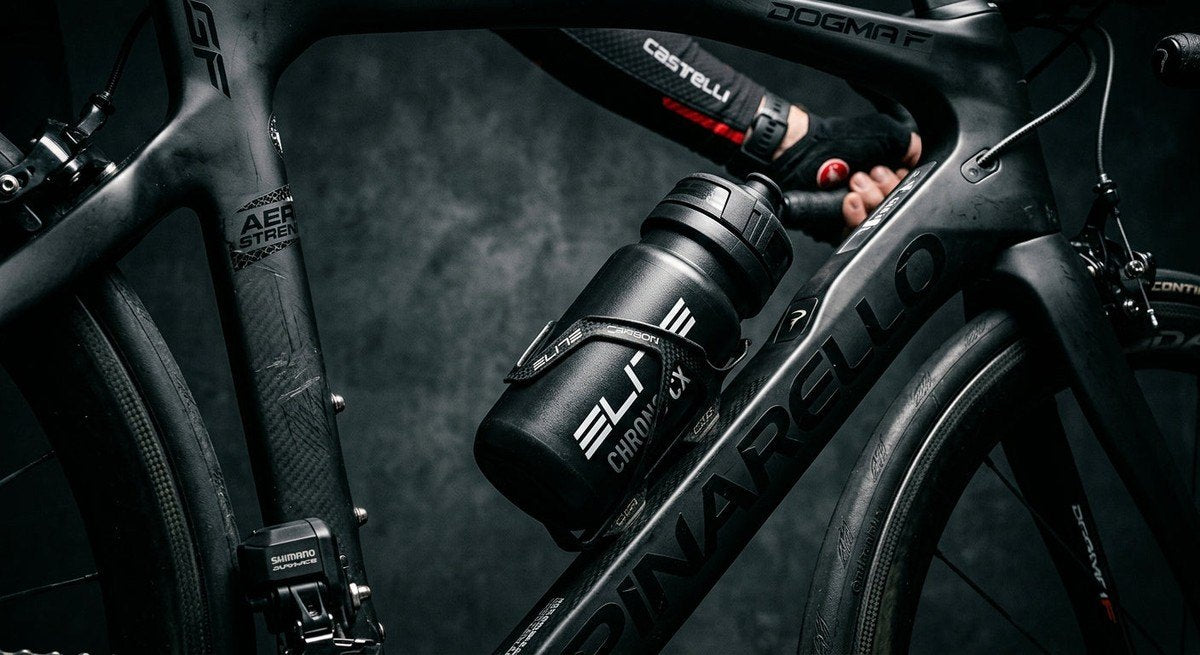
While the total caloric intake remains the primary driver of performance, the efficiency of delivery dictates the peak power output an athlete can sustain. By utilising liquid-based hydration in aero bidons, cyclists can maintain a constant trickle of energy, avoiding the blood glucose spikes and subsequent crashes associated with infrequent, large intakes of solid food.
For time-trialists, the aerodynamic advantage of integrating nutrition into the frame itself is significant. Using custom frame bags allows for a seamless, drag-free nutrition strategy that keeps the body in the optimal position for extended periods, further enhancing the physiological return on investment.

Looking to shave time off your personal best?
Get immediate pacing strategies and interval workout ideas directly on-site for free. Try asking Raye: 'What is the best threshold session to help drop my 10K time?' Get instant pacing tips
Top 5 Core Features
- Optimised Gastric Emptying: Liquid and hydrogel formats minimise mechanical churning requirements.
- Dual-Source Oxidation: Utilising glucose and fructose transporters to maximise absorption rates above 90g per hour.
- Aerodynamic Integration: Using aero bidons and frame bags to maintain a low-drag profile while storing nutrition.
- Reduced GI Distress: Lower osmotic pressure in hydrogel formulations prevents the common side effects of concentrated sugar intake.
- Sustained Blood Glucose: Steady-state delivery prevents the insulin fluctuations caused by rapid-digestion solid snacks.
Other Benefits
Beyond raw oxidation rates, the choice of delivery method affects the athlete's overall comfort. A well-managed nutrition plan reduces the systemic inflammation often caused by severe gastrointestinal stress during long-duration cycling. When the gut is settled, the athlete can focus entirely on power output rather than managing discomfort.
Furthermore, the convenience of liquid delivery systems allows for better focus on technical handling and pacing. Fumbling with wrappers in a high-speed descent is a risk that modern aero-integrated hydration systems effectively eliminate. By prioritising liquid and gel formats, cyclists can maintain their grip on the handlebars, keeping their centre of mass stable.
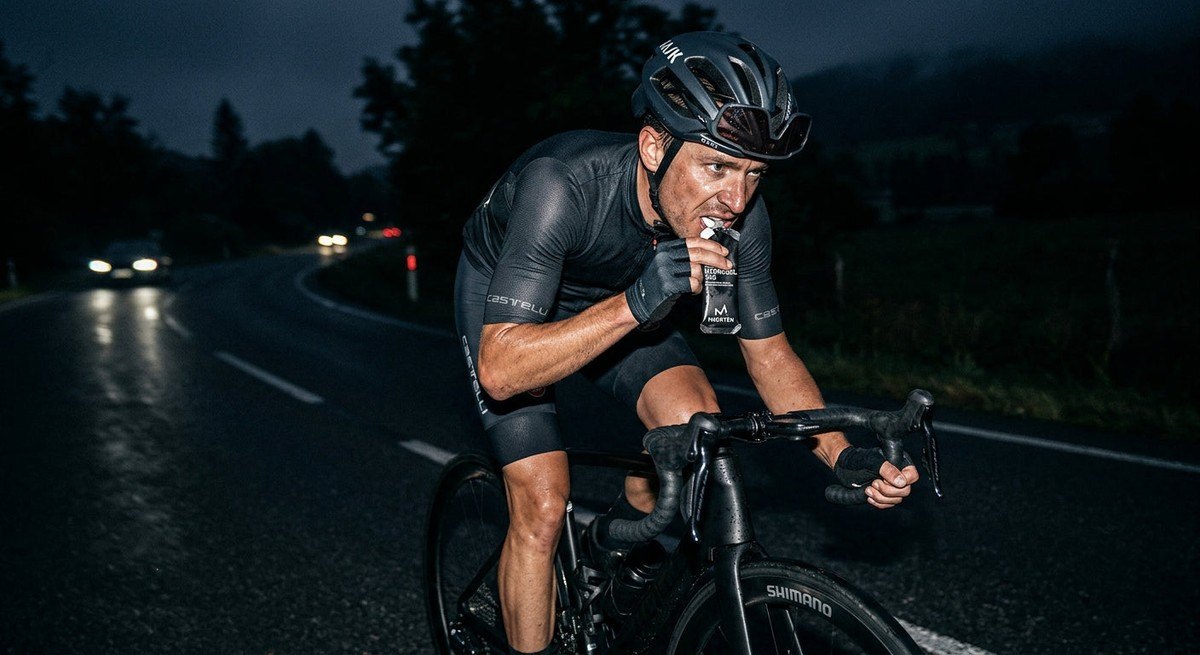
The integration of these systems into modern road cycling kit and equipment also facilitates better pacing. By knowing exactly how many millilitres of fuel are consumed per kilometre, an athlete can refine their race-day strategy with mathematical precision. This data-driven approach is what separates the podium finishers from the field.
Ultimately, the objective is to create a seamless interface between the nutritional substrate and the metabolic demand. Whether you are racing a 40km time trial or a 200km classic, the goal is consistent, rapid energy availability. By leveraging liquid and hydrogel technologies, you provide your muscles with the exact fuel they require, precisely when they need it.
The future of cycling performance lies in this synthesis of high-performance materials and advanced metabolic science. As we continue to push the boundaries of human endurance, the refinement of these delivery systems will remain a cornerstone of professional cycling success. Ensure your setup is optimised, your hydration is balanced, and your strategy is rooted in the latest evidence.


