

Glycerol Hyperhydration: Pre-Loading Protocols for Extreme Heat Racing


Need performance advice right now?
Ask our on-site coach anything about your routines. It's completely free and available immediately right here: 'What are 3 quick exercises for ankle mobility?' Ask Raye for free
The Science of Osmotic Fluid Retention
For marathoners and triathletes operating in extreme heat, the primary physiological barrier is not merely glycogen depletion, but the catastrophic loss of plasma volume. When core temperatures rise, the body prioritises blood flow to the skin for cooling, which eventually compromises cardiac output and oxygen delivery to working muscles. Glycerol, a simple sugar alcohol, has emerged as a potent ergogenic aid capable of altering this trajectory through osmotic pressure.
When ingested alongside significant quantities of water, glycerol acts as an osmotic agent. It is rapidly absorbed into the bloodstream and distributed throughout the intracellular and extracellular fluid compartments. Once inside these spaces, it increases the osmotic gradient, effectively pulling water into the tissues and the vascular system. This creates a state of hyperhydration that would be impossible to achieve through plain water consumption alone, as the kidneys would typically filter excess fluids as urine.
The clinical efficacy of this protocol is well-documented in sports science literature. Studies demonstrate that glycerol-induced hyperhydration can expand plasma volume by up to 500-700 millilitres. For an endurance athlete, this represents a significant reservoir that delays the onset of cardiovascular drift—the phenomenon where heart rate climbs while power output stays constant due to reduced stroke volume. By maintaining a larger plasma volume, the athlete can sustain higher intensities for longer durations even under severe thermal stress.
How much improvement can I expect?
The performance benefits are measurable and significant, particularly in events exceeding two hours in high-heat, high-humidity environments. Research indicates that glycerol pre-loading can reduce the physiological strain index, effectively lowering the heart rate by five to ten beats per minute compared to control groups who hydrated with water alone. This reduction in cardiac strain allows the athlete to maintain a higher pace without crossing their lactate threshold prematurely.
Furthermore, the increased total body water content serves as a larger heat sink. By carrying more fluid, the body can support a higher sweat rate for an extended period, which is essential for thermoregulation in tropical or summer racing conditions. Athletes can typically expect a delay in the onset of thermal fatigue, allowing for a more sustained output during the latter stages of a race when competitors are often forced to slow down due to overheating.

Need a clear race fuelling strategy?
Get instant, practical advice on hydration and race-day nutrition directly on this page for free. Try asking Raye: 'How many grams of carbs should I take per hour during a half marathon?' Ask for fuelling advice
Precision Dosage Protocols
To achieve these results, the protocol must be executed with surgical precision. The current gold standard for athletes is a dosage of 1.2 to 1.5 grams of glycerol per kilogram of body mass. This should be consumed with approximately 20 to 25 millilitres of water per kilogram of body mass. This ratio is critical; insufficient fluid intake can lead to hyperosmolarity and gastrointestinal distress, negating any performance gain.
The timing of the intake is equally vital. The loading phase should commence approximately 90 to 120 minutes prior to the start of the event. This window allows the glycerol to be fully absorbed and the osmotic effect to reach its peak before the gun fires. Athletes should test this protocol during training sessions, perhaps while wearing a summer cycling jersey or testing different handheld bottles, to ensure their gut tolerates the hypertonic solution during high-intensity efforts.
Top 5 Core Features
- Plasma Volume Expansion: Increases blood volume to maintain cardiac output and cooling efficiency.
- Osmotic Retention: Reduces urine production by holding water in the intracellular spaces for longer durations.
- Thermal Regulation: Provides a larger fluid reservoir to support sustained sweat rates in high-heat environments.
- Delayed Fatigue: Lowers sub-maximal heart rate, preserving glycogen stores and delaying the onset of heat-induced exhaustion.
- Optimised Recovery: Facilitates better fluid balance post-exertion, assisting in faster rehydration and muscle repair.
Other Benefits
Beyond the immediate performance metrics, glycerol hyperhydration offers secondary benefits that are often overlooked. By mitigating the drop in plasma volume, athletes experience less significant fluctuations in blood viscosity, which may assist in maintaining optimal micro-circulation to muscle fibres. This can reduce the perception of effort, making the physical act of racing feel less taxing at the same relative intensity.
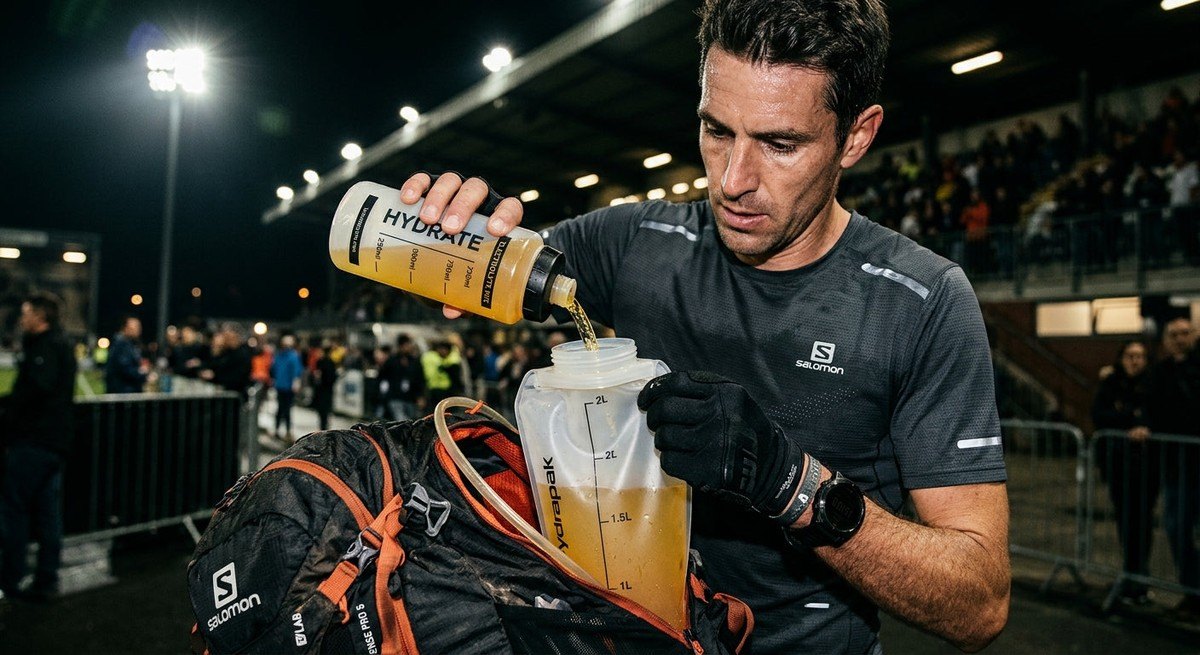
Additionally, for athletes using hydration bladders or sophisticated nutrition systems, glycerol acts as an effective carrier. It does not interfere with the absorption of electrolytes or carbohydrates when formulated correctly. This allows for a comprehensive strategy where the athlete addresses fluid retention, fuel, and electrolyte balance simultaneously, providing a holistic edge in the most demanding conditions.

It is important to note that quality matters. When selecting a glycerol supplement, look for pharmaceutical-grade purity to avoid additives that could cause gastric upset. The goal is to create a seamless internal environment that supports peak performance, not one that introduces variables that could disrupt the digestive system during a race.
Ultimately, glycerol is not a substitute for proper training or heat acclimation, but rather a force multiplier. When combined with a robust training programme, it provides the physiological headspace required to push harder and longer. Whether you are a marathon runner facing a mid-summer race or a triathlete navigating a humid bike course, the intelligent application of osmotic agents could be the difference between hitting a personal best and succumbing to the elements.


