

Cold-Weather Fueling Science: Shivering Thermogenesis and Elevated Carbohydrate Utilization Rates


Need performance advice right now?
Ask our on-site coach anything about your routines. It's completely free and available immediately right here: 'What are 3 quick exercises for ankle mobility?' Ask Raye for free
The Metabolic Cost of Sub-Zero Environments
When the mercury drops, the human body undergoes a sophisticated physiological transformation to maintain core temperature. For the winter runner, cross-country skier, or gravel cyclist, the environmental stress of sub-zero conditions is not merely a matter of discomfort; it is a profound alteration of metabolic demand. As the body fights to prevent hypothermia, the autonomic nervous system initiates a series of thermoregulatory responses that fundamentally change how you burn fuel.
The primary driver of this increased metabolic load is thermogenesis. While non-shivering thermogenesis via brown adipose tissue plays a role, the most significant factor during high-intensity winter training is shivering thermogenesis. This involuntary muscle contraction requires substantial energy, placing an immediate and heavy tax on your glycogen stores. Essentially, your body is burning fuel simply to stay warm before you even consider the energy required for propulsion.
Research indicates that carbohydrate oxidation rates can increase by up to 30% in cold conditions compared to temperate environments. This accelerated depletion of muscle glycogen means that your typical fueling strategy for a spring marathon or summer ride will likely be insufficient for winter training. Without adequate intake, athletes face premature 'bonking' as the body prioritises thermal regulation over athletic output.
How much improvement can I expect?
By shifting your fueling strategy to accommodate these elevated utilisation rates, you can expect a significant improvement in sustained intensity and recovery. Athletes who proactively manage their carbohydrate intake—targeting 60 to 90 grams per hour—often report an increase in power output consistency during the final phases of long winter training sessions. By bridging the gap created by thermogenesis, you avoid the performance decay typically associated with glycogen depletion.
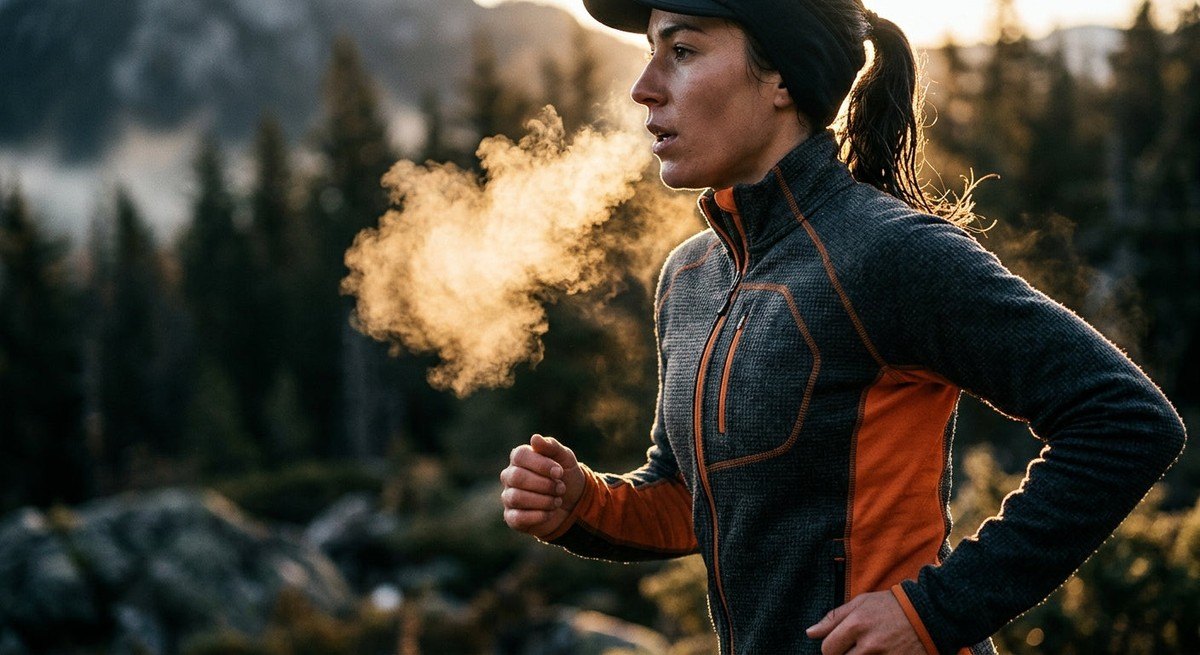
Furthermore, managing your internal temperature through high-performance apparel is essential. Utilising thermal winter cycling jackets and moisture-wicking long-sleeve running shirts helps maintain a stable microclimate, reducing the necessity for intense shivering. When your gear effectively regulates heat, your body can direct more energy toward mechanical work rather than thermal maintenance, leading to measurable gains in training efficiency and endurance duration.
Top 5 Core Features
- Enhanced Glycogen Sparing: Strategic thermal insulation reduces the caloric tax of shivering thermogenesis.
- Optimised Fueling Windows: Precise carbohydrate intake schedules to counteract accelerated oxidation rates.
- Moisture Management Systems: High-performance base layers that prevent evaporative cooling and maintain thermal equilibrium.
- Temperature-Stable Nutrition: Using insulated storage to prevent gels and solid foods from freezing, ensuring consistent digestion.
- Ergonomic Thermal Protection: Specialist gloves and jackets that allow for full range of motion while trapping core heat.
Other Benefits
Beyond the immediate performance metrics, understanding cold-weather physiology offers secondary benefits. Properly fueled training in the cold can improve metabolic flexibility. By ensuring your body has the exogenous fuel required to manage thermal stress, you protect your endocrine system from the hormonal spikes associated with extreme energy deficits. This leads to better long-term adaptation and reduced physiological strain.

Need a clear race fuelling strategy?
Get instant, practical advice on hydration and race-day nutrition directly on this page for free. Try asking Raye: 'How many grams of carbs should I take per hour during a half marathon?' Ask for fuelling advice
Temperature management is the final piece of the puzzle. When you invest in high-quality thermal cycling jackets or technical gloves, you are not just buying comfort; you are buying the ability to train at higher intensities for longer. These items help maintain blood flow to the extremities, preventing the peripheral vasoconstriction that often precedes fatigue. When your hands and core are warm, your cognitive focus remains sharp, allowing for better technique and safer navigation on icy terrain.
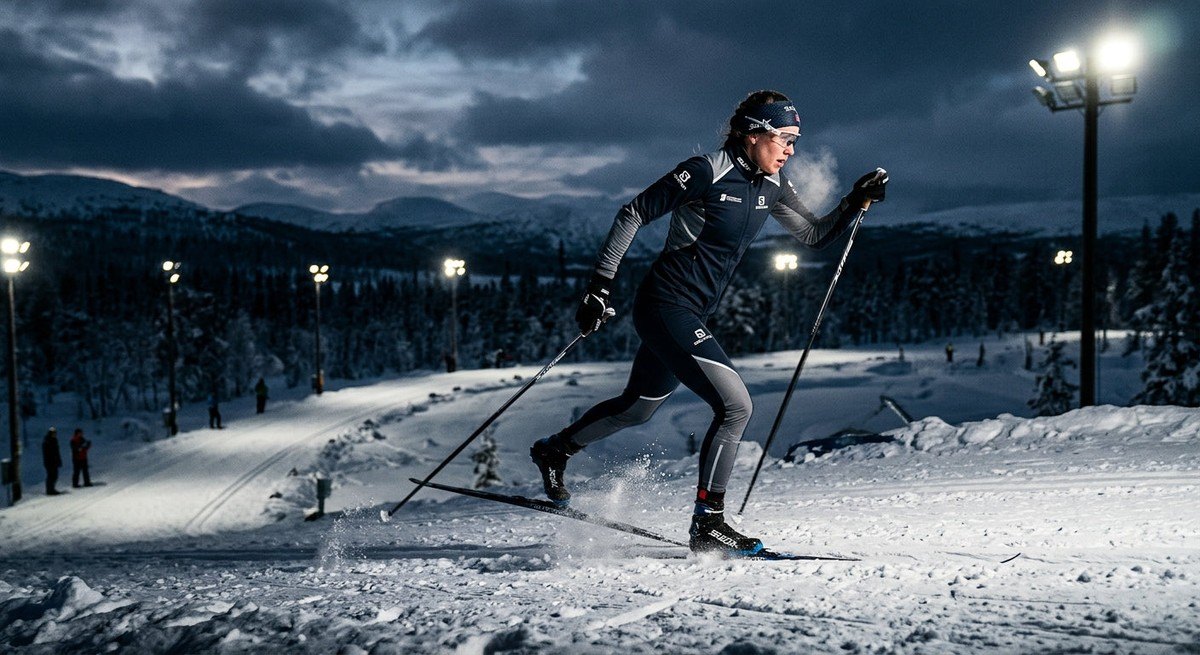
The integration of solid food temperature management is often overlooked. Consuming frozen energy bars can lead to gastrointestinal distress or delayed gastric emptying. By storing your nutrition close to your body—utilising pockets in your thermal running shirts—you ensure that your fuel reaches your digestive system at a manageable temperature. This simple tactical adjustment facilitates faster absorption, ensuring that your muscles receive the glucose they need exactly when the metabolic demand is highest.
Ultimately, the synthesis of advanced apparel and precise nutritional timing transforms the cold from an obstacle into a training advantage. By respecting the increased carbohydrate utilization rates and protecting your core through sophisticated layering, you can sustain peak performance throughout the winter months. The athletes who thrive in the off-season are those who treat their metabolism as a dynamic system, constantly balancing thermal regulation with the intense demands of their sport.
As you approach your next sub-zero session, remember that your body is working harder than you realise. By providing the fuel it craves and the protection it needs, you ensure that every kilometre covered is a step forward in your athletic development, regardless of how far the thermometer drops.


