

The Role of Caffeine in 5K and 10K Race Performance


Want to build strength to support your running?
Get targeted strength routines and mobility exercises designed specifically for runners directly on-site. Try asking Raye: 'What are 3 key gym exercises to improve running economy?' Get strength tips
The Science of Stimulation
For decades, distance runners have utilised caffeine as a primary ergogenic aid to push beyond the threshold of fatigue. At its core, caffeine acts as a central nervous system stimulant, primarily by antagonising adenosine receptors. Adenosine is a neurotransmitter that promotes relaxation and sleepiness; by blocking these receptors, caffeine prevents the brain from registering the full intensity of physical exertion, effectively delaying the onset of exhaustion during high-intensity efforts like 5K and 10K races.
Beyond its neurological impact, caffeine enhances performance through metabolic pathways. It increases the mobilisation of free fatty acids from adipose tissue, which can help spare muscle glycogen stores. For the 10K runner, this glycogen-sparing effect is pivotal, as it allows for sustained power output during the final, gruelling kilometres of the race when energy reserves typically wane.
The efficacy of caffeine is heavily supported by clinical literature. Research indicates that caffeine supplementation can improve endurance capacity and decrease the perception of effort, known as the Rate of Perceived Exertion (RPE). By lowering the RPE, runners can maintain a higher pace for a longer duration without feeling the cumulative strain of the effort.
How much improvement can I expect?
The performance gains associated with caffeine are nuanced but measurable. Studies suggest that doses between 3mg and 6mg per kilogram of body mass are optimal for most athletes. For a 70kg runner, this equates to roughly 210mg to 420mg of caffeine, consumed approximately 45 to 60 minutes before the starting gun.
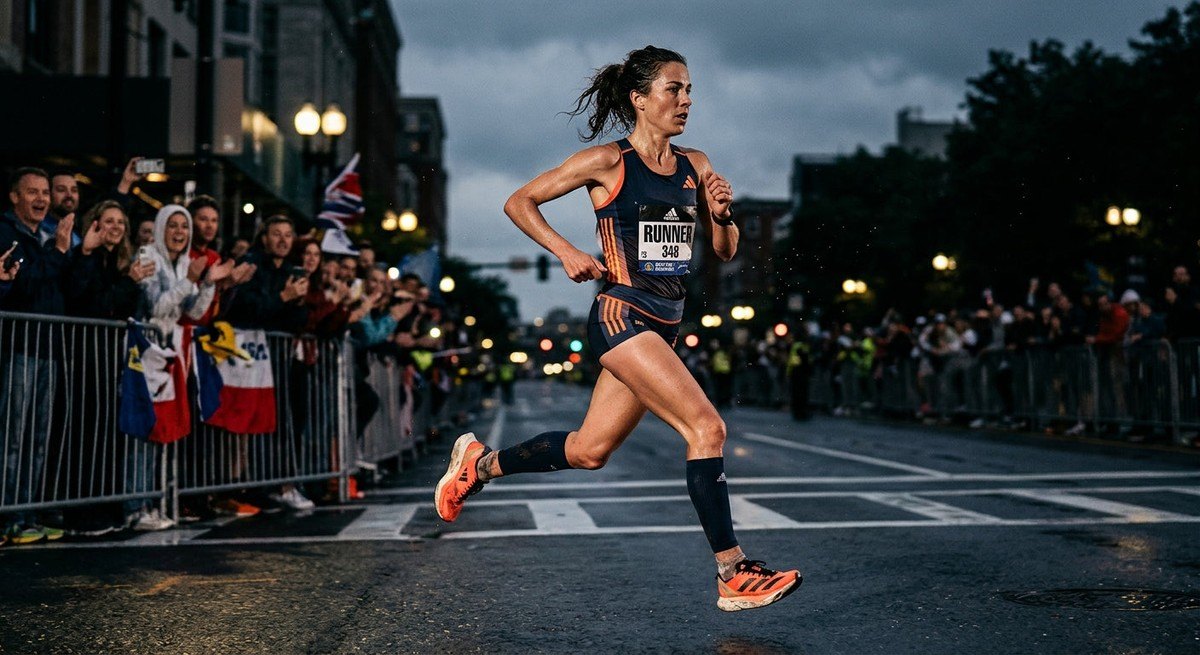
In the context of a 5K race, where speed is the dominant factor, caffeine can improve finish times by approximately 1 to 3 percent. While this may sound marginal, in a competitive field, such a margin is the difference between a personal best and a mid-pack finish. The ergogenic effect is most pronounced in athletes who do not consume high volumes of caffeine daily, as regular habituation may reduce the sensitivity of the adenosine receptors.
It is important to note that performance improvements are individual. Factors such as genetic variations in the CYP1A2 enzyme, which metabolises caffeine, play a significant role. Some runners may experience rapid metabolisation and heightened alertness, while others might encounter gastrointestinal distress. Testing your protocol during training sessions is non-negotiable before attempting it on race day.
Top 5 Core Features
- Adenosine Receptor Antagonism: Effectively masks fatigue signals in the brain to sustain high intensity.
- Glycogen Sparing: Encourages the body to utilise fat stores, preserving carbohydrate energy for the final sprint.
- Enhanced Neuromuscular Recruitment: Improves the firing rate of motor units, leading to better power output.
- Reduced Perceived Exertion: Makes a gruelling pace feel more manageable, assisting in mental resilience.
- Precision Dosage Flexibility: Available in diverse formats such as energy chews, gels, and sports coffees to suit individual timing needs.
Other Benefits
Beyond raw speed, caffeine offers significant cognitive benefits. Racing requires intense focus and the ability to maintain proper form under extreme physiological stress. Caffeine sharpens cognitive function, allowing runners to remain aware of their pacing strategy and surroundings. This mental clarity is essential for tactical racing, where split-second decisions regarding when to surge or tuck in behind a pack can determine the outcome.

Have a specific performance goal in mind?
Get direct feedback on your training targets right here on the page—no sign-up or account required. Try asking Raye: 'How should I adjust my weekly mileage for a sub-20 minute 5K?' Ask about your goals

Furthermore, caffeine has been shown to assist in post-race recovery when combined with carbohydrates. Research indicates that the combination of caffeine and carbs can accelerate the rate of muscle glycogen resynthesis compared to carbohydrates alone. This is particularly advantageous for runners participating in multi-day events or those who need to return to high-intensity training shortly after a race.
When selecting your source of caffeine, prioritise quality formulations. Sports coffees, caffeinated energy chews, and pre-workout supplements offer different delivery speeds. Energy chews provide a rapid glucose spike alongside caffeine, which is ideal for mid-race replenishment, whereas a targeted pre-workout dose prior to the start ensures a sustained release for the duration of the effort. Always check labels for extraneous fillers that might cause digestive issues.
Ultimately, the role of caffeine in 5K and 10K performance is one of optimisation. It is not a replacement for a structured training programme or proper nutrition, but rather a catalyst that allows you to express your true fitness on the day that matters most. By understanding the mechanism and respecting the dosage, you can turn caffeine into a reliable weapon in your running arsenal.


