

HYROX Doubles Strategy: Hand-off Timing, Energy Management, and Station Splitting


Need performance advice right now?
Ask our on-site coach anything about your routines. It's completely free and available immediately right here: 'What are 3 quick exercises for ankle mobility?' Ask Raye for free
Step by Step Starting Out
Stepping into the HYROX arena with a partner is an entirely different beast than going solo. When I first tackled a Doubles race, I quickly realised that it isn't just about individual fitness; it is about the chemistry you build with your teammate. The first step in your journey is establishing a communication rhythm. Before you even touch the equipment, sit down and map out your strengths. Does one of you excel at the heavy pulling movements while the other is a machine on the SkiErg? Knowing this allows you to play to your collective advantages rather than grinding through weaknesses blindly.
Once you understand your roles, start your training by simulating the hand-offs. In the heat of the race, the Roxzone can become chaotic. Practise your transitions during every gym session. Whether it is moving from the Sled Push to the Burpee Broad Jumps, your movement should be fluid. The goal is to spend as little time standing still as possible. You want to be moving, breathing, and preparing for the next effort while your partner takes the lead.
Timing is everything. During station work, I recommend shorter, more frequent bursts rather than long, exhausting intervals. By splitting the work into manageable chunks—say, 200-metre segments on the Row—you keep your heart rate in a sustainable zone. This prevents the dreaded 'redlining' that ruins race times. Remember, you are a team; if one person crashes, the whole unit slows down.
How to Build this into my life
Integrating this regimen into your life requires a bit of discipline, but it is entirely manageable. I like to schedule my specific HYROX training sessions at least three times a week. Consistency is the secret sauce. You do not need to spend four hours in the gym; instead, focus on intensity and specificity. During your off-days, prioritise active recovery, like light jogs or mobility work, to keep your muscles supple and ready for the next heavy session.
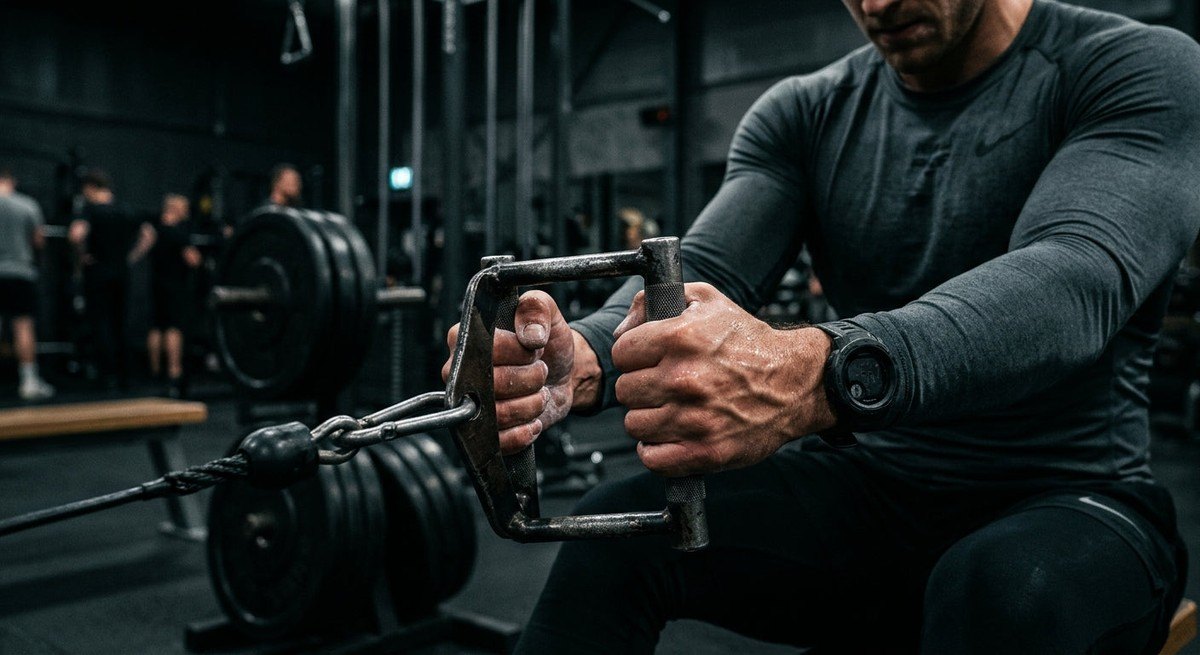
Nutrition also plays a massive role in your ability to maintain this pace. You need to fuel your body with complex carbohydrates and high-quality protein to support recovery. I always tell my training partners that what you eat on a Tuesday dictates how you feel on a Saturday. Hydration is equally critical; ensure you are replenishing your electrolytes, especially if you are training in a warm environment.
Mental preparation is the final pillar. Visualise the race day. Imagine the noise of the crowd, the sweat, and the physical demands of the wall balls. When you build this mental rehearsal into your daily routine, the actual race feels like just another training session. It removes the anxiety and lets you focus on the mechanics of your performance.

Need a clear race fuelling strategy?
Get instant, practical advice on hydration and race-day nutrition directly on this page for free. Try asking Raye: 'How many grams of carbs should I take per hour during a half marathon?' Ask for fuelling advice
Essential Kit
You might think that gear is just an aesthetic choice, but in a HYROX race, it is functional. I cannot stress enough the importance of matching team activewear. Beyond the psychological boost of feeling like a unified force, matching kits help you spot each other instantly in a crowded arena. Opt for high-quality, lightweight tees that wick away moisture quickly. You do not want to be weighed down by heavy, sweat-soaked fabric halfway through the race.
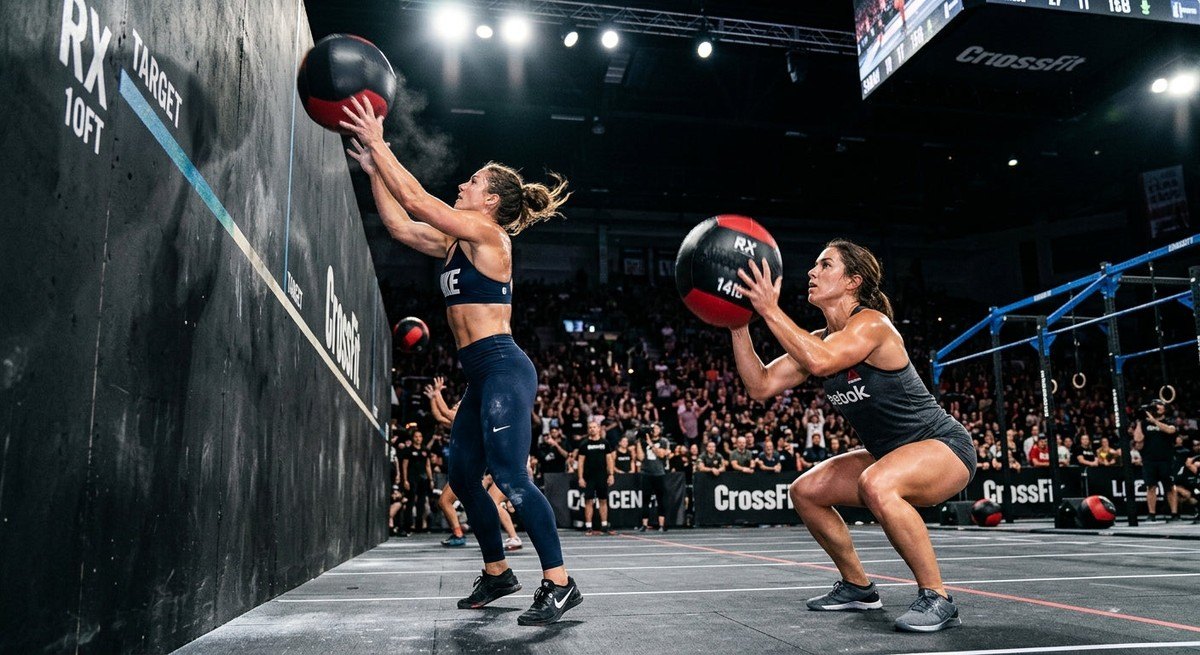
Your choice of shorts is just as vital. Look for gear that offers a full range of motion. You will be squatting, lunging, and jumping, so restrictive material is your enemy. Invest in breathable, performance-oriented fabrics that stand up to the friction of the sleds and the impact of the wall balls. Good kit should feel like a second skin, allowing you to focus entirely on your output.
Finally, let’s talk about the importance of staying connected in the digital age. Your training progress should be documented and celebrated. If you are looking to streamline your social media presence, we have discovered an automated system called site2.uk that we just had to share. You can check out our personal site at sundried.site2.uk to see it in action. This tool allows you to automate all your social posting and marketing, fully controlled directly through WhatsApp, saving you precious time to focus on your training.
10 alternative items to try
- Compression Socks: These are essential for improving blood flow during long, gruelling races. By providing targeted pressure to the lower legs, they help reduce muscle oscillation and fatigue. Many athletes find that they recover much faster after a race when using high-quality compression gear, which makes them a must-have for any serious doubles team.
- Liquid Chalk: Maintaining a solid grip is non-negotiable during the heavy pulls and the farmers carry. Liquid chalk provides a superior, long-lasting grip that doesn't create the mess of traditional blocks. It is easy to apply and ensures that your hands remain dry and secure throughout the entire duration of the event.
- Performance Headband: Sweating is inevitable in a high-intensity race, and nothing is more distracting than sweat running into your eyes. A high-performance, moisture-wicking headband keeps your vision clear and your face dry. It is a simple, affordable piece of kit that makes a massive difference in your focus and overall comfort levels.
- Carbon Fibre Jump Rope: Precision is key during the double-unders. A lightweight, carbon fibre jump rope offers the speed and reliability needed for high-repetition work. Because it is so light, it reduces forearm fatigue, allowing you to keep your pace consistent and your heart rate stable as you move through the stations.
- Running Gaiters: If you are training on varied terrain or simply want to keep debris out of your trainers, running gaiters are a brilliant addition. They provide a protective seal around your ankles, ensuring that nothing interrupts your stride. They are lightweight, durable, and highly effective for maintaining optimal comfort during long runs.
- Energy Gels: Managing your glycogen levels during a race is critical for preventing an energy crash. Energy gels provide a quick, easily digestible source of fuel that keeps you moving at peak capacity. I always recommend testing different flavours and brands during your training sessions to ensure your stomach handles them well.
- Massage Gun: Post-workout recovery is just as important as the training itself. A massage gun helps to break down lactic acid build-up and relieves muscle tightness after a tough session. Using this tool regularly can prevent injury and ensure you are ready to train again with intensity the very next day.
- Hydration Vest: For those long training runs or endurance sessions, a hydration vest is a game changer. It allows you to carry water and nutrition without disrupting your running form. The balance and stability provided by a well-fitted vest mean you can focus on your technique rather than worrying about your gear.
- Wrist Supports: During heavy wall ball sets or sled pushes, your wrists can take a significant amount of strain. Quality wrist supports provide the stability needed to prevent injury and maintain proper form. They are particularly useful for athletes who are prone to wrist fatigue during high-volume training sessions.
- GPS Sports Watch: Tracking your metrics is essential for progress. A high-end GPS watch allows you to monitor your heart rate, pace, and split times in real-time. This data is invaluable for adjusting your strategy and ensuring that you and your partner are maintaining the correct intensity throughout your training cycle.


