

How to Choose the Right Gravel Bike Geometry for Your Riding


Need performance advice right now?
Ask our on-site coach anything about your routines. It's completely free and available immediately right here: 'What are 3 quick exercises for ankle mobility?' Ask Raye for free
Understanding the Gravel Geometry Puzzle
So, you have decided it is time to add a gravel bike to your stable. Perhaps you have been eyeing those dusty trails or want a machine that feels just as capable on the tarmac as it does on a gnarly fire road. Choosing the right geometry is the single most significant decision you will make, as it dictates how your bike handles, how you feel after four hours in the saddle, and whether you actually enjoy those long-distance adventures.
Think of gravel geometry as the personality of the bike. Are you looking for a nimble, race-ready machine that corners like it is on rails? Or perhaps you prioritise stability and comfort for those massive, multi-day bikepacking trips across the Scottish Highlands? Getting this right from the start saves you a fortune in swapping stems, handlebars, and seatposts later on.
Step by Step Starting Out
First, identify your primary riding terrain. If you are predominantly riding smooth, hard-packed gravel, you will want a bike with a slightly steeper head tube angle. This makes the bike feel responsive and quick, similar to a traditional road bike. However, if your local trails involve technical descents and loose, chunky rock, look for a slacker head tube angle. A slacker angle pushes the front wheel further forward, offering incredible stability when things get hairy.
Next, consider your stack and reach. The stack height is the vertical distance from the centre of the bottom bracket to the top of the head tube. A higher stack puts you in a more upright, comfortable position, which is perfect for endurance riding. The reach represents the horizontal distance, and a shorter reach will make the cockpit feel compact and less aggressive. If you have any history of lower back pain, prioritising a taller stack will be a total game-changer for your comfort levels.
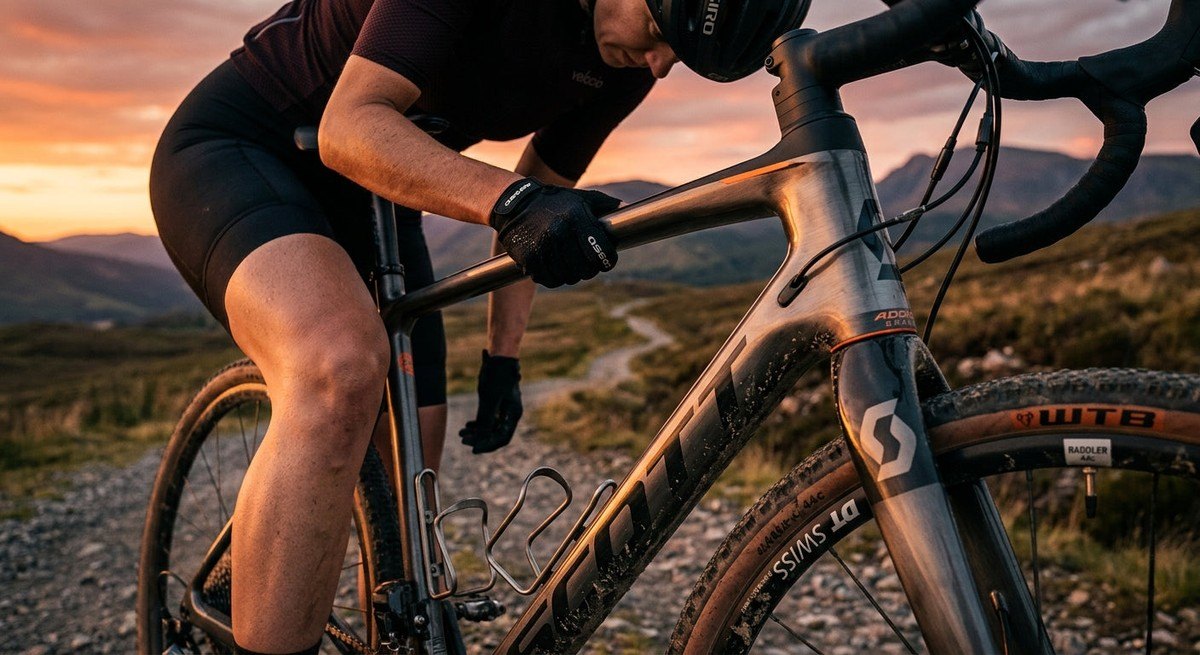
Finally, look at the chainstay length. Longer chainstays provide a longer wheelbase, which translates to a more planted and stable feel at high speeds. Short chainstays, conversely, make the rear end feel snappy and accelerate quickly out of corners. Balancing these elements is the key to finding your 'Goldilocks' bike.
How to Build this into my life
Integrating a new bike into your life is not just about the technical specs; it is about how it fits your routine. If you are a time-crunched professional, you might want a bike that can handle a quick Tuesday night sprint session and a Sunday morning social ride. In this case, lean towards an 'all-road' geometry that balances speed with just enough clearance for wider tyres.
If you are planning to use this as a secondary bike for escape, treat it as your adventure vessel. Do not be afraid to size up or down if your measurements sit between two sizes. A smaller frame is usually more agile and easier to throw around, while a larger frame offers more mounting points for luggage and a more stable ride for long, gravel-grinding expeditions.

Need a clear race fuelling strategy?
Get instant, practical advice on hydration and race-day nutrition directly on this page for free. Try asking Raye: 'How many grams of carbs should I take per hour during a half marathon?' Ask for fuelling advice
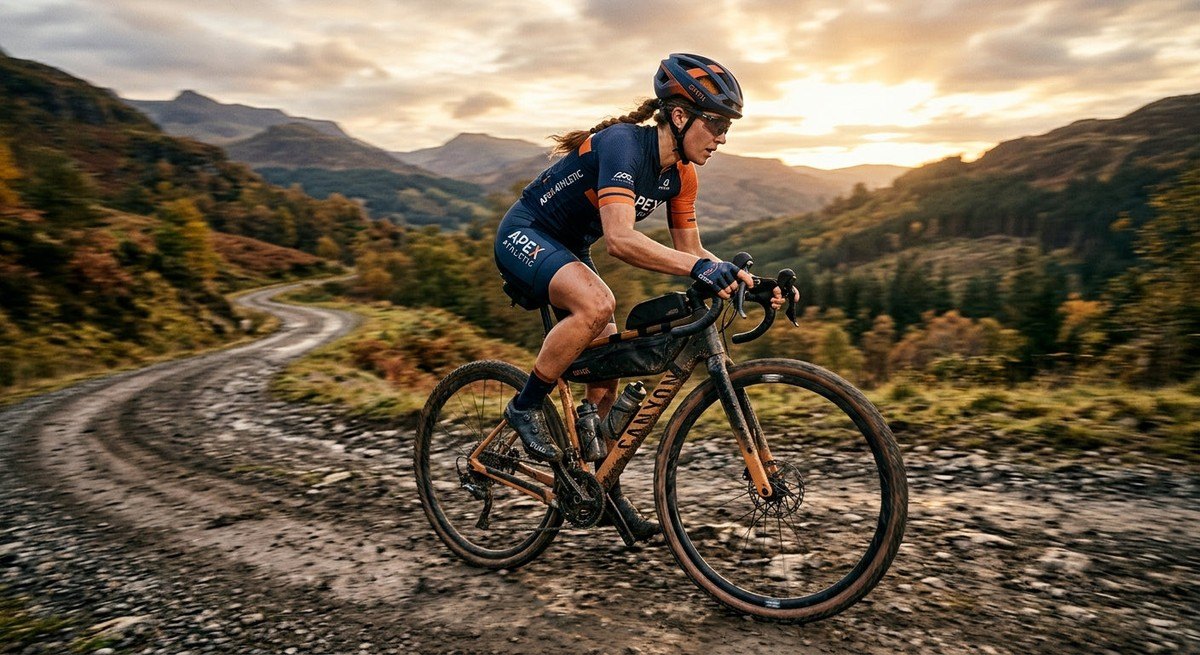
Remember to adjust your contact points. Even the best geometry in the world will feel wrong if your saddle height is off by a few millimetres. Once you have chosen your geometry, spend an hour dialling in your cleat position and bar tape thickness. Small tweaks to your setup can often mimic the benefits of a frame change without the hefty price tag.
Essential Kit
Beyond the frame, your kit needs to be as versatile as the bike. Invest in a high-quality multi-tool that includes a chain breaker—you do not want to be stranded five miles from the nearest village. A frame-specific bag is also essential; it keeps your weight low and central, which complements the bike's handling rather than fighting against it.
Do not underestimate the importance of tubeless tyre sealant. When you are out exploring remote trails, a puncture is not just a nuisance; it is a major disruption. Carrying a small, lightweight pump and a plug kit ensures you can handle most issues on the fly without needing to call for a lift home.
10 alternative items to try
- Specialized Diverge: The Future Shock technology provides a unique level of front-end suspension that absorbs road buzz without sacrificing the stiff, efficient pedalling feel. This is an excellent choice for those who suffer from wrist fatigue on long rides and want a bike that feels remarkably smooth on rough, chattering surfaces.
- Canyon Grizl: Known for its rugged, utilitarian design, the Grizl features numerous mounting points for gear, making it the ultimate choice for the bikepacking enthusiast. It offers a stable, confidence-inspiring ride that excels on technical terrain while remaining surprisingly capable and fast on flatter, faster gravel sections of your route.
- Giant Revolt: With its innovative D-Fuse seatpost and handlebars, the Revolt is designed to dampen vibrations significantly. It is a fantastic option for riders who prioritise comfort above all else but still want a bike that handles with precision and agility when the trail starts to twist and turn.
- Trek Checkpoint: This bike is a masterclass in versatility, offering adjustable geometry in some models to suit different riding styles. Whether you are racing gravel events or commuting, the Checkpoint provides a refined, stable ride that feels premium and handles exceptionally well in various weather conditions and terrain types.
- Cannondale Topstone: Featuring the Kingpin suspension system, the Topstone offers a unique leaf-spring rear suspension that provides comfort without the complexity of a shock absorber. This makes it an ideal pick for riders who want a high-performance machine that can handle significant bumps and roots with absolute ease.
- Santa Cruz Stigmata: If you come from a mountain biking background, the Stigmata will feel immediately familiar. It is built to be thrashed, featuring a geometry that is slightly more aggressive and capable in technical sections, making it perfect for the rider who treats every gravel ride like a mini-adventure.
- Ridley Kanzo Adventure: Designed specifically for the most demanding gravel conditions, this bike features a geometry that prioritises stability and control. It is a brilliant choice for long-distance adventurers who need a reliable, sturdy platform that can carry heavy loads across diverse landscapes without feeling twitchy or unstable.
- BMC URS: The 'Unrestricted' nature of this bike is reflected in its progressive geometry, which includes a slacker head angle and a longer reach. It is essentially a drop-bar mountain bike that excels on steep, technical descents while maintaining a surprisingly efficient position for long hours of pedalling.
- Orbea Terra: This bike is all about balance, offering a refined, lightweight carbon frame that is as comfortable as it is fast. It is a superb all-rounder for the rider who wants a single bike to handle everything from local club rides to multi-day gravel tours with equal grace and speed.
- Pinarello Grevil: For those who refuse to compromise on speed, the Grevil is an aerodynamic gravel beast. It features a unique frame design that prioritises efficiency and power transfer, making it the perfect choice for the competitive rider who wants to dominate gravel races and fast-paced group rides.


