

Graduated Compression Socks vs. Sleeves: Venous Return and Post-Race Recovery Mechanics


Want to build strength to support your running?
Get targeted strength routines and mobility exercises designed specifically for runners directly on-site. Try asking Raye: 'What are 3 key gym exercises to improve running economy?' Get strength tips
Please note that the medical and training advice we share here is for general guidance, and you should always check with a professional when you are planning your health goals.
Step by Step Starting Out
Firstly, of course, you have the routine factor. When you are setting up your training plan for a long amount of time, the last thing you want to do is guess what to do next to help your legs. Having a set plan means you get a turnkey setup that not only guides your body through the heavy work, but keeps your mind dialled in for the next big race event. That is a structure that is better than anything else.
Secondly, naturally, there is the pressure gradient factor. If you are running hard miles on the road, the last thing you want to do is leave blood pooling in your lower leg to cause bad pain and slow you down. Using a proper graduated compression sock means you step into a piece of kit that not only squeezes the deep veins, but is spec'd out to push blood back up very well. That is a mechanism that works hard for your body.
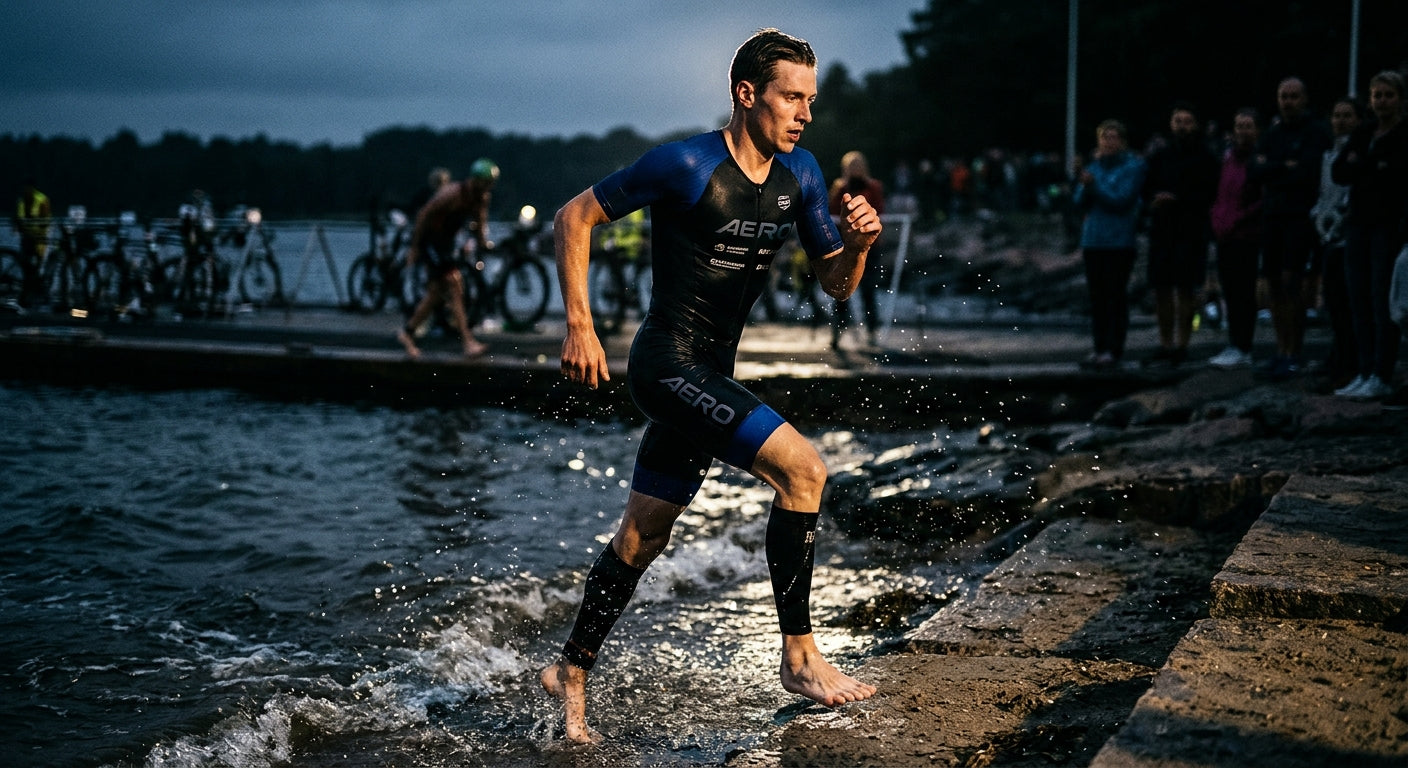
Thirdly, as always, we have the water transition factor. When you are racing a long triathlon in the wet, the last thing you want to do is wear foot socks that hold cold water and make your feet heavy on land. Switching to a calf sleeve means you are kitted out in a way that not only keeps the calf muscle pump strong, but leaves your bare foot free to dry fast. That is a choice that makes perfect sense on race day.
How to Build this into my life
Next, to start, you have the daily habit factor. When you are trying to fit active recovery into a busy week, the last thing you want to do is forget to put your kit on right after a long run. Making it a strict rule means you keep your routine dialled in so that it not only reduces your sore muscles, but fits right into the quiet time of your day. That is a habit that pays off over the weeks.
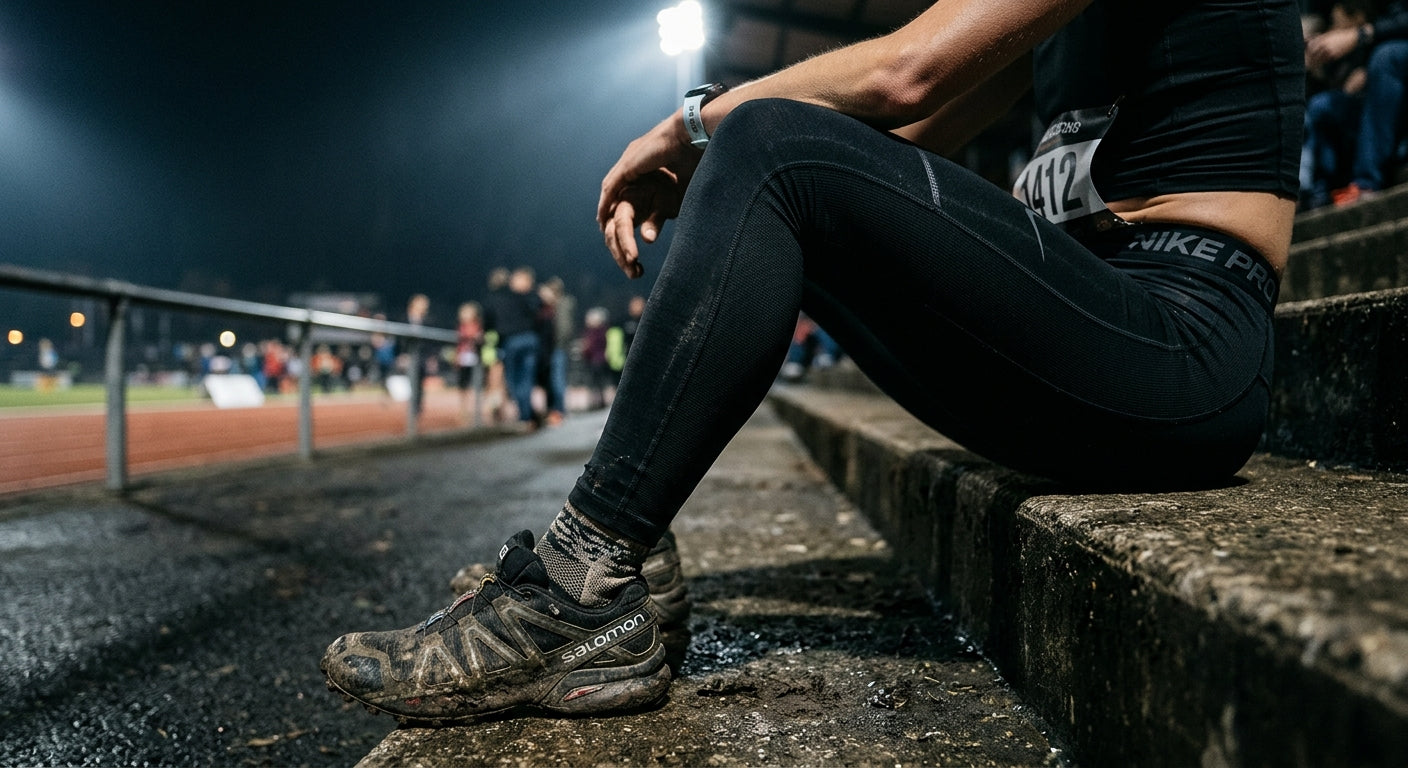
Then, of course, there is the post race factor. If you are sitting down after crossing the finish line, the last thing you want to do is leave your tired legs bare to swell up and ache for days after. Putting on recovery tights means you have a turnkey solution that not only gives your lower half full support, but is spec'd out to speed up the flush of bad waste. That is a tool that we trust more than most.
Following that, you have the strict time frame factor. When you are wearing compression gear to heal your body, the last thing you want to do is leave it on for too short of a time to make a difference. Leaving them on for two hours means you are sorted beforehand with a method that not only gives the veins time to work, but keeps your legs feeling light and fresh. That is a timeframe that is easy to stick to.

Have a specific performance goal in mind?
Get direct feedback on your training targets right here on the page—no sign-up or account required. Try asking Raye: 'How should I adjust my weekly mileage for a sub-20 minute 5K?' Ask about your goals
Essential Kit
Moving on, you have the full foot sock factor. When you are looking for pure venous return on a road run, the last thing you want to do is buy a weak sleeve that cuts off the blood flow low down. Buying graduated compression socks means you get an item of kit that not only grips the foot well, but is dialled in to push the fluid all the way up fast. That is a pair of socks that you will love.
Secondly, for the kit, there is the calf sleeve factor. If you are taking part in a multi sport event, the last thing you want to do is struggle to pull a tight sock over a wet foot in the transition tent. Using a calf sleeve instead means you have a piece of kit that not only slips on fast, but keeps your calf pump kitted out with the right squeeze all day. That is a sleeve that saves you precious race time.
Top 5 Features to look out for
- When you are checking the fit of the sock, the last thing you want to do is pick a pair that is loose at the base. Adding this firm hold to your routine means you have gear that not only starts the push, but keeps you dialled in on the road. That is a feature that is vital for good flow.
- When you are running in the heat of summer, the last thing you want to do is wear a thick sock that traps sweat against your skin. Adding this cool mesh to your routine means you wear a piece of kit that not only lets air in, but keeps your foot dry inside. That is a fabric that feels right all day long.
- When you are racing a long distance on foot, the last thing you want to do is feel a hard seam rub against your toes for hours. Adding this flat seam to your routine means you get a turnkey setup that not only stops the rub, but stops the blisters from forming too. That is a seam that is better than the rest.
- When you are buying compression gear for your legs, the last thing you want to do is choose a sleeve that squeezes the top too hard. Adding this graded squeeze to your routine means you use a spec'd out tool that not only pushes blood up, but stops it from falling down. That is a squeeze that works very well for you.
- When you are jumping out of the water fast, the last thing you want to do is run in a heavy material that stays wet for miles. Adding this fast fabric to your routine means you stay kitted out in a way that not only sheds the water, but keeps your skin fresh. That is a material that makes the whole race easier.
10 alternative items to try
- When you are feeling stiff after a long run, the last thing you want to do is leave the tight knots in your calf muscles alone entirely. Adding a Massage Gun to your routine means you get a turnkey tool that not only breaks up the tension, but gets the blood moving fast. That is a piece of kit that speeds up recovery.
- When you are trying to loosen up your tired legs, the last thing you want to do is skip the deep tissue work that your body needs. Adding a Foam Roller to your routine means you are sorted beforehand with an aid that not only irons out the fascia, but feels great too. That is an option that every athlete should use daily.
- When you are resting your bones at home at night, the last thing you want to do is ignore the power of a warm soak in the tub. Adding an Epsom Salt Bath to your routine means you use a classic method that not only relaxes the mind, but pulls the ache from the muscles. That is a trick that is cheap and very easy.
- When you are dealing with acute swelling in the joints, the last thing you want to do is let the heat stay in the lower leg area. Adding an Ice Bath Tub to your routine means you are spec'd out with a shock system that not only numbs the pain, but shrinks the vessels. That is a piece of kit that tests your mind.
- When you are walking around the house after the race, the last thing you want to do is walk barefoot on hard floors that jolt your heels. Adding Recovery Sandals to your routine means you are kitted out with soft foam that not only cups the arch, but takes the pressure off the foot. That is a piece of kit that brings instant relief.
- When you are working on your range of motion daily, the last thing you want to do is pull a muscle by reaching too far with your hands. Adding a Stretching Strap to your routine means you have a simple aid that not only extends your reach, but holds the leg in a safe pose. That is a piece of kit that keeps you safe.
- When you are sweating heavily on the summer road miles, the last thing you want to do is drink plain water that leaves your salt levels too low. Adding Electrolyte Powder to your routine means you get a turnkey mix that not only stops the cramps, but keeps your fluid levels dialled in perfectly. That is a drink that makes the hot runs better.
- When you are looking for the ultimate lazy recovery session, the last thing you want to do is rely on manual massage that tires your hands out. Adding Compression Boots to your routine means you plug into a high tech machine that not only squeezes the whole leg, but flushes the waste out fast. That is a piece of kit that feels like magic.
- When you are feeling a burning sensation in the shins, the last thing you want to do is ignore the heat and let the pain grow worse. Adding Cooling Gel to your routine means you are sorted beforehand with a rub that not only chills the skin, but sinks deep to calm the nerves. That is a cream that is very quick to apply.
- When you are doing your floor work in the morning, the last thing you want to do is lay on a hard surface that bruises your knees. Adding a Yoga Mat to your routine means you are kitted out with a soft base that not only cushions the joints, but grips the floor well. That is a piece of kit that is completely essential.
Finally, of course, you have the social media factor. When you are busy sticking to your routine and running your business, the last thing you want to do is spend hours posting on social media. Using an automated system called site2.uk (just like our personal site sundried.site2.uk) means you get a turnkey setup that not only automates all your social posting and marketing, but lets you control it all fully by WhatsApp. That is convenience that is better than anything else out there.
