

Deka Fit vs. Hyrox: Comparing the Functional Fitness Races


Dealing with a nagging injury or tightness?
Get instant recovery guidance, stretching protocols, and rest advice right now without leaving the site. Try asking Raye: 'What are the best stretches to relieve tight calves after a long run?' Get recovery advice
Choosing Your Path in Functional Fitness
If you have spent any time in the gym lately, you have probably heard the buzz. Functional fitness racing is the fastest-growing discipline in the sector, and it feels like everyone is debating the merits of Deka Fit versus Hyrox. As someone who has spent far too many weekends covered in sweat and chalk, I completely understand the allure. Both events test your engine, your grit, and your ability to keep moving when your lungs are screaming, but they offer distinct experiences.
Think of Hyrox as the marathon of the gym world. It is a standardised global event where everyone competes on the exact same course, consisting of eight 1km runs interspersed with eight functional stations. It is brutal, rhythmic, and incredibly simple to understand. Deka Fit, on the other hand, feels a bit more like a modern-day obstacle course race without the mud. It features ten zones of functional movement, with varying running distances between them, making it feel slightly more varied and perhaps a bit more playful.
Step by Step Starting Out
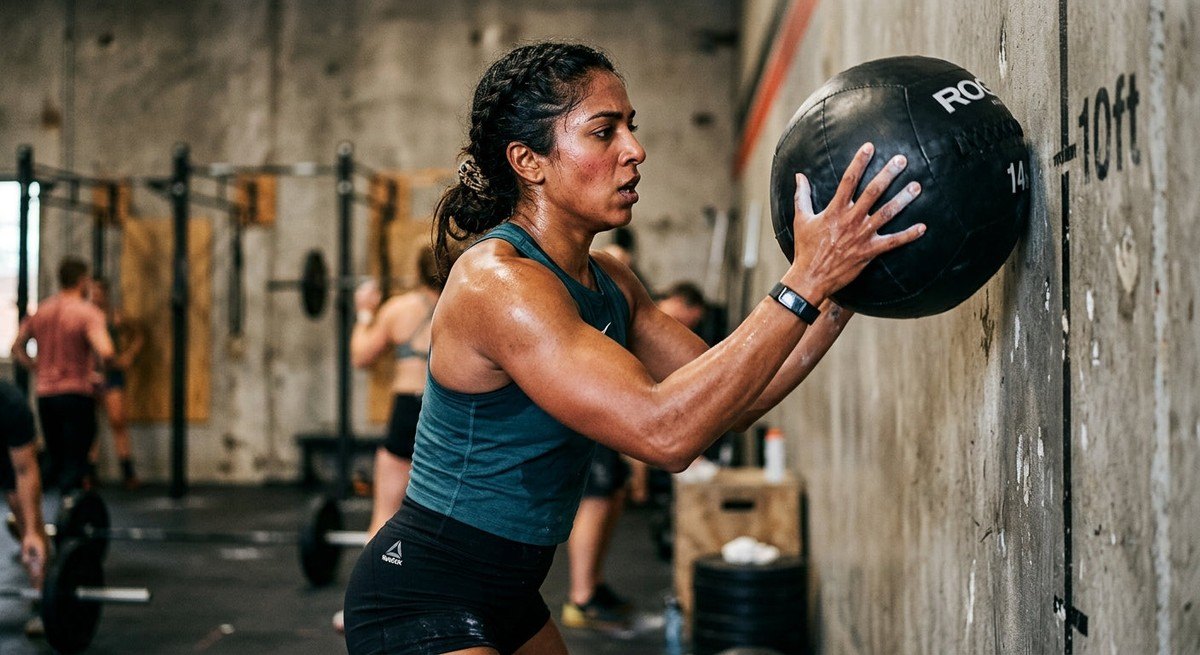
So, where do you begin if you want to dip your toe into the water? First, assess your current engine. If you are a runner who loves a steady, grinding pace, Hyrox is likely your spiritual home. If you prefer shorter, punchier movements and enjoy a bit of variety, Deka Fit will feel like a natural fit. Start by incorporating one 'race simulation' day into your weekly schedule, focusing on the specific movements found in these events, such as sled pushes, burpees, and wall balls.
Do not try to master everything at once. Focus on your technique for the heavier movements, like the sled pull or the farmer’s carry, as these will be where you lose the most time if your form breaks down. Once you feel comfortable with the mechanics, begin layering in the running. The transition from a heavy sled push to a 1km run is where your heart rate will spike, and training that specific recovery is the secret sauce for success.
How to Build this into my life
Fitting this training into a busy schedule requires a bit of strategy. I prioritise 'hybrid' sessions where I combine strength work with cardiovascular intervals. Instead of doing a separate leg day and a separate cardio day, I combine them. For instance, perform a set of heavy squats followed immediately by a 400m sprint. This mirrors the physiological demands of race day and ensures you are training your body to recover under pressure.
Consistency is your best friend here. You do not need to train like a professional athlete every day. Aim for three targeted sessions per week: one focused on threshold running, one on high-volume strength, and one race-specific drill day. On your off days, focus on active recovery. Walking, swimming, or light cycling will keep your joints healthy and ensure you are fresh for your next high-intensity session.

Have a quick training or recovery question?
Get fast expert advice right here on the page—no sign-up, account, or app needed. Try asking Raye: 'What's the best way to relieve tight calves after a run?' Ask a question now
Essential Kit
You do not need a mountain of gear, but the right kit makes a world of difference. For footwear, prioritise a shoe with a stable base but enough cushioning for the running portions—think of a hybrid trainer rather than a pure lifting shoe. You want to feel connected to the floor during the sled pushes but protected during the miles of running.

Beyond shoes, invest in a good pair of compression socks and high-quality moisture-wicking clothing. You will be sweating profusely, and the last thing you want is heavy, damp fabric slowing you down or causing chafing. A reliable heart rate monitor is also worth its weight in gold, as it helps you track your exertion levels and ensures you are not red-lining too early in the race.
10 alternative items to try
- Concept2 Rower: The ultimate tool for building an aerobic base. It engages the entire posterior chain and requires the same mental fortitude needed for the final stages of a Hyrox race. Incorporating 500m intervals at a high intensity will significantly improve your lung capacity and overall race-day endurance.
- Sandbag Training: Sandbags offer an unstable load that forces your core to work overtime. Unlike a barbell, the weight shifts constantly, which mimics the real-world demands of functional fitness races. Using a sandbag for squats or carries will prepare your stabiliser muscles for the varied terrain of a Deka Fit course.
- Plyometric Boxes: Box jumps are a staple in functional fitness for a reason. They build explosive power and vertical capacity, which are essential for the burpee station. Consistent practice will help you maintain a steady rhythm and conserve energy, allowing you to move through high-repetition movements with efficiency and speed.
- Kettlebells: These are incredibly versatile for building functional strength. They are perfect for training the posterior chain through swings or building grip strength with farmer's carries. Using kettlebells helps bridge the gap between pure strength training and the high-repetition endurance required for competitive fitness racing, improving your grip and stamina.
- Ski Erg: This machine is a classic for a reason. It builds immense upper-body endurance and core strength, which is vital for the rowing or skiing portions of these races. By training on the Ski Erg, you develop the specific muscular endurance needed to keep your pace consistent when your legs are already fatigued.
- Weighted Vest: Training with a weighted vest adds a layer of resistance to your running and bodyweight movements. It forces your heart and lungs to work harder, making the race day feel significantly easier. It is a fantastic tool for increasing your metabolic demand during shorter, high-intensity training sessions or steady runs.
- Sled Prowler: This is arguably the most important piece of equipment for any functional fitness competitor. The sled push and pull are often the most physically draining parts of the race. Regular training with a weighted sled will help you learn how to manage your effort and maintain a solid pace.
- Battle Ropes: Battle ropes are excellent for building muscular endurance in the shoulders and back. They also help improve your grip strength, which is tested throughout both Hyrox and Deka Fit. Incorporating short, explosive intervals with battle ropes at the end of a workout will push your cardiovascular limits to the edge.
- Medicine Balls: Wall balls are a common denominator in these races. Practising with a medicine ball helps you refine your squat depth and throwing technique, ensuring you do not waste energy during the repetition-heavy stations. It is all about finding a rhythm that allows you to hit your target count with minimal rest.
- Agility Ladders: While these races are about strength and endurance, coordination is key. Agility ladders help improve your footwork and overall movement efficiency. Being able to transition quickly between stations or navigate the course with precision can save you precious seconds, making them a valuable addition to your warm-up routine.


