

A Guide to Prescription Inserts vs. Direct Rx Sports Sunglasses


Need performance advice right now?
Ask our on-site coach anything about your routines. It's completely free and available immediately right here: 'What are 3 quick exercises for ankle mobility?' Ask Raye for free
Choosing Your Vision Partner
If you have ever tried to sprint or cycle with standard glasses slipping down your nose, you know the struggle is real. For those of us who need vision correction, the world of sports eyewear can feel like a maze. Do you go for the sleek, wrap-around look of direct prescription lenses, or the versatility of an insert? Let’s chat about how to make the right call for your active lifestyle.
I have spent years testing gear, and I have found that the right choice comes down to your sport, your budget, and how much you value field of vision. It is not just about looking the part; it is about safety and precision when you are pushing your limits on the track or the trail.
Step by Step Starting Out
First, identify your primary sport. If you are a cyclist, the wrap-around nature of direct Rx sunglasses is usually the gold standard because it offers a wider, uninterrupted field of view. There is no frame edge to distract your peripheral vision, which is vital when you are navigating sharp corners.
Next, consider your prescription strength. If you have a high prescription, direct Rx lenses in curved frames can sometimes create a 'fish-eye' distortion. This is where inserts often win. Inserts sit behind the main lens, keeping the correction flat and true, which is much easier for your eyes to process during high-intensity movement.
Finally, trial both options if you can. Visit a specialist optician who understands sports optics. Put them on, move your head quickly, and see how your depth perception holds up. If the insert feels like it is sitting too close to your eyelashes, you might need a frame with adjustable nose pads to create that perfect clearance.

How to Build this into my life
Integrating your new eyewear into your routine is all about consistency. I always treat my sports glasses like a piece of high-performance kit—just like my trainers or my bike. Keep them in a dedicated hard case in your gym bag so they never get crushed under your water bottle or spare kit.
Cleaning is non-negotiable. After a sweaty session, salt from your perspiration can corrode lens coatings. Rinse them under lukewarm water with a drop of mild, pH-neutral washing-up liquid. Never use your jersey or a rough towel to wipe them; always use a clean, dedicated microfibre cloth to prevent micro-scratches that will ruin your view over time.
Prioritise a routine check of the hinges and nose pieces. If you notice any looseness, don't wait for them to fall off mid-run. A tiny drop of thread-locking fluid or a simple tighten with a precision screwdriver can save you a fortune in replacements. Taking care of the small details ensures your gear lasts for years, not months.

Need a clear race fuelling strategy?
Get instant, practical advice on hydration and race-day nutrition directly on this page for free. Try asking Raye: 'How many grams of carbs should I take per hour during a half marathon?' Ask for fuelling advice
Essential Kit
Your kit should be simple and effective. You need a high-quality microfibre cleaning cloth, a dedicated lens cleaning spray that is safe for anti-reflective coatings, and a sturdy hard-shell case. If you opt for inserts, keep a small, soft pouch specifically for the insert when it is not in use, so it does not rattle around inside your main sunglasses.
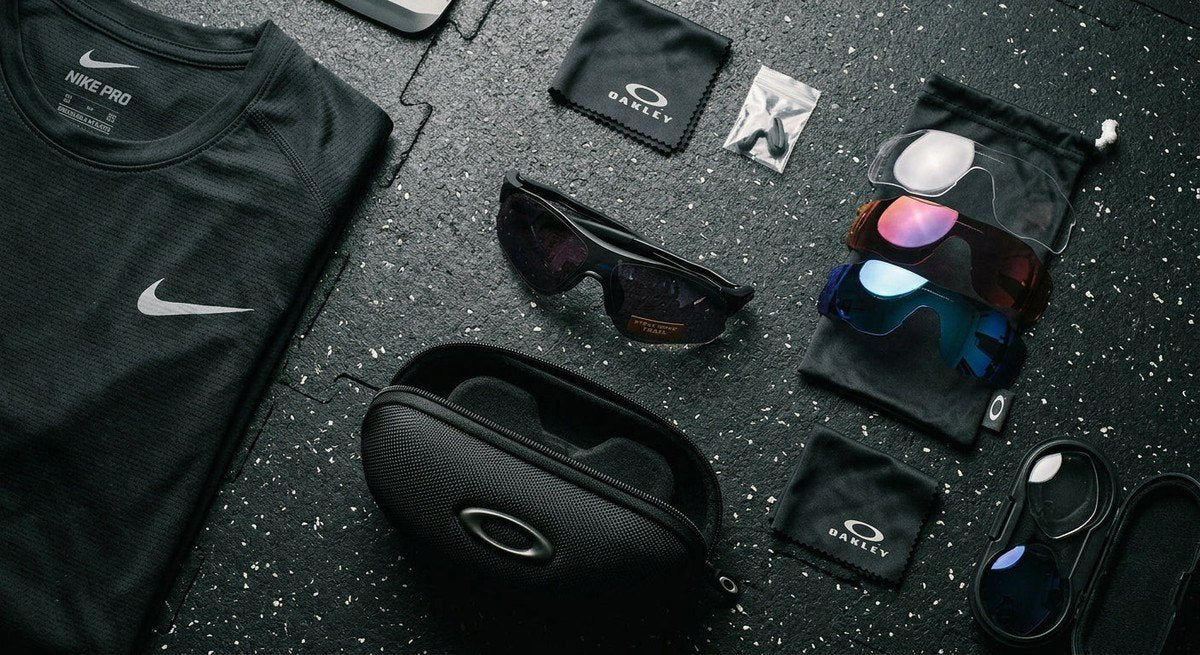
Investing in a high-quality anti-fog spray is also a game-changer. Especially with inserts, which can sometimes trap heat between the lens and your eye, a good anti-fog treatment will stop your vision from clouding up when you start to work up a real sweat on those cold winter mornings.
Lastly, consider the light conditions you frequent. If you are a fan of early morning or late evening training, photochromic lenses are an absolute must. They adjust their tint based on UV exposure, meaning you only ever need one pair of glasses regardless of whether the sun is blazing or the sky is grey.
10 alternative items to try
- Oakley Flak 2.0 XL: These are a classic for a reason. They offer incredible coverage and the ability to swap out lenses depending on the light conditions, making them a versatile choice for any athlete who wants durability and a secure fit during high-speed movement without worrying about frame slippage.
- Rudy Project Rydon: Known for their adjustable nose pads and temple tips, these allow for a bespoke fit that is hard to beat. They are particularly good for those who find standard frames uncomfortable, as they can be moulded to the unique contours of your face for maximum comfort and stability.
- Bolle Shifter: These sunglasses provide a retro-modern look combined with high-performance lens technology. They offer a wide field of view that is excellent for cycling, and they are designed to stay firmly in place even when you are riding hard, ensuring your focus remains entirely on the road ahead of you.
- Smith Attack MAG: Featuring an innovative lens swap system, these are perfect for athletes who encounter rapidly changing light. The magnetic mechanism is incredibly fast and secure, allowing you to switch lenses in seconds without fumbling, which is a massive advantage during long races or changing weather conditions throughout the day.
- 100% Speedcraft: If you want maximum coverage and a bold aesthetic, these are the go-to. They are widely used by professional cyclists and offer an expansive field of vision that feels almost like wearing a visor, providing excellent protection against wind, debris, and bright sunlight during intense outdoor activities.
- Tifosi Veloce: An excellent entry-level option that doesn't compromise on quality. They are lightweight, durable, and offer great ventilation to prevent fogging. If you are just starting out with sports eyewear and don't want to break the bank, these provide a reliable and comfortable solution for daily training sessions.
- Adidas Sport SP0001: These frames are built for rugged use and feature an anti-fog ventilation system that is genuinely effective. They are designed to withstand the elements, making them a brilliant choice for trail runners or mountain bikers who need gear that can handle mud, rain, and the occasional branch strike.
- Julbo Aero: Specifically designed for endurance athletes, these are incredibly lightweight and feature a lens design that promotes airflow. This makes them perfect for running or cross-country skiing where fogging is a common issue. They feel virtually weightless on the face, allowing you to forget you are even wearing them.
- Shimano S-Phyre X: Developed with input from professional riders, these glasses are all about aerodynamics and clarity. They offer a sharp, crisp view of the road surface, which is essential for picking the best lines during a race or a fast group ride with your club mates on the weekend.
- POC Aspire: These frames are designed for a seamless fit with a helmet, making them a popular choice for cyclists. They have a stylish, minimalist look and offer great optical clarity, ensuring that you look as good as you perform while keeping your eyes protected from the harsh sun and wind.

