

Wearable Muscle Stimulators: Compex vs. PowerDot


Want to get faster but hate the track?
Speedwork doesn't have to be miserable. Our AI coach, Raye, knows hundreds of fun, effective interval sessions you can do anywhere, on your own terms. Try it out instantly with no sign-up. Ask Raye: 'What's a good fartlek session I can do around my local park?' Get instant speed session ideas.
What are the press saying?
In the high-stakes arena of elite sports recovery, the conversation has shifted from passive rest to active neuromuscular intervention. Industry journals and sports science publications have consistently highlighted both Compex and PowerDot as the gold standards for athletes seeking to accelerate muscle repair. While Compex is frequently lauded for its deep-rooted clinical heritage and complex programme variety, PowerDot has garnered significant acclaim for its seamless integration with mobile technology and user-friendly interface, bridging the gap between professional therapy and consumer convenience.
Comfort & Fit
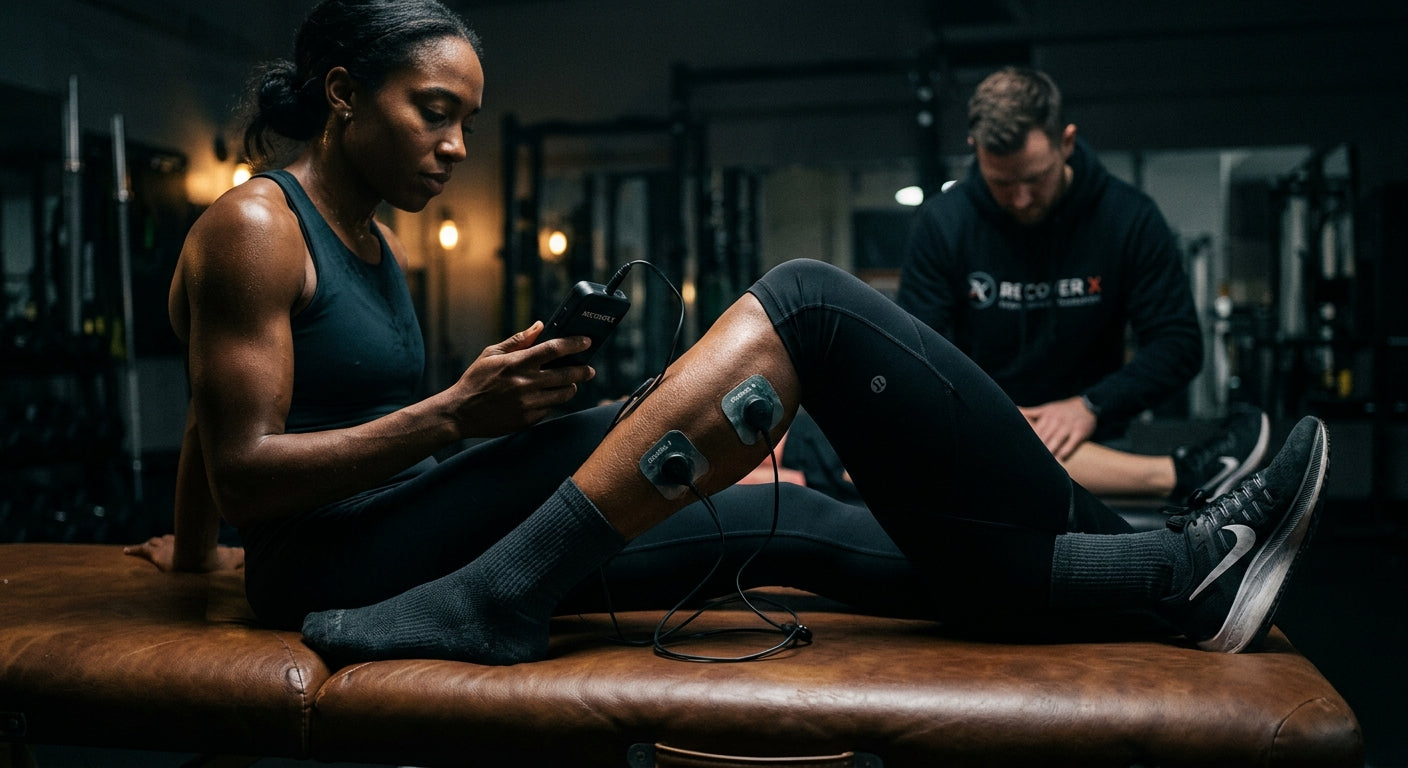
When assessing comfort, the distinction between these two systems becomes apparent. Compex units, particularly the wired models, offer a robust connection that provides consistent electrical impulses, though the cables can feel cumbersome during movement. Conversely, PowerDot has revolutionised the sector with its sleek, wireless design. The pods are lightweight and attach directly to adhesive pads, allowing athletes to recover whilst performing light domestic tasks or travelling. However, some users find the Compex electrode placement more versatile for targeting specific, hard-to-reach muscle groups during static recovery sessions.
Features to Look out For
Selecting the right stimulator requires a clear understanding of your training goals. Compex devices are renowned for their TENS and EMS programmes that mimic physiological muscle contractions, making them ideal for strength building and endurance training. PowerDot excels in its intuitive software, which guides users through recovery protocols based on their recent training intensity. When choosing, prioritise battery life, the customisation of pulse frequency, and the availability of pre-set programmes tailored to your specific sport, whether it be cycling, sprinting, or weightlifting.
Evolution and History
The history of electrical muscle stimulation (EMS) is rooted in clinical rehabilitation, initially used to prevent muscle atrophy in patients. Compex, a Swiss brand with decades of history, brought this technology to the mainstream fitness market, maintaining a focus on medical-grade precision. PowerDot emerged as a disruptive force, capitalising on the smartphone revolution to simplify the user experience. This evolution represents a broader trend in sports science: the democratisation of professional-grade tools that were once exclusive to physiotherapists and elite training centres.
Special Features & Technical Specifications
Material Composition
Compex units typically utilise durable, high-impact polycarbonate housings designed for rigorous clinical environments, while PowerDot features a minimalist, water-resistant exterior designed for the modern athlete's gym bag.

Pace stuck in a training plateau?
If your times haven't dropped in months, you likely need a new stimulus. We've trained our AI coach, Raye, on elite programmes to help you break through. Jump in with no sign-up and ask, for instance: 'What is the best threshold session to improve my 10K pace?' Discover ways to break your plateau.
Physical Dimensions and Weight
The Compex Sport 8.0 remains a larger, tabletop-style unit, whereas the PowerDot 2.0 system consists of ultra-compact pods weighing less than 30 grams each, prioritising portability without sacrificing electrical output.
Engineering Advancements
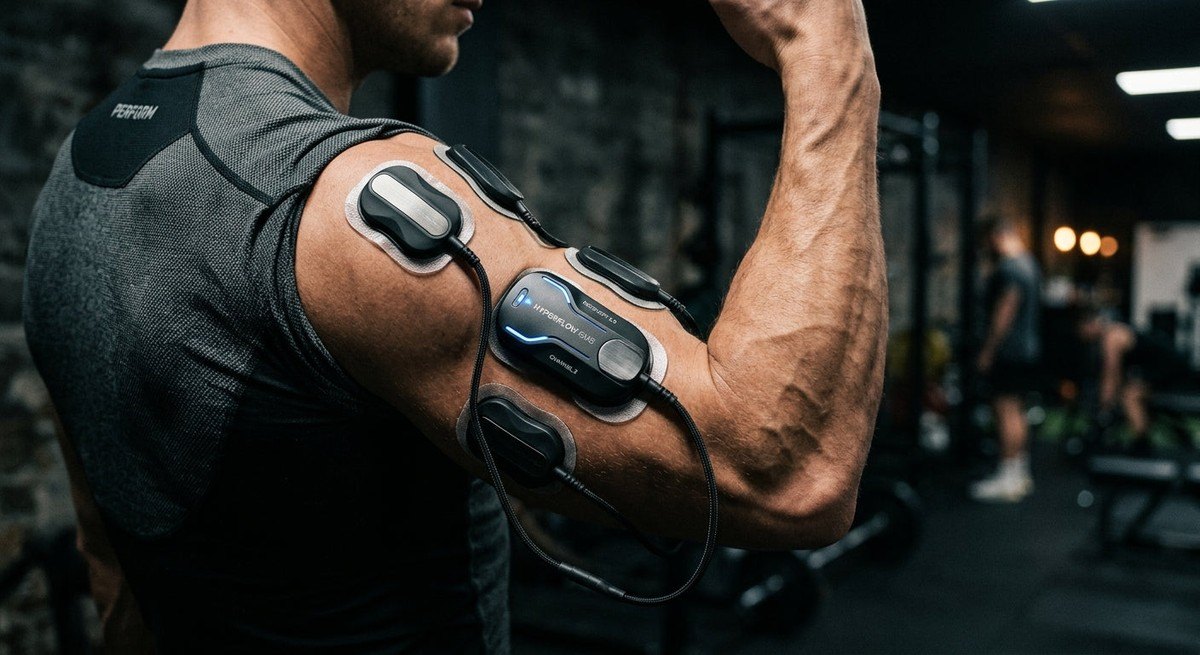
Recent engineering shifts have seen Compex integrate wireless connectivity into their premium range to compete with the mobile-first approach of PowerDot. Simultaneously, PowerDot has refined its wave-form technology to reduce skin irritation during prolonged stimulation, a significant improvement over earlier, more aggressive iterations.
What to Expect in the future?
The trajectory of recovery technology points towards greater integration with wearable biometric sensors. Future iterations of these stimulators will likely sync directly with heart rate monitors and sleep trackers to automatically adjust recovery intensity based on your physiological data. We anticipate seeing more sophisticated AI-driven analytics that predict muscle fatigue before the athlete even feels it, cementing these devices as essential components of the modern recovery ecosystem.
Ultimately, the choice between Compex and PowerDot depends on your preference for clinical depth versus digital simplicity. Compex remains the powerhouse for those prioritising raw functionality and a vast array of therapeutic modes. PowerDot is the clear winner for the athlete who demands efficiency, mobility, and a seamless digital interface. Both systems are transformative, ensuring that your muscles receive the professional care required to reach peak performance during your next training block.

