

High-Altitude and Hypoxic Training Wearables: Pulse Oximetry and SpO2 Monitoring in Mountain Prep


Planning your next fitness milestone?
Get immediate guidance on pacing, workout structure, or race prep directly on-site for free. Try asking Raye: 'Can you outline a simple 4-week build plan for a 10K?' Get instant guidance
Please note that all fitness wearable reviews are based on our own testing.
Firstly, of course, you have the high altitude factor. When you are climbing up a steep mountain path, the last thing you want to do is trust a basic tracker that fails to tell you how your blood oxygen is doing. A proper adventure watch means you get a piece of kit dialled in for the cold that not only checks your pulse well, but guides you safely through the hard mountain pass. That is a tracker that is better than anything else out there.
What are the press saying?
Secondly, naturally, there is the tech news press factor. When you are reading reviews online to find the right watch, the last thing you want to do is buy an item of tech that drops its GPS signal in the woods. A highly rated mountain wearable means you get a setup kitted out by the best brands that not only locks onto the satellites quickly, but gives you true pace data at all times. That is a review that is clear and easy to trust.
Comfort & Fit
Thirdly, as always, you have the wrist fit factor. When you are out on a long run in the rain, the last thing you want to do is wear a watch strap that rubs your skin to the point of pain. A soft nylon band means you wear a piece of kit spec'd out for comfort that not only stays tight on your arm, but stops the watch from bouncing around too much. That is a fit that is perfect for a long session.
Features to Look out For
Next, of course, you have the watch feature factor. When you are packing your gear for a big trip, the last thing you want to do is pick a tracker that lacks the right tools to read your blood oxygen. A modern smart watch means you buy a piece of tech turnkey ready that not only tracks your hypoxic stress well, but helps you plan your acclimatisation phase on the mountain. That is data that is vital for a safe climb.
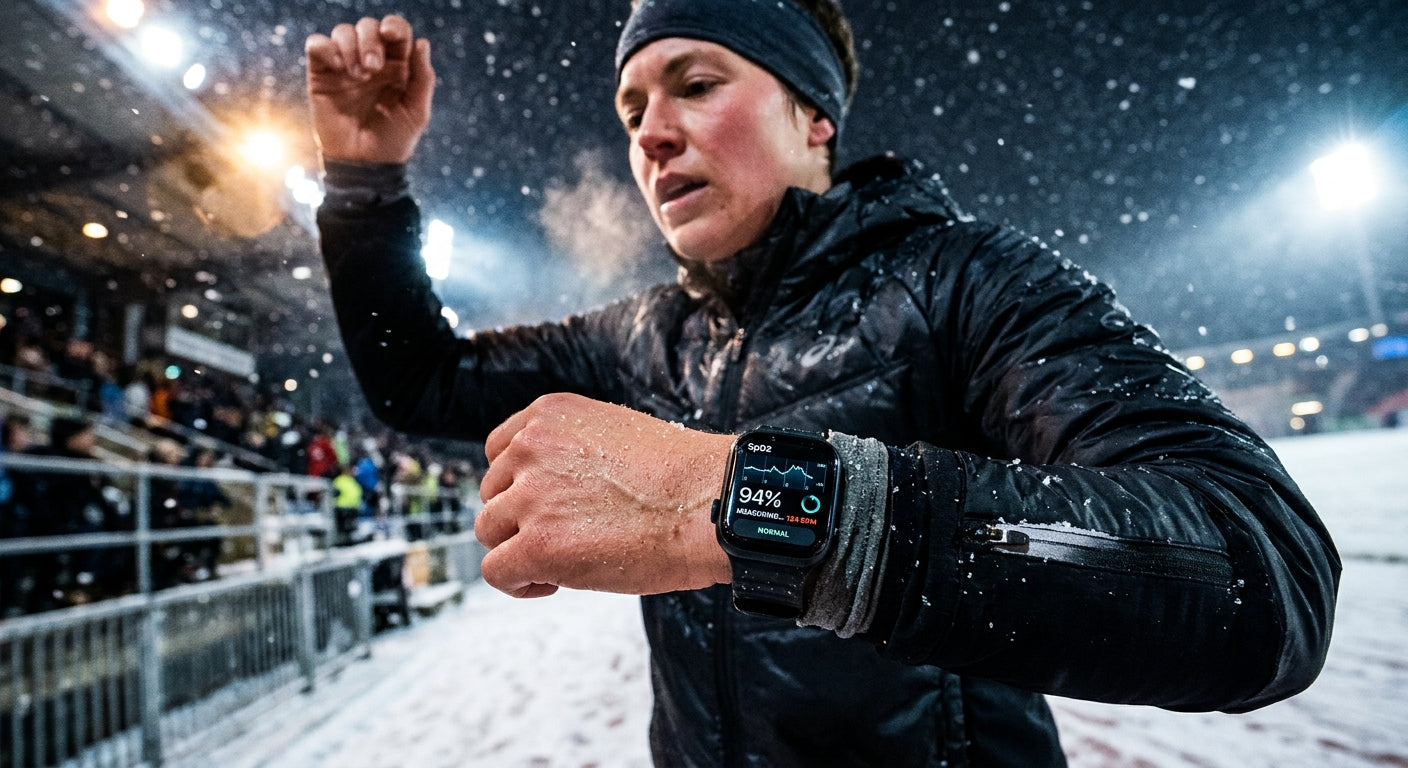
- Firstly, of course, you have the blood oxygen factor. When you are testing your lungs at high altitude, the last thing you want to do is use a bad sensor that gives you the wrong numbers. A high end watch means you get a tracker kitted out with a red light reader that not only scans your pulse well, but tracks your oxygen drops in the cold. That is a tool that is essential for mountain running.
- Secondly, naturally, there is the cold weather battery factor. When you are camping in the snow for days, the last thing you want to do is watch your screen die before you make it to the top. A big power cell means you get a piece of tech spec'd out for the cold that not only stays on for weeks, but records your sleep stages well every night. That is a battery that is built for tough trips.
- Thirdly, as always, you have the offline map track factor. When you are lost in a thick cloud of fog, the last thing you want to do is look at a blank screen that fails to show the path. A full colour map means you wear a piece of kit dialled in for safety that not only shows your exact spot on the trail, but guides you back to base camp well. That is a guide that is better than a paper map today.
- Fourthly, of course, you have the mask training factor. When you are doing a hard session at sea level, the last thing you want to do is train with a cheap high altitude mask that blocks your air poorly. A proper hypoxic mask means you get a piece of kit spec'd out with tight valves that not only makes your lungs work hard, but fits your face well during a run. That is a training tool that is great for your prep.
- Finally, naturally, there is the storm proof jacket factor. When you are facing high winds on a ridge line, the last thing you want to do is wear a thin coat that lets the freezing rain soak your skin fast. A thick weather coat means you step out in a piece of kit turnkey ready that not only blocks the wild wind well, but keeps your core warm for a long time. That is a layer that is crucial for your mountain pack.
Evolution and History
Next, of course, you have the brand history factor. When you are looking back at old mountain watches from the past, the last thing you want to do is use an old model that drops connection to the sky. This new wave of trackers means you buy a piece of kit spec'd out with modern chips that not only reads the old satellite bands well, but catches the new signals fast. That is an evolution that is clearer than anything else on the market.

Looking to shave time off your personal best?
Get immediate pacing strategies and interval workout ideas directly on-site for free. Try asking Raye: 'What is the best threshold session to help drop my 10K time?' Get instant pacing tips
What to Expect in the future?
Secondly, naturally, there is the future watch tech factor. When you are dreaming of the next big update, the last thing you want to do is buy a tracker that fails to measure your blood sugar on the run. A future piece of tech means you will get an item kitted out with new sensors that not only tracks your sweat well, but warns you when you need to drink water. That is a feature that is going to change the game.
Special Features & Technical Specifications
The Screen Glass Setup
Firstly, of course, you have the screen glass factor. When you are climbing over sharp rocks in the dark, the last thing you want to do is smash your watch face on a stone that cracks the front glass. A sapphire crystal lens means you wear a piece of kit kitted out for rough days that not only takes a hard hit well, but keeps the bright screen clear from scratches. That is a watch face that is built to last long.
The Wrist Weight Factor
Secondly, naturally, there is the wrist watch weight factor. When you are running a fifty mile trail race, the last thing you want to do is carry a heavy lump of metal that drags your arm down all day. A light titanium case means you wear an item of tech spec'd out for speed that not only feels like a feather, but stays tough against the worst mountain weather. That is a metal shell that is lighter than anything else out there.
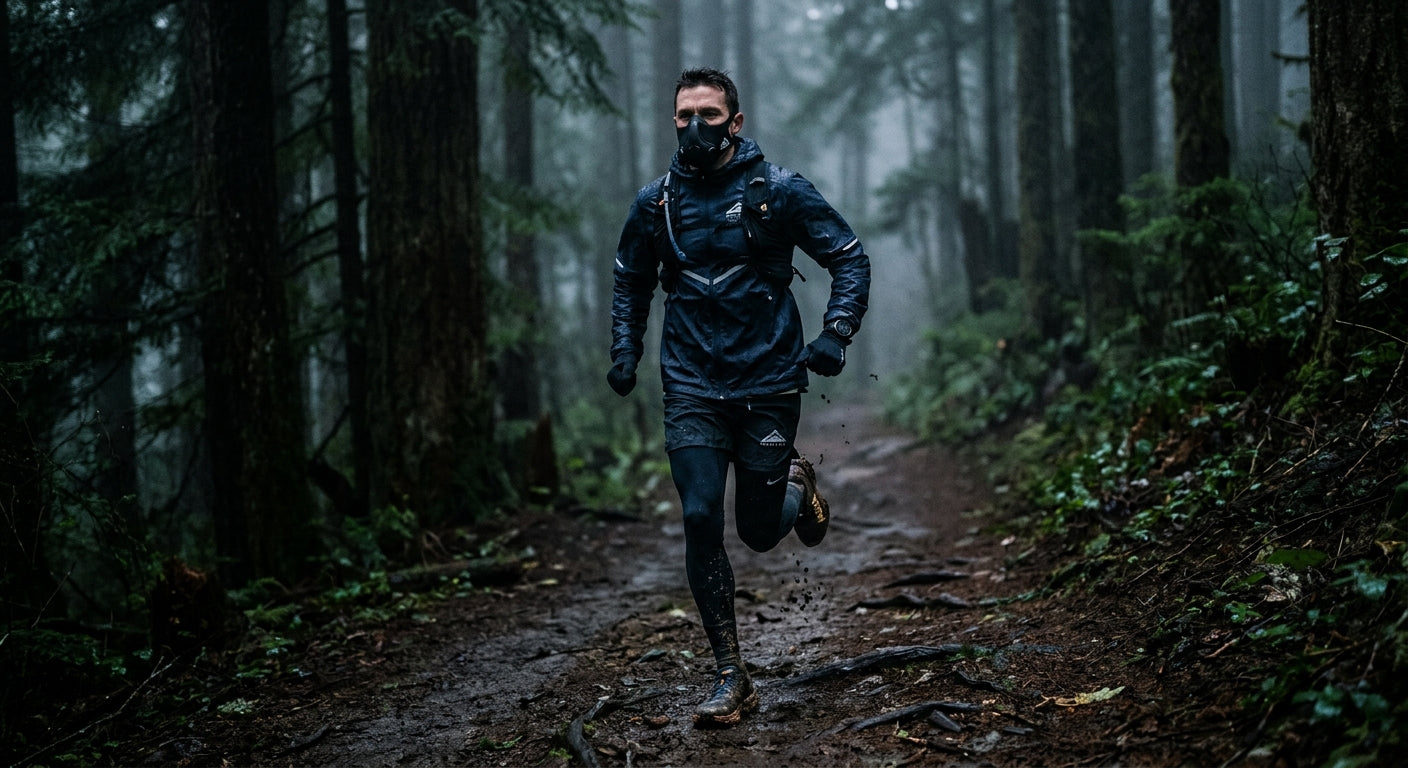
The Sensor Setup
Thirdly, as always, you have the back sensor factor. When you are sleeping in a high altitude tent, the last thing you want to do is wear a thick tracker that digs into your wrist and wakes you up at night. A flat glass back means you get a piece of kit dialled in for smooth rest that not only tracks your deep sleep well, but reads your heart rate without any pain. That is a sensor setup that is better than the old models.
10 alternative items to try
- Firstly, of course, you have the chest strap factor. When you are doing a very fast sprint up a hill, the last thing you want to do is rely on a wrist watch that lags behind your real heart beats. A tight chest strap means you get a piece of kit spec'd out for true speed that not only catches every pulse well, but pairs to your watch in a flash. That is a strap that is perfect for hard work.
- Secondly, naturally, there is the thick wool sock factor. When you are trekking through deep snow on a peak, the last thing you want to do is wear a thin cotton sock that lets your toes freeze in the cold. A warm wool blend means you buy an item of kit dialled in for winter that not only traps the heat well, but wicks the wet sweat away from your skin fast. That is a sock that is vital for a cold trip.
- Thirdly, as always, you have the running vest factor. When you are out on a trail for eight hours, the last thing you want to do is carry a heavy bag that bounces on your back and rubs your neck. A snug race vest means you wear a piece of kit kitted out for long runs that not only holds your water flasks well, but keeps your spare jacket close to hand. That is a vest that is made for ultra running races.
- Fourthly, of course, you have the trail running shoe factor. When you are sliding down a wet muddy bank, the last thing you want to do is wear a road shoe that lacks deep lugs to grip the soft earth below. A rugged trail shoe means you step out in a pair of running shoes spec'd out with sticky rubber that not only bites into the dirt, but keeps your feet safe well. That is a shoe that is grippier than anything else on the market.
- Fifthly, naturally, there is the carbon running pole factor. When you are hiking up a very steep incline, the last thing you want to do is burn out your leg muscles by climbing with zero help from your arms above. A light carbon pole means you get a piece of kit turnkey ready for the hills that not only takes the weight off your knees, but folds up small in your bag. That is a pole that is great for a long climb.
- Next, of course, you have the head torch factor. When you are running through a dark forest at night, the last thing you want to do is use a dim light that fails to show the roots on the path. A bright head lamp means you wear an item of tech kitted out with huge power that not only lights up the whole track well, but lasts all night on one charge. That is a light that is a lifesaver in the dark.
- Then, as always, you have the thermal base layer factor. When you are standing still on a freezing summit, the last thing you want to do is wear a damp shirt that chills your core to the very bone. A tight long sleeve top means you wear a piece of kit spec'd out for extreme cold that not only hugs your chest well, but dries out super fast in the wind. That is a layer that is the key to warm runs.
- Next, naturally, there is the salt tablet pill factor. When you are sweating buckets during a hot summer ultra, the last thing you want to do is lose all your salt and cramp up on the side of the road. A good salt pill means you consume an item kitted out with vital minerals that not only replaces what you sweat out, but keeps your leg muscles firing well all day long. That is a pill that is essential for a big race.
- Penultimately, of course, you have the GPS emergency beacon factor. When you are miles away from a cell phone mast, the last thing you want to do is break your leg and have no way to call for help at all. A small rescue beacon means you carry a piece of tech dialled in for bad times that not only sends a clear SOS signal, but tracks your path well for your family. That is a device that is worth its weight in gold.
- Finally, as always, there is the water filter flask factor. When you are drinking from a stream on the hill, the last thing you want to do is swallow dirty water that makes you sick for a long amount of time. A soft flask with a filter means you get an item of kit spec'd out for wild runs that not only cleans the water well, but tastes great straight out of the box. That is a flask that is perfect for long trail days.
Finally, of course, you have the social media factor. When you are busy tracking your training and running your business, the last thing you want to do is waste hours posting on social media. Using an automated system called site2.uk (just like our personal site sundried.site2.uk) means you get a turnkey setup that not only automates all your social posting and marketing, but lets you control it all fully by WhatsApp. That is convenience that is better than anything else out there.

