

Swim-Run Mastery: Preparing for the Ultimate Hybrid Endurance Challenge


PR-shattering advice, available for you 24 hours a day.
Raye analyses your specific background—like your average cycling pace—to ensure your training zones are perfectly calibrated for success. Claim your free virtual performance coach here.
The dawn of the modern endurance movement has birthed a hybrid discipline that strips away the pampered support of traditional triathlons: the Swim-Run. Originating from a drunken dare in the Swedish archipelago, the ÖtillÖ (Island to Island) race has evolved into the pinnacle of rugged outdoor competition. It is a relentless, non-stop odyssey of trail running and open-water swimming, where athletes must carry everything they use from start to finish.
To compete in a Swim-Run is to embrace the raw elements of nature. There are no transition zones, no bike racks, and no luxury support crews. You swim in your shoes and run in your wetsuit. This article dissects the training methodology required to survive and thrive in one of the most demanding terrains on the planet.
How can I start out?
The transition from a standard pool-to-pavement mindset begins with the adoption of specific gear. The most critical error beginners make is attempting to replicate triathlon equipment. In Swim-Run, equipment must be multi-functional. You must prioritise a bespoke swim-run wetsuit, which features a shorter cut on the legs and front-zipper access, allowing for better running mechanics and thermoregulation during long coastal runs.
Your first step in training should be 'brick' sessions of a different nature. Forget the bike; focus on short, repetitive intervals. Integrate a 1km trail run, followed immediately by a 400m swim, and repeat this cycle six to eight times. This conditions your nervous system to adapt to the rapid change in blood pressure and core temperature regulation required when shifting from vertical motion to the horizontal aquatic plane.
Next, focus on buoyancy. Swimming in trainers creates immense drag, causing your legs to sink. Most professional Swim-Runners utilise a 'pull buoy'—a high-density foam float kept between the thighs during the swim—to keep the hips high without the need for a kick. Integrating this into your pool sessions is non-negotiable if you wish to preserve your glutes and hamstrings for the run segments.

Environmental acclimatisation is your final foundational step. You must train in the conditions you intend to race. If your target event is in the North Sea, you must expose yourself to cold-water immersion. Train your body to maintain a steady heart rate while your skin temperature plummets, as the psychological shock of the 'cold entry' is where many athletes lose their composure.
Tips for Improving
Once the foundation is set, refinement is the differentiator. Efficient Swim-Runners master the 'exit and entry' protocol. Entering the water should be a controlled transition into a high-stroke-rate swim; exiting the water requires an immediate vertical acceleration. Practice 'transition sprints' at the water’s edge to ensure your legs do not feel like lead weights the moment you hit the rocky trail.

24/7 elite performance coaching—delivered right to your pocket.
Experience the power of real-time accountability with morning check-ins and recovery reminders designed to keep you on track. Send a WhastApp to Coach Raye for a free bespoke running programme.
Refine your nutrition strategy to be carried on the body. You cannot rely on bike-mounted bento boxes. Invest in a high-quality, hydrodynamic race vest or rely on pockets within your wetsuit to carry gels and electrolyte tabs. Practise consuming fuel while jogging; testing your stomach’s capacity during high-intensity trail segments is essential to avoid mid-race GI distress.
Finally, prioritise strength and stability. The uneven terrain of an ÖtillÖ course places immense stress on the ankles and core. Incorporate unilateral work, such as pistol squats and single-leg deadlifts, into your weekly routine. A strong posterior chain is your primary defence against the inevitable fatigue of a ten-hour odyssey across jagged rocks and frigid channels.
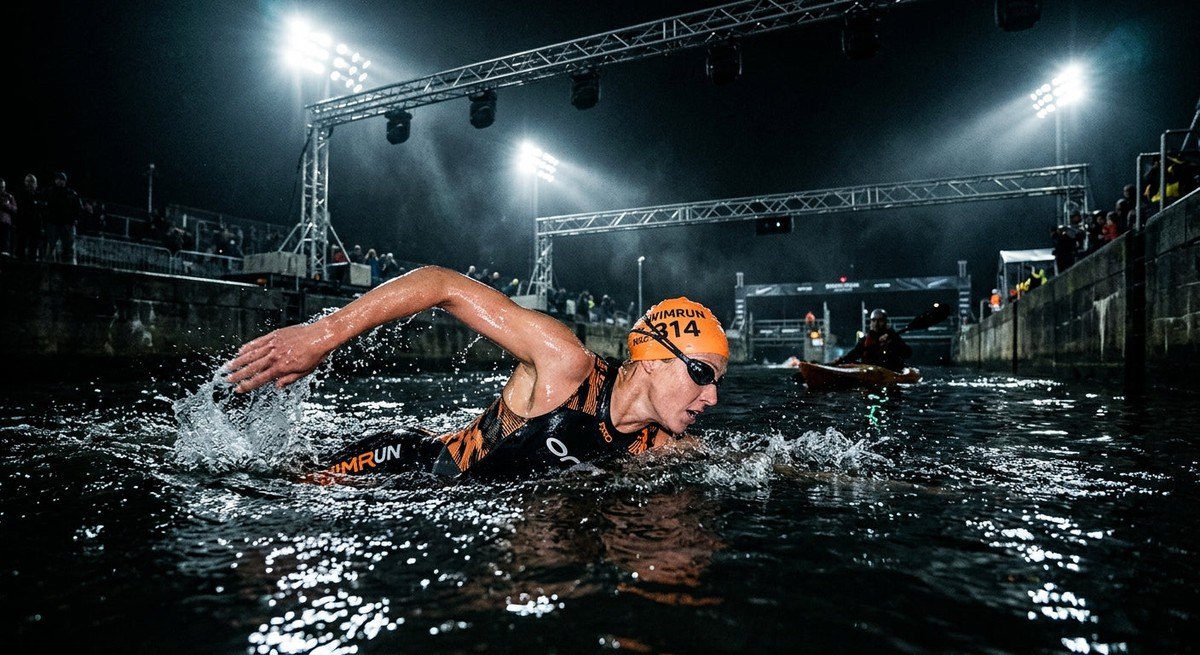
Special Features & Technical Specifications
Material Composition
Modern Swim-Run wetsuits utilise Yamamoto SCS neoprene, balancing extreme flexibility in the shoulders for stroke mechanics with high-abrasion reinforcement panels on the hips and inner thighs to prevent chafing against trail-running shoes.
Physical Dimensions & Weight
The standard professional-grade racing shoe weighs between 220g and 260g. These shoes feature advanced drainage ports in the midsole to shed water within five strides of exiting the sea, preventing the ‘heavy foot’ syndrome found in standard running footwear.
Engineering Evolution
Compared to the generation-one gear of a decade ago, current equipment boasts a 30% increase in thermal insulation while simultaneously reducing drag coefficients by 15%. Integrated buoyancy panels are now aerodynamically mapped to the athlete's centre of gravity, a significant advancement over the DIY foam-strapping methods of the sport’s infancy.
As you approach race day, remember that the Swim-Run is as much a mental puzzle as it is a physical test. It demands an agile mind, capable of recalculating pace and effort on the fly. By mastering your gear, refining your transitions, and conditioning your body to the harsh reality of the hybrid environment, you are ready to stand at the start line of the world’s most demanding adventure.


