

Optimising Recovery: Massage Guns Versus Compression Boots for Serious Runners


Need performance advice right now?
Ask our on-site coach anything about your routines. It's completely free and available immediately right here: 'What are 3 quick exercises for ankle mobility?' Ask Raye for free
The Science of Athletic Recovery
As a running coach, I am frequently asked by athletes how to bounce back faster after gruelling interval sessions or long weekend miles. While sleep and nutrition remain the bedrock of performance, the market is flooded with recovery hardware promising a competitive edge. Today, we analyse the two heavyweights of the recovery world: percussion massage guns and pneumatic compression boots.
Understanding the physiology behind these tools is essential. Your muscles sustain micro-tears during intense exercise, leading to the familiar sensation of delayed onset muscle soreness. Recovery tools aim to mitigate this by enhancing blood flow, reducing metabolic waste, and calming the nervous system. Choosing the right device depends on your specific training load and personal recovery bottlenecks.
Will It Make me Faster
Directly speaking, neither device provides a magical shortcut to speed. However, speed is a byproduct of consistency. If a massage gun allows you to work through a tight calf muscle that might otherwise force a rest day, it indirectly contributes to your speed by keeping your training block uninterrupted. Speed is built on the foundation of quality sessions, and recovery tools help facilitate those sessions by managing fatigue.
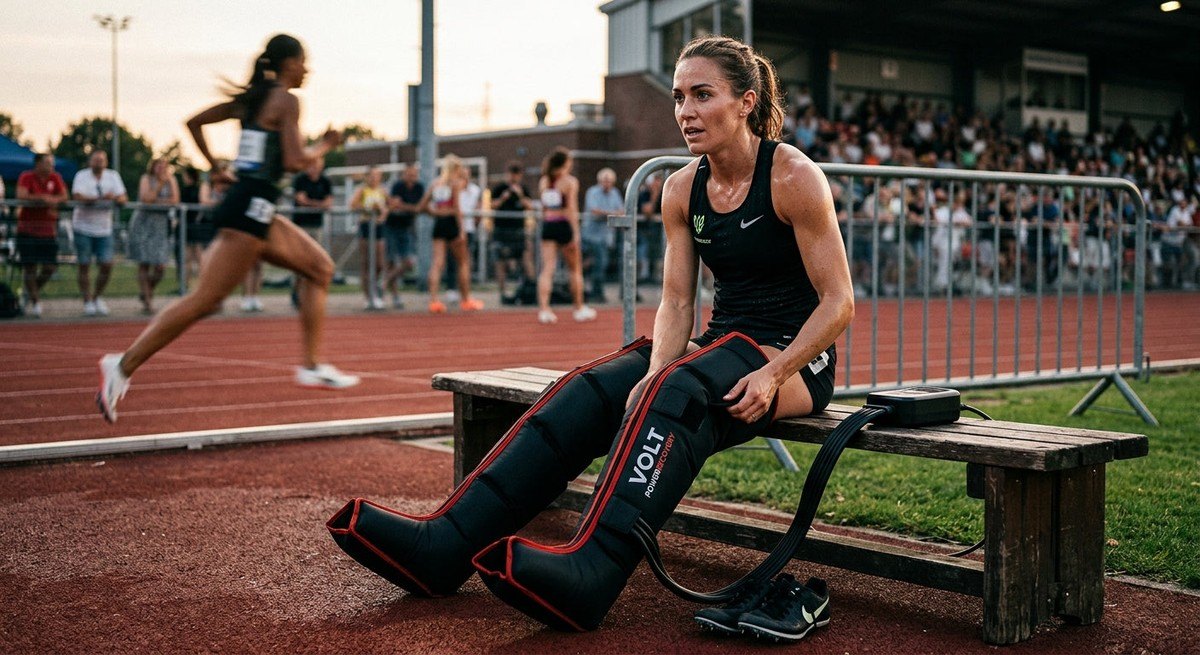
Compression boots, on the other hand, focus on systemic circulation. By utilising sequential pneumatic pressure, they help flush out fluid buildup in the lower limbs. For the runner who feels heavy-legged after a long run, these boots can lead to a fresher feeling in the next workout. When you arrive at the track with fresher legs, your ability to hit your prescribed paces improves significantly, which is the true driver of long-term speed development.
How long before I see improvements
Recovery is rarely about immediate miracles; it is about cumulative gains. Most runners notice a reduction in perceived muscle soreness within twenty-four hours of using these devices. However, the true performance benefits manifest over a period of four to six weeks of consistent use. You will likely find that your ability to tolerate higher training volumes increases, allowing you to train harder without succumbing to overtraining syndrome.
It is important to remember that these tools are not a replacement for a structured training plan. If you are not prioritising your hydration and sleep, no amount of percussion therapy will compensate for that deficit. Use these tools as a finishing touch to a well-rounded recovery strategy rather than a substitute for basic health protocols.

Need a clear race fuelling strategy?
Get instant, practical advice on hydration and race-day nutrition directly on this page for free. Try asking Raye: 'How many grams of carbs should I take per hour during a half marathon?' Ask for fuelling advice
Choosing Between Percussion and Compression
Percussion massage guns are excellent for targeted relief. If you have a specific knot in your hamstring or a tight soleus, the focused vibration can help break down adhesions and stimulate blood flow to a localised area. They are compact, relatively affordable, and perfect for a pre-workout warm-up to wake up the muscles, or a post-run session to address specific trigger points.
Compression boots are better suited for full-body systemic recovery. Because they cover the entire leg, they provide a comprehensive flushing effect that is difficult to replicate with a handheld device. They are an investment piece, usually reserved for those who are serious about high-mileage training and have the time to sit for thirty to sixty minutes in a passive recovery state.
10 alternative training techniques
- Active Recovery Cycles: Engaging in low-impact activities like cycling or swimming at an easy intensity helps promote blood flow to the muscles without the jarring impact of running. This helps flush out metabolic waste whilst keeping the joints mobile, allowing the nervous system to settle before the next hard training session.
- Contrast Water Therapy: By alternating between hot and cold water immersion, you stimulate vasodilation and vasoconstriction. This 'pumping' action in the blood vessels can significantly reduce inflammation and perceived soreness. It is a classic technique used by elite athletes to reset the body after high-intensity track sessions or long endurance runs.
- Dynamic Mobility Drills: Incorporating leg swings, lunges, and torso rotations before your runs prepares the muscles for the specific demands of movement. These drills increase core temperature and synovial fluid production, reducing the risk of injury while improving your running economy through better range of motion and improved motor unit recruitment.
- Myofascial Release with Foam Rollers: Using a high-density foam roller allows you to apply sustained pressure to tight muscle groups. This technique helps release tension in the fascia, which is the connective tissue surrounding your muscles. Regular rolling sessions improve flexibility and can help prevent the common overuse injuries that plague distance runners.
- Yoga for Runners: Focusing on hip flexors, hamstrings, and thoracic mobility, yoga promotes length in muscles that become shortened through repetitive running strides. By holding poses that challenge your balance and flexibility, you build a more resilient body that is better equipped to handle the stresses of high-mileage training blocks.
- Sleep Hygiene Optimisation: Quality sleep is the most potent performance enhancer available to any athlete. By creating a dark, cool environment and avoiding blue light before bed, you ensure that your body spends more time in deep REM sleep, which is when the majority of human growth hormone is released for tissue repair.
- Periodised Nutrition Planning: Matching your carbohydrate intake to the demands of your training day ensures your glycogen stores are topped up for hard sessions and refuelled post-run. Proper protein intake, timed around your workouts, is essential for repairing the muscle damage caused by training, thus accelerating the recovery process significantly.
- Breathing Exercises for Nervous System Regulation: Practising box breathing or diaphragmatic breathing helps shift your body from a 'fight or flight' sympathetic state to a 'rest and digest' parasympathetic state. This is crucial for runners who are constantly under physical stress, as it lowers cortisol levels and aids in overall physiological recovery.
- Barefoot Walking on Natural Terrain: Spending short periods walking barefoot on grass or sand strengthens the intrinsic muscles of the feet and ankles. This natural stimulus helps improve proprioception and balance, which can lead to a more efficient running gait and reduced reliance on overly supportive footwear that often weakens the foot arch.
- Mental Visualisation and Meditation: Athletic performance is as much about the mind as it is about the body. Spending ten minutes visualising your race goals or practising mindfulness helps reduce the psychological fatigue associated with heavy training. A calm, focused mind is less likely to experience the burnout that often accompanies long-term athletic pursuits.


