

Drafting Tactics in Open Water Swimming: Hydrodynamic Energy Savings


Dealing with a nagging injury or tightness?
Get instant recovery guidance, stretching protocols, and rest advice right now without leaving the site. Try asking Raye: 'What are the best stretches to relieve tight calves after a long run?' Get recovery advice
The Science of Hydrodynamic Drafting
In the competitive theatre of open water swimming, the difference between a podium finish and the middle of the pack often resides in fluid dynamics. For triathletes, mastering the draft is not merely a tactical advantage; it is a fundamental pillar of energy conservation. By positioning oneself strategically behind a lead swimmer, an athlete can exploit the wake created by the leader, effectively reducing the hydrodynamic drag that acts as the primary barrier to forward velocity.
Research suggests that drafting can lead to a 10% to 15% reduction in energy expenditure. This significant saving allows the swimmer to maintain a higher pace for a longer duration or preserve precious glycogen stores for the transition and the subsequent bike leg. Understanding the zones of least resistance is essential for any athlete looking to optimise their performance in the open water.
How can I start out?
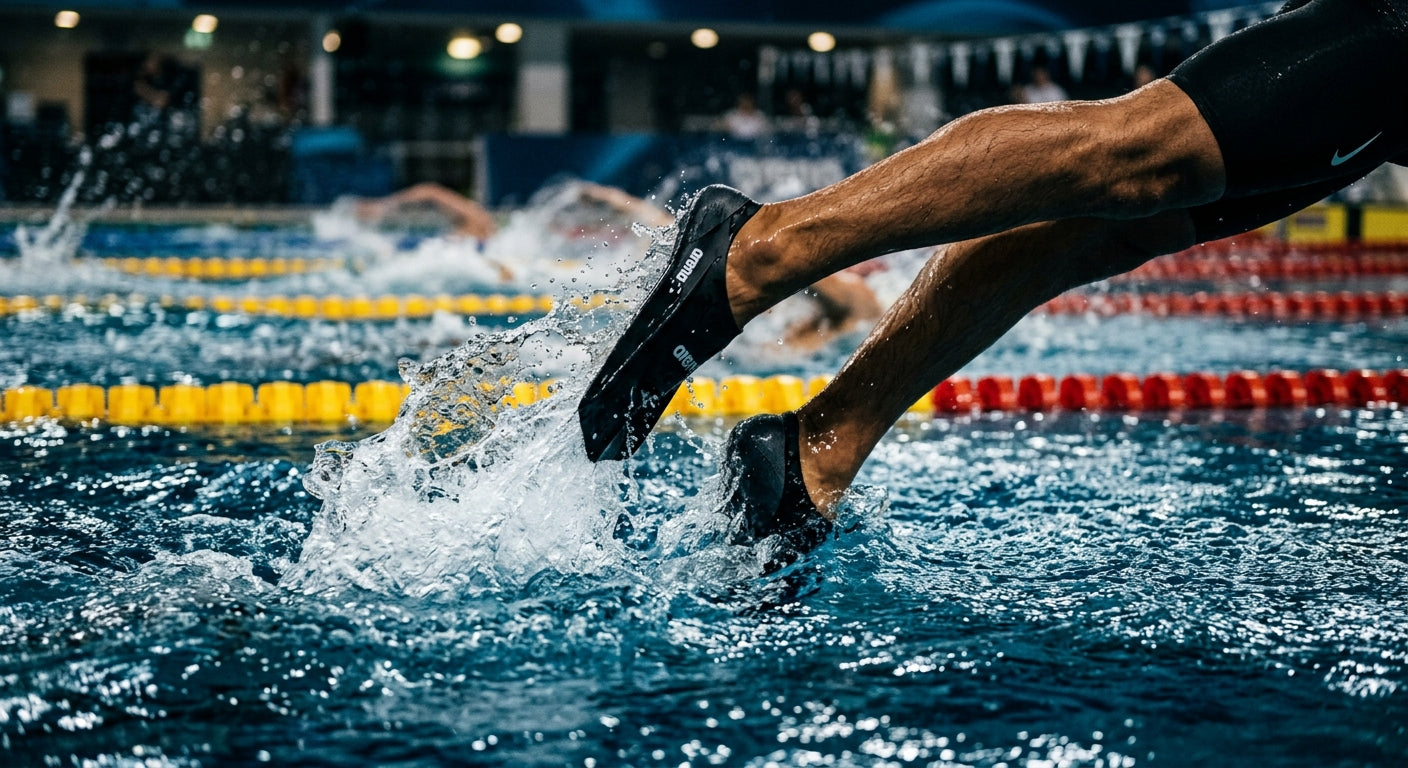
Initiating your drafting journey begins with identifying the correct 'sweet spot'. The most effective position is directly behind the lead swimmer’s feet. In this zone, you are positioned in the 'slipstream' created by the leader’s kick, which reduces the resistance your chest and head must overcome. Practising this in a controlled pool environment with a training partner is the best way to develop the spatial awareness required for open water conditions.
When you are ready to transition to open water, prioritise finding a swimmer whose pace is slightly faster than your own. Maintain a distance of roughly 30 to 50 centimetres from their feet. If you find yourself drifting too close, you risk clipping their heels, which will disrupt both your rhythm and theirs. If you fall too far back, you lose the benefit of the wake entirely. It is a delicate balance of proximity and composure.
Beyond foot drafting, some elite swimmers opt for hip drafting. This involves swimming alongside the leader, aligned with their hip. While this provides a different hydrodynamic benefit, it requires a higher level of technical skill to avoid shoulder collisions. For those just starting, sticking to the feet is the most reliable method for conserving energy during the initial stages of a race.
Tips for Improving
To truly master drafting, you must refine your sighting technique. Constant head-lifting to check your position will kill your momentum and increase frontal drag. Instead, integrate your sighting into your stroke rhythm, lifting your eyes just above the water line while your lead arm is extending. This keeps your body position horizontal and maintains your hydrodynamic efficiency.

Have a quick training or recovery question?
Get fast expert advice right here on the page—no sign-up, account, or app needed. Try asking Raye: 'What's the best way to relieve tight calves after a run?' Ask a question now
Investing in high-quality gear, such as Sundried high-performance trisuits, can further reduce the drag coefficient of your body. These suits are engineered to provide compression and optimal buoyancy, ensuring that even when you are drafting, your profile remains as sleek as possible. After the swim, a quick-dry transition towel is an essential piece of kit, allowing you to dry off rapidly and ensure your transition remains seamless and efficient.
Communication and situational awareness are also paramount. You should remain observant of the lead swimmer’s trajectory. If they veer off course, your ability to adjust without losing the draft zone will determine your success. Practising 'blind' drafting—where you rely on the movement of the water and the rhythm of the lead swimmer’s stroke rather than constant visual confirmation—will make you a more versatile competitor.
Consistency is the final component of improvement. Incorporate drafting drills into your weekly training schedule. Have your training partners rotate the lead position, allowing everyone to experience both the effort of breaking the water and the relief of the slipstream. This builds the muscle memory necessary to stay calm when the race start becomes chaotic.
Special Features & Technical Specifications
Material Composition
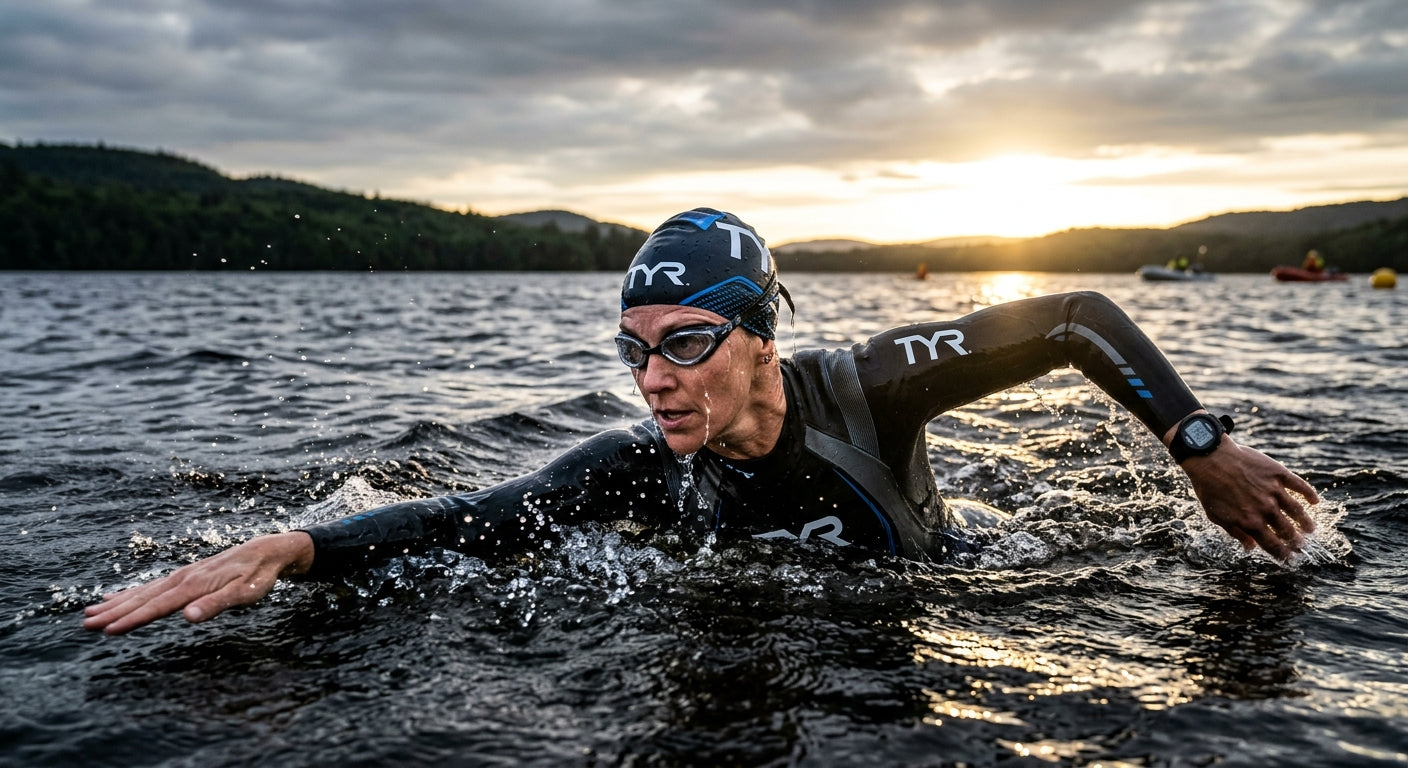
Modern high-performance trisuits utilise advanced hydrophobic fabrics. These materials are treated with a DWR (Durable Water Repellent) coating to minimise water absorption, ensuring the suit remains lightweight and streamlined throughout the swim leg.
Physical Dimensions and Engineering
The latest iteration of competitive trisuits features a revised shoulder cut-out to enhance range of motion. Compared to previous generations, the panel alignment has been shifted to promote a more neutral body position, reducing the effort required to maintain a horizontal plane in the water.
Weight and Performance Impact
Engineered for minimal mass, these garments weigh less than 200 grams when dry. The reduction in seams and the use of bonded edges significantly lower the friction coefficient, allowing for a smoother transition through the water compared to traditional stitched designs.
Ultimately, drafting is a mental game as much as a physical one. By maintaining focus on the hydrodynamic cues provided by the water, you can transform your open water swim from a struggle against the elements into a strategic exercise in efficiency. Train with purpose, equip yourself with the right gear, and use the energy you save to dominate the rest of your race.

