

Best Running Shoes for Speed Work: Top Picks for 2026


Want to get faster but hate the track?
Speedwork doesn't have to be miserable. Our AI coach, Raye, knows hundreds of fun, effective interval sessions you can do anywhere, on your own terms. Try it out instantly with no sign-up. Ask Raye: 'What's a good fartlek session I can do around my local park?' Get instant speed session ideas.
Choosing Your Weapon for the Track
As a coach, I am frequently asked which piece of gear can truly revolutionise a runner's performance. When we discuss speed work, the conversation inevitably turns to the technological explosion in footwear. The landscape of 2026 is dominated by carbon-plated marvels that promise to shave precious seconds off your personal bests. Selecting the right shoe is not merely about aesthetic appeal; it is about finding the perfect synergy between your biomechanics and the shoe's energy return capabilities.
The modern racing shoe is engineered with high-rebound foams and stiffened plates designed to propel you forward. When you are training for speed, your foot strike changes; you spend less time on the ground and more time in the air. Therefore, you require a shoe that is lightweight yet offers substantial cushioning to protect your joints during high-intensity sessions. Prioritising these factors will ensure you remain injury-free while pushing your cardiovascular limits.
Will It Make me Faster
The short answer is yes, provided you have the engine to support it. Carbon-plated shoes function like a lever, creating a mechanical advantage that aids in propulsion. By reducing the energy cost of running, these shoes allow you to maintain a higher velocity for longer periods. However, they are not magic. They amplify the power you already possess. If you are not performing the necessary strength training to support your stride, the shoe will not compensate for a lack of conditioning.
These shoes excel during interval sessions and tempo runs where the pace is unrelenting. The stiff plate helps transition the foot through the gait cycle, minimising the energy lost at the metatarsal joints. For the competitive runner, this means you can hit your target splits with slightly less physiological strain, allowing you to sustain your effort deep into the final stages of a race.
How long before I see improvements
Adaptation is a gradual process. While you might feel an immediate sensation of speed upon your first outing in a new pair of carbon racers, true performance gains require consistency. Typically, it takes three to four weeks of regular speed work to fully integrate these shoes into your training rhythm. You must allow your lower leg muscles and tendons time to adjust to the unique geometry and reactive nature of the foam.
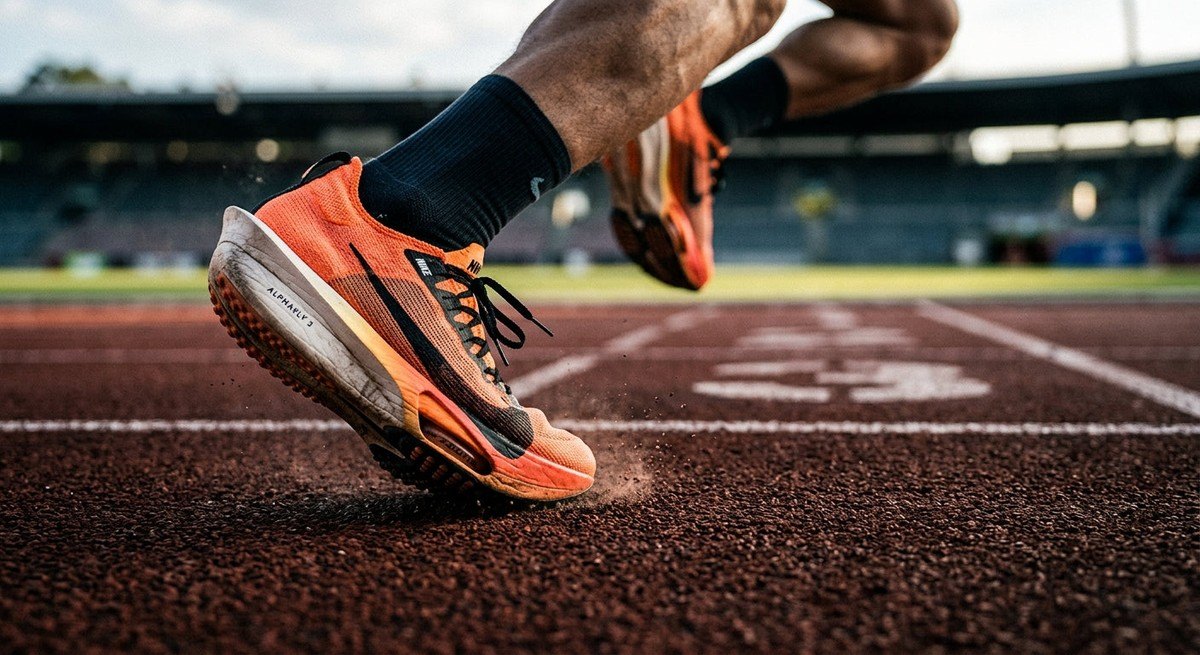
Do not rush the process. Start by incorporating your new footwear into one key session per week, such as your track intervals or hill repeats. Observe how your body recovers in the days following these sessions. If you feel excessive soreness in your calves or Achilles, scale back the frequency. Patience is the hallmark of a wise athlete who intends to remain at the top of their game for years to come.

Pace stuck in a training plateau?
If your times haven't dropped in months, you likely need a new stimulus. We've trained our AI coach, Raye, on elite programmes to help you break through. Jump in with no sign-up and ask, for instance: 'What is the best threshold session to improve my 10K pace?' Discover ways to break your plateau.
Top Picks for 2026
In our current market, the competition is fierce. The top-tier options focus on lightweight mesh uppers that provide a secure fit, ensuring your centre of gravity remains stable during tight cornering. Whether you prefer a shoe with a rocker geometry or a more traditional flat profile, the 2026 catalogue offers something for every foot shape. Look for models that prioritise breathability, as heat management is crucial during intense summer track sessions.
Remember that the lifespan of these premium shoes is shorter than your daily trainers. The high-performance foam will eventually lose its springiness. Track your mileage carefully; once you notice a degradation in responsiveness, it is time to retire them to your rotation for lighter recovery runs. Maintaining your gear is a professional habit that separates the amateur from the serious competitor.
10 alternative training techniques
- Hill Sprints: Hill sprints are an exceptional way to build explosive power and improve your running form without the heavy impact of track running. By running uphill at maximum intensity, you engage the posterior chain and encourage a high knee lift. This technique builds core strength and improves your running economy over time.
- Fartlek Training: Originating from the Swedish word for speed play, Fartlek training involves unstructured bursts of speed during a regular run. This method improves your aerobic capacity and teaches your body to recover while still moving at a brisk pace. It is an excellent psychological tool for learning to manage discomfort during races.
- Plyometric Drills: Incorporating box jumps, skipping, and bounds into your weekly routine will enhance your reactive strength. Plyometrics train your nervous system to produce force rapidly, which is essential for increasing your stride frequency. When your muscles can store and release energy more efficiently, your overall running speed will naturally increase.
- Tempo Intervals: Tempo intervals involve sustained efforts at your lactate threshold pace. This training helps your body become more efficient at clearing lactate from your bloodstream, allowing you to sustain high-intensity efforts for longer durations. It is the gold standard for half-marathon and marathon runners looking to improve their sustained speed.
- Strength and Conditioning: A robust strength training programme is non-negotiable for the serious runner. Focus on single-leg exercises like lunges and step-ups to correct imbalances. Strengthening the glutes and core provides a stable platform for your legs to push off from, which directly translates to a more powerful and efficient stride.
- Interval Training: Classic track intervals remain the most effective way to sharpen your top-end speed. By alternating hard efforts with short recovery periods, you push your heart rate into the anaerobic zone. This stimulates physiological adaptations that enhance your VO2 max and overall cardiovascular efficiency, making you a faster runner.
- Cadence Drills: Increasing your step rate can reduce the impact forces on your joints and improve your running economy. Use a metronome app to practice running at 180 steps per minute. By shortening your stride and increasing your cadence, you will find it easier to maintain speed and avoid the dreaded over-striding.
- Recovery Runs: Paradoxically, running slowly is essential for getting faster. Recovery runs help flush out metabolic waste and promote blood flow to tired muscles without adding excessive stress to your nervous system. These runs ensure you are fresh enough to attack your next high-intensity session with full focus and energy.
- Dynamic Stretching: Before any speed session, replace static stretching with dynamic movements. Leg swings, high knees, and butt kicks increase your core body temperature and prime your muscles for the explosive movements required during track work. This simple habit significantly reduces the risk of injury while improving your range of motion.
- Running Drills: A-skips, B-skips, and high-knee drills are fundamental for refining your mechanics. These movements isolate specific phases of the gait cycle, helping you develop a more efficient and fluid stride. By consistently practising these drills, you will correct inefficiencies that may be holding you back from your true speed potential.


