

TPU Inner Tubes vs. Tubeless: The 2026 Cycling Tech Debate


Dealing with a nagging injury or tightness?
Get instant recovery guidance, stretching protocols, and rest advice right now without leaving the site. Try asking Raye: 'What are the best stretches to relieve tight calves after a long run?' Get recovery advice
The Evolution of Rolling Resistance
The cycling industry has reached a fascinating juncture in 2026. For years, the debate surrounding tyre technology was dominated by the simple binary of clincher versus tubular. Now, the conversation has shifted towards the sophisticated rivalry between Thermoplastic Polyurethane (TPU) inner tubes and the long-standing tubeless setup. As performance-minded cyclists seek every marginal gain, understanding the nuances of these two systems is paramount.
TPU tubes have surged in popularity, promising the weight savings of latex with the robustness of butyl. Conversely, tubeless systems remain the gold standard for puncture protection and low-pressure versatility. This guide dissects the mechanics, maintenance, and real-world performance of both options to help you decide which belongs on your race machine.
What do I need to buy
If you are venturing into the TPU ecosystem, the barrier to entry is remarkably low. You will require TPU-specific inner tubes, which are significantly lighter and more compact than standard butyl alternatives. It is essential to purchase a dedicated TPU-compatible tyre lever, as the material can be sensitive to sharp edges. Additionally, ensure your pump is compatible with the valve stems, which are often made of reinforced plastic or metal.
For the tubeless convert, the shopping list is more extensive. You require tubeless-ready (TLR) tyres, high-quality rim tape, and tubeless-specific valves. Furthermore, you must invest in a reliable tubeless sealant, which acts as the lifeblood of the system. A tubeless-compatible floor pump or an air booster canister is also vital to seat the tyre bead against the rim hook effectively.
Why Should I invest?
Investing in the right tyre system is the most cost-effective way to improve your bike's handling and speed. TPU tubes offer a compelling argument for weight-weenies and those who frequently swap tyres for different road conditions. They provide excellent rolling resistance and take up minimal space in your saddlebag, making them the ultimate emergency spare.
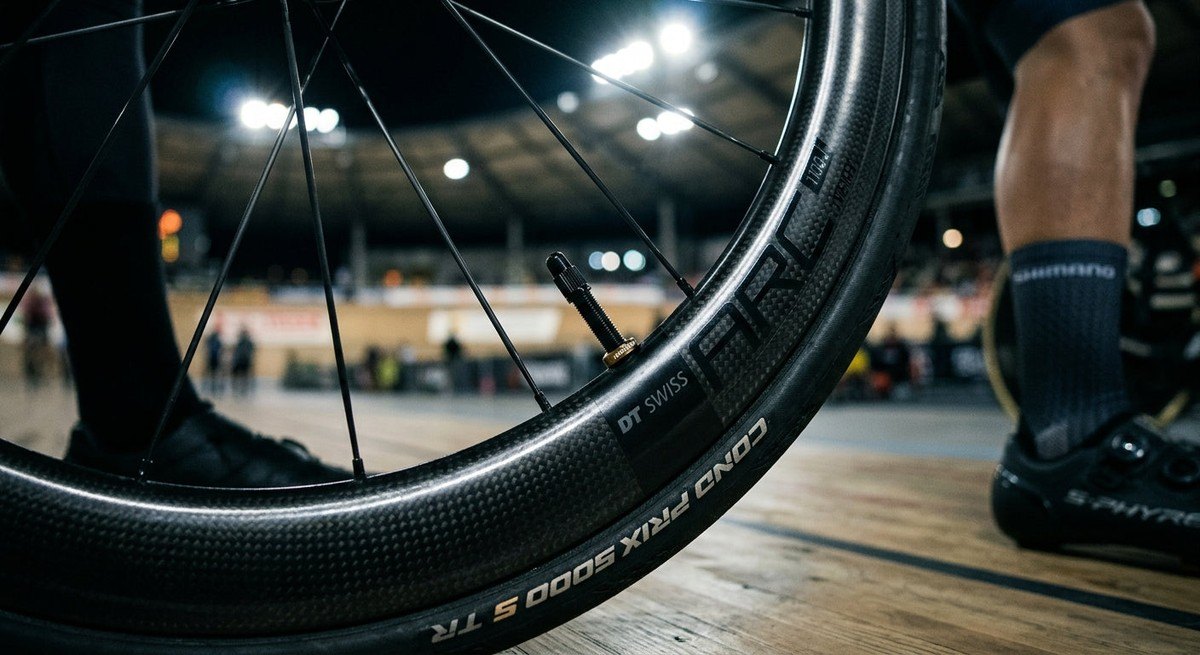
Tubeless systems, however, represent an investment in peace of mind. By eliminating the inner tube, you effectively remove the risk of pinch flats. The ability to run lower pressures enhances traction and comfort, particularly on the rougher tarmac and gravel surfaces prevalent in the British countryside. For long-distance endurance riders, the self-healing properties of tubeless sealant are an invaluable asset.
What are the press saying?
Cycling journals have been vocal about the emergence of 'super-TPU' compounds in 2026. Critics have noted that while TPU tubes offer near-tubeless performance, they lack the puncture-sealing capability of liquid sealant. Most industry experts agree that TPU is the perfect bridge for those who are intimidated by the messiness of tubeless maintenance but still demand high-performance weight savings.

Have a quick training or recovery question?
Get fast expert advice right here on the page—no sign-up, account, or app needed. Try asking Raye: 'What's the best way to relieve tight calves after a run?' Ask a question now
What are the review sites saying?
Public sentiment on major forums remains divided. Verified reviews frequently praise tubeless setups for their 'supple feel' during cornering, though many users report frustrations with messy sealant changes and difficult initial installations. Conversely, TPU tubes are receiving high marks for their ease of use, with testers confirming they are the fastest way to upgrade a standard clincher wheelset without purchasing new rims.
The consensus suggests that if your local terrain is littered with debris, tubeless remains the superior choice for reliability. However, for those riding on pristine race circuits or looking for a lightweight climbing setup, the latest generation of TPU tubes is widely considered the breakthrough technology of the year.
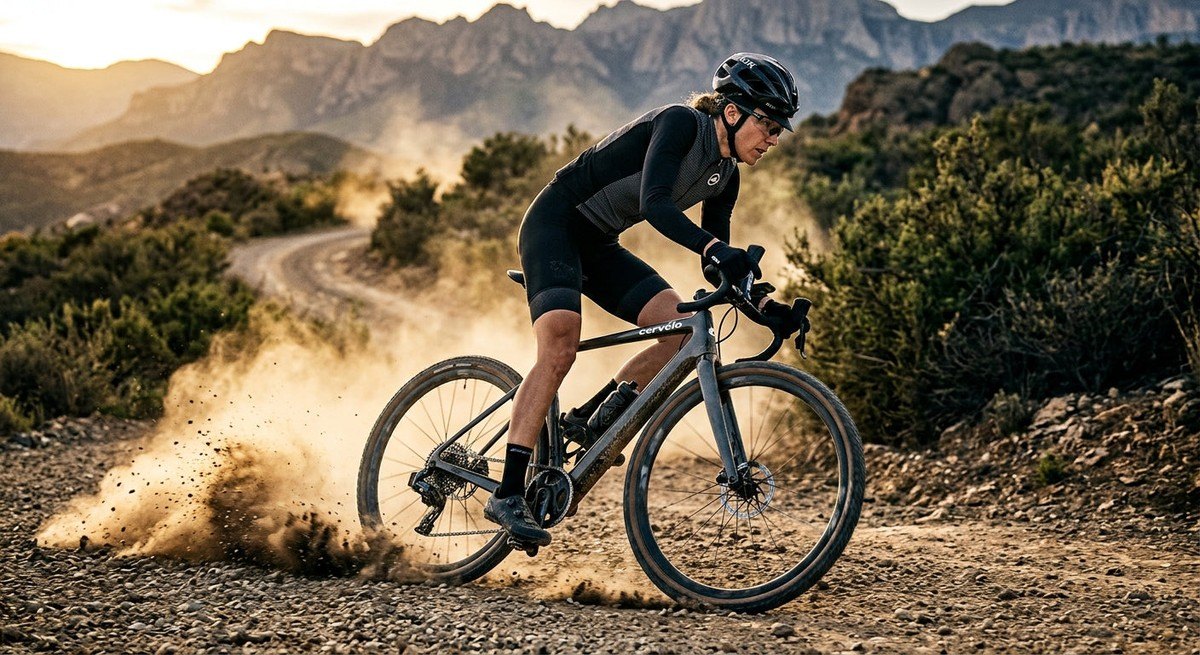
Ultimately, the choice depends on your specific cycling discipline. Road racers looking to save grams on every climb will likely gravitate toward TPU. Gravel enthusiasts and endurance riders, who prioritise comfort and flat protection above all else, will find it difficult to move away from the proven efficacy of a tubeless system.
Regardless of your choice, the quality of your tyre choice is just as important as the inner system itself. Always ensure your tyres are rated for the pressure you intend to run and periodically check your rim tape for signs of wear. The technology is evolving rapidly, and staying informed is the best way to ensure your bike performs at its peak.
