

Smith Wildcat vs. Shift Split Mag: Premium Trail Optics Tested


Want to build strength to support your running?
Get targeted strength routines and mobility exercises designed specifically for runners directly on-site. Try asking Raye: 'What are 3 key gym exercises to improve running economy?' Get strength tips
The Clash of the Titans
In the high-stakes arena of mountain biking and trail running, visibility is not merely a luxury; it is a fundamental safety requirement. As speeds increase and terrain becomes more technical, the choice of optics determines how accurately a rider perceives depth, texture, and potential hazards. The rivalry between the Smith Wildcat and the Shift Split Mag represents a pinnacle of optical engineering, forcing athletes to choose between maximum coverage and modular versatility.
Both frames aim to conquer the challenging light conditions of the British countryside, where shifting cloud cover and dappled woodland shadows test the limits of even the most advanced lens technology. To decide which pair deserves a spot in your kit bag, we have rigorously tested both models across a variety of terrains.
What do I need to buy
When investing in premium optics, you are essentially buying into a system. For the Smith Wildcat, you are purchasing a full-coverage, shield-style frame that prioritises maximum eye protection and peripheral vision. The package typically includes the frame, a hard-shell case, and a secondary low-light lens for grey, overcast days.
Conversely, the Shift Split Mag is built around a proprietary magnetic interchange system. Your purchase here includes the primary frame, a selection of lenses, and a microfibre bag that doubles as a cleaning cloth. Before committing, ensure you have measured your face width, as the fit profiles of these two models are distinct; the Wildcat offers a more robust, wrap-around feel, while the Split Mag provides a slightly more refined, adjustable fit.
Why Should I invest?
Investing in high-end eyewear is an investment in your performance longevity. Both models utilise ChromaPop lens technology, which filters specific wavelengths of light to enhance colour definition and clarity. For the serious athlete, this means distinguishing between a root, a rock, or a patch of mud in a split second, potentially preventing a catastrophic crash.
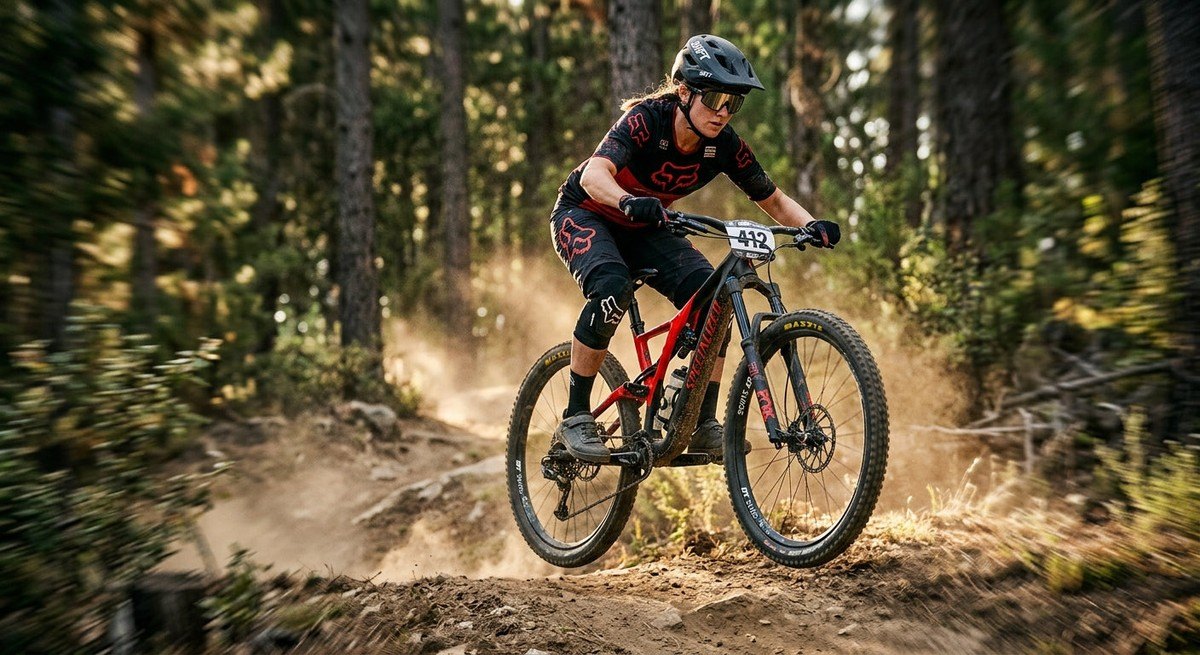
Beyond the lens, the frame construction is designed to withstand the rigours of the trail. Whether it is the impact resistance of the Wildcat or the clever ventilation pathways of the Split Mag, these glasses are engineered to remain fog-free during high-exertion climbs, ensuring your vision remains crystal clear when it matters most.
What are the press saying?
Industry critics have been largely unanimous in their praise for the Smith Wildcat’s sheer coverage. Leading cycling journals have noted that its massive lens profile provides an unobstructed field of view that is arguably the best in its class. There is a confirmed consensus that the Wildcat is the preferred choice for those who frequent dusty, high-speed trails where debris protection is paramount.

Have a specific performance goal in mind?
Get direct feedback on your training targets right here on the page—no sign-up or account required. Try asking Raye: 'How should I adjust my weekly mileage for a sub-20 minute 5K?' Ask about your goals
In contrast, the press has highlighted the Shift Split Mag for its innovative magnetic lens-swap mechanism. Reviewers have lauded the speed with which one can transition from a bright sun lens to a clear option, a feature that is currently considered the gold standard for versatility. While some critics have questioned the long-term durability of the magnetic seals, early testing suggests they are robust enough for standard mountain bike use.
What are the review sites saying?
Public sentiment on major review platforms and forums like Pinkbike and Singletrack suggests a clear divide based on usage. Users consistently report that the Wildcat is the 'set it and forget it' option, with many praising the rubberised nose pads and temple grips for keeping the frame secure during technical descents. However, some users with smaller faces have noted that the Wildcat can feel slightly oversized.

The review discourse surrounding the Split Mag often centres on its sophisticated aesthetic. Many forum contributors claim that the ability to change lenses without touching the glass surface is a game-changer for those who are prone to smudging their optics. While rumours persist about the potential for lens detachment during extreme impacts, verified user reports indicate that the magnetic strength is more than sufficient for aggressive trail riding.
The Verdict: Which to Choose?
Choosing between the Smith Wildcat and the Shift Split Mag is ultimately a matter of your specific athletic needs. If you are a downhill enthusiast or a trail runner who prioritises maximum coverage and protection against wind and grit, the Smith Wildcat is the definitive choice. It is a workhorse that feels indestructible.
If, however, you are a cross-country rider or a runner who encounters wildly fluctuating light conditions and values the convenience of rapid lens switching, the Shift Split Mag will serve you better. Its modular nature allows for unparalleled adaptability, ensuring you never have to compromise on visual clarity, regardless of the weather conditions.
Ultimately, both models represent the cutting edge of sports optics. By selecting the pair that aligns with your riding style and fit preferences, you ensure that your eyes are protected, your vision is sharpened, and your focus remains locked firmly on the trail ahead. Do not settle for substandard optics; your performance depends on what you see.
