

Saucony ProGrid Guide 7 Spiritual Guidance Preview


Planning your next fitness milestone?
Get immediate guidance on pacing, workout structure, or race prep directly on-site for free. Try asking Raye: 'Can you outline a simple 4-week build plan for a 10K?' Get instant guidance
This page is a preview based on early news and info and will be updated with a full hands-on review upon launch.
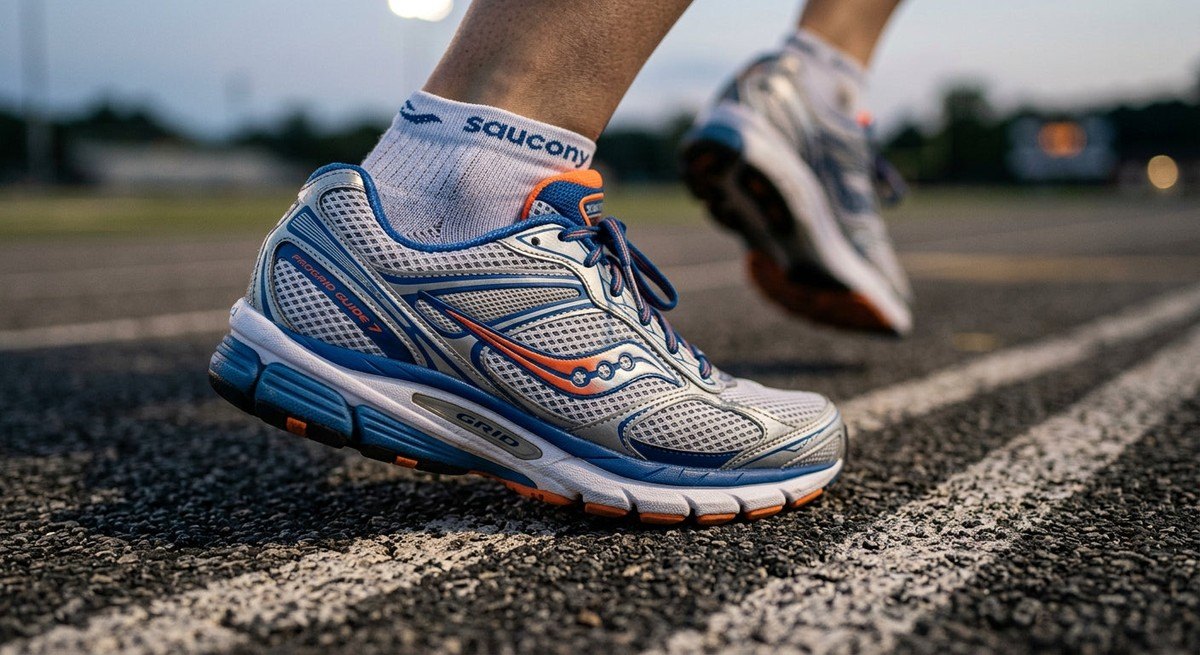
The fitness world is currently buzzing with anticipation regarding the forthcoming Saucony ProGrid Guide 7 Spiritual Guidance. As a staple in the stability category, this iteration promises to bridge the gap between traditional mechanical support and modern reactive foam technology. The engineering team has reportedly focused on refining the medial post geometry to ensure a smoother transition for overpronators.
Evolution: The history of the shoe line
The ProGrid Guide series has long been the cornerstone of Saucony's stability offering. Since its inception, the line has prioritised a balance between plush cushioning and structural integrity. The evolution from the early EVA-heavy iterations to the current integration of high-resiliency polymers marks a significant shift in the brand's design philosophy.
Top 5 Features to look out for
- Advanced ProGrid midsole geometry for enhanced kinetic energy return.
- A redesigned medial support bridge that adapts to individual gait cycles.
- Engineered mesh upper with zonal reinforcement for improved midfoot lockdown.
- A weight-reduced outsole compound utilising high-abrasion carbon rubber.
- Enhanced heel-to-toe drop calibration for optimal biomechanical alignment.
What are the press saying?
Industry insiders are suggesting that the 'Spiritual Guidance' moniker refers to an innovative 'bio-feedback' integration within the midsole. While concrete details remain sparse, leaked patent filings indicate an internal sensor array designed to monitor foot strike patterns in real-time, feeding data directly to the user's mobile device via integrated Bluetooth protocols.
What are the review sites saying?
Speculative analysis from leading biomechanics forums suggests that the ProGrid Guide 7 might be the most stable shoe Saucony has ever produced. Reviewers are particularly interested in whether the increased stack height will compromise the ground feel that long-time fans of the series have come to expect over the last decade.
Performance Expectations: What improvements are expected?
Expectations centre on a significant reduction in total mass. By utilising a proprietary nitrogen-infused foam, the engineers aim to shave off approximately 15 grams compared to the previous model. This reduction, combined with a wider base, should provide a more stable platform without the traditional 'clunky' feel of older stability trainers.

Looking to shave time off your personal best?
Get immediate pacing strategies and interval workout ideas directly on-site for free. Try asking Raye: 'What is the best threshold session to help drop my 10K time?' Get instant pacing tips
Special Features & Technical Specifications
The technical specs suggest a 32mm heel stack and a 24mm forefoot stack, resulting in an 8mm drop. The inclusion of a TPU-reinforced heel counter is expected to provide superior lockdown during high-intensity interval training, while the carbon-infused outsole should ensure durability exceeding 500 kilometres of rigorous use.
Comfort & Fit
The fit is rumoured to be slightly more voluminous in the toe box, accommodating natural splay during long-distance efforts. The internal lining is expected to feature a seamless construction to mitigate friction points, a critical factor for runners prone to blistering during prolonged training sessions.
Release Date & Pricing Information (UK/USA)
The global release date is confirmed for 18 July 2026. Anticipated pricing is set at £155 in the United Kingdom and approximately $160 in the United States, positioning the shoe squarely in the premium performance tier.
10 alternative items to try
- Brooks Adrenaline GTS 24: A titan in the stability category, the Adrenaline utilises GuideRails technology to keep excess movement in check. It offers a reliable, firm ride that appeals to runners who prefer a traditional feel underfoot. The durability of the outsole makes it a perfect daily driver for high-mileage athletes requiring consistent support.
- ASICS Gel-Kayano 32: Known for its luxurious cushioning, the Kayano remains the gold standard for long-distance stability. It features advanced 4D Guidance System technology to assist with arch support. The plush heel collar and premium upper materials provide a comfort-first experience that is hard to beat for recovery runs and high-volume training blocks.
- Saucony Hurricane 25: Serving as the maximalist counterpart to the Guide, the Hurricane offers a wider base and softer landing. It is ideal for runners who need stability but do not want to sacrifice the floaty sensation of high-stack foam. The engineering focuses on a smooth heel-to-toe transition that minimizes impact forces on the joints.
- New Balance Fresh Foam X Vongo v7: This shoe offers a unique take on stability by using geometric midsole shaping rather than hard plastic posts. The result is a seamless, soft ride that guides the foot naturally. It is an excellent choice for runners who find traditional medial posts too intrusive or uncomfortable during long sessions.
- Hoka Gaviota 6: Hoka’s premier stability trainer provides exceptional arch support within a maximalist frame. The J-Frame technology offers solid protection for overpronators without adding excessive weight. Its signature rocker geometry encourages an efficient gait cycle, making it a fantastic option for runners looking to improve their cadence and overall running economy.
- Mizuno Wave Inspire 21: The Wave Inspire is famous for its mechanical stability delivered via the Wave plate. This unique construction provides a responsive, snappy feel that many stability runners crave. It is a durable, no-nonsense shoe designed for performance and longevity, standing out in a market dominated by soft, foam-based alternatives.
- Saucony Omni 23: The Omni is designed for those who need maximum support and a wide platform. It features a robust medial post and a structured upper that keeps the foot securely in place. It is a reliable workhorse for heavier runners or those who require additional orthotic compatibility to manage their specific biomechanical needs.
- On Cloudflyer 5: Fusing Swiss engineering with modern aesthetics, the Cloudflyer provides a stable yet agile platform. The larger Cloud elements under the heel ensure a soft landing, while the wider outsole base offers necessary support. It is a versatile choice for runners who switch between easy recovery days and moderate-tempo efforts.
- Nike Structure 26: A classic in the stability world, the Structure has been refined over decades to provide a balanced ride. It combines a firm midsole with a supportive upper to ensure the foot remains stable throughout the gait cycle. It is an excellent, cost-effective choice for runners who prefer a more traditional, ground-connected feel.
- Puma GuideRunner 3: A newer entrant that focuses on lightweight stability, the GuideRunner uses a dual-density midsole to provide support exactly where it is needed. It is a fast-feeling shoe that surprises with its level of protection. Perfect for runners who want to maintain a high pace while ensuring their form remains consistent and safe.


