

Salomon Genesis 2 Preview


Want to build strength to support your running?
Get targeted strength routines and mobility exercises designed specifically for runners directly on-site. Try asking Raye: 'What are 3 key gym exercises to improve running economy?' Get strength tips
This page is a preview based on early news and info and will be updated with a full hands-on review upon launch.
The trail running world is abuzz with the impending arrival of the Salomon Genesis 2. As a successor to one of the most versatile mountain shoes on the market, the pressure to refine rather than reinvent is palpable. Early leaks suggest a focus on structural integrity and refined energy return, targeting the high-performance segment of the ultra-running community.
Evolution: The history of the shoe line
The Genesis line was born from the need for a 'do-it-all' mountain shoe that bridged the gap between the technical S/Lab series and the more accessible Sense Ride collection. The original Genesis prioritised a balance of protection and ground feel, utilising a robust Matryx upper that stood up to the harshest scree fields. It quickly became a favourite for those who demanded durability without the weight penalty of traditional alpine boots.
Top 5 Features to look out for
- Updated Matryx EVO upper for enhanced breathability and structural rigidity.
- Refined Energy Foam midsole compound for increased energy return over long distances.
- Deepened 4.5mm lug geometry on the Contagrip outsole for superior traction in mud.
- Optimised Quicklace system with a lower-profile storage pocket.
- Improved heel lockdown geometry to prevent slippage on steep, technical descents.
What are the press saying?
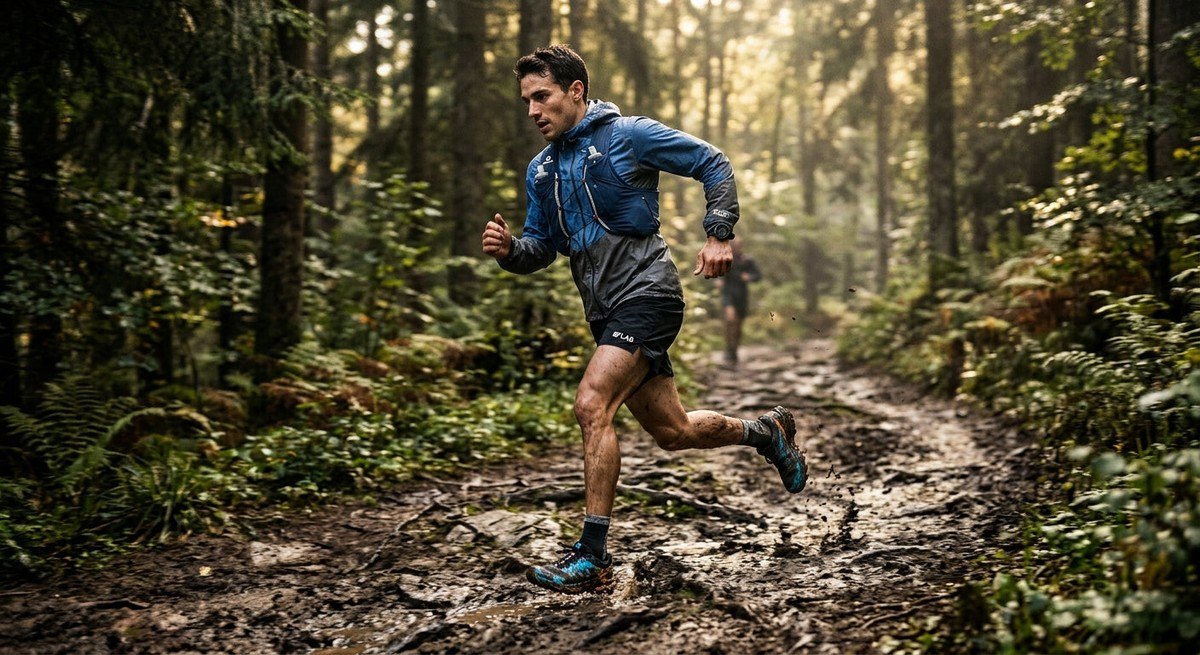
Initial press releases have been sparse, yet industry insiders are hinting at a significant shift in the midsole geometry. Journalists who have caught glimpses of the prototype at trade shows suggest a wider platform at the forefoot, aiming to increase stability during fatigue-induced gait changes. The consensus is that Salomon is moving away from the narrow, precision-fit aesthetic toward a more inclusive, high-performance stance.
What are the review sites saying?
Speculation across enthusiast forums is currently fixated on the weight reduction. Early reports suggest a target weight of under 270g for a UK size 8.5. Reviewers are cautiously optimistic, waiting to see if the reduction in weight compromises the legendary durability that the original model provided. The debate remains centred on whether the foam density will remain firm or pivot towards the softer, more compliant feel seen in the S/Lab Ultra 3.
Performance Expectations: What improvements are expected?
The primary expectation is a more dynamic transition through the gait cycle. By refining the rocker profile, the Genesis 2 is expected to facilitate a faster toe-off, which is critical for technical climbing. Furthermore, internal testing leaks suggest a 15% increase in energy return compared to the previous iteration, which would be a game-changer for 100-mile racing.

Have a specific performance goal in mind?
Get direct feedback on your training targets right here on the page—no sign-up or account required. Try asking Raye: 'How should I adjust my weekly mileage for a sub-20 minute 5K?' Ask about your goals
Special Features & Technical Specifications
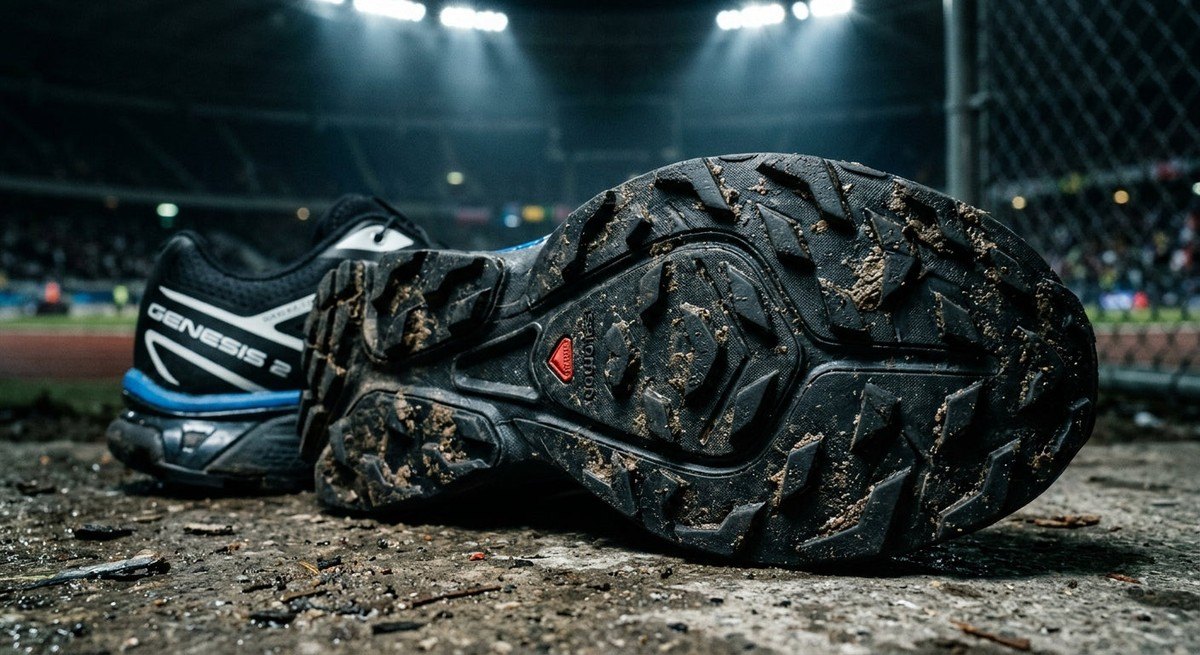
The technical specifications indicate a stack height of 30mm in the heel and 22mm in the forefoot, maintaining an 8mm drop. The use of a proprietary TPU-infused foam is the standout material science update, designed to resist compression set over hundreds of kilometres. The lug pattern has been re-engineered using a chevron design that prioritises braking on loose surfaces.
Comfort & Fit
Salomon is reportedly tweaking the 'Sensifit' architecture to be more adaptive. The aim is to accommodate varying foot volumes while maintaining the locked-in feel that trail runners require for confidence on technical terrain. Expect the tongue construction to feature a gusseted design to prevent debris ingress, a common pain point for long-distance mountain athletes.
Release Date & Pricing Information
While official dates are pending, industry sources anticipate a rollout in Q2 of the coming year. Pricing is expected to align with the premium tier of trail footwear, with an RRP of approximately £160 in the UK and $180 in the USA. Given the current supply chain climate, these figures remain subject to change.
10 alternative items to try
- Hoka Speedgoat 6: A benchmark for cushioned trail performance, this shoe offers a massive stack height and a sticky Vibram Megagrip outsole. It is perfect for runners who prioritise impact protection over absolute ground feel during long efforts.
- La Sportiva Akasha II: Renowned for its durability and protection, the Akasha is a tank of a shoe. It features a dual-density midsole that excels on rocky, technical mountain trails where stability is more important than speed.
- Saucony Peregrine 14: A versatile, aggressive option that excels in mud and soft terrain. Its low-profile design provides excellent ground feel and the PWRTRAC outsole offers best-in-class grip for those who need confidence on wet, slippery surfaces.
- Brooks Caldera 7: Designed for long-distance comfort, the Caldera features a nitrogen-infused midsole that provides a plush, responsive ride. It is an ideal choice for runners who prefer a wider fit and a stable platform for high-mileage training.
- Nike Ultrafly: Utilising a carbon plate and ZoomX foam, this is Nike's premier trail racer. It is built for speed and efficiency, making it the top choice for competitive runners looking to shave minutes off their mountain race times.
- Altra Lone Peak 8: Famous for its zero-drop platform and wide toe box, the Lone Peak provides a natural foot-splay experience. It is a favourite for long-distance hikers and runners who prefer a minimalist approach to foot mechanics.
- Inov-8 Trailfly G 270 V2: Featuring a graphene-enhanced outsole, this shoe offers unparalleled durability and grip. It is a lightweight, responsive option that is perfect for runners who want to feel the trail beneath their feet.
- Scarpa Ribelle Run: A high-precision mountain shoe designed for technical scrambles and steep terrain. It offers a secure, glove-like fit and a highly durable construction that can withstand the harshest alpine environments imaginable.
- ASICS Trabuco Max 3: A maximalist trail shoe that prioritises comfort and stability. It features a rockered geometry that helps propel the runner forward, making it an excellent choice for those who struggle with fatigue on long runs.
- New Balance Fresh Foam X Hierro v8: Combining a plush Fresh Foam midsole with a Vibram Eco-Step outsole, this shoe is built for long-distance comfort on varied terrain. It is a great all-rounder that balances cushioning with reliable traction.


