

ROKA Oslo 2.0 Preview


Dealing with a nagging injury or tightness?
Get instant recovery guidance, stretching protocols, and rest advice right now without leaving the site. Try asking Raye: 'What are the best stretches to relieve tight calves after a long run?' Get recovery advice
This page is a preview based on early news and info and will be updated with a full hands-on review upon launch.
The endurance sports eyewear sector is bracing for the arrival of the ROKA Oslo 2.0, a successor to a frame that arguably redefined the intersection of lifestyle aesthetics and hyper-performance functionality. As ROKA leans further into its Geko™ retention technology and advanced optical coatings, the Oslo 2.0 appears poised to challenge the status quo for athletes who refuse to compromise on visual clarity or structural integrity during high-intensity sessions.
Evolution: The history of the sunglasses line
The original Oslo model was lauded for its versatility, bridging the gap between a commuter-friendly silhouette and a race-day companion. Historically, ROKA has prioritised weight reduction and frame resilience. The evolution toward the 2.0 iteration signifies a shift from mere versatility toward extreme specialisation. While the first-generation frame utilised standard TR-90 nylon, technical leaks suggest the 2.0 may incorporate a proprietary composite blend aimed at increasing tensile strength while shaving off a further 1.5 grams of total mass.
Top 5 Features to look out for
- Geko™ Gen-II multi-directional grip pads for enhanced retention during heavy perspiration.
- Advanced anti-fog venting geometry integrated into the frame chassis.
- HPA (High-Performance Anti-reflective) lens coating for superior spectral clarity.
- Titanium-core adjustable temples for customisable fit across varying head shapes.
- Blue-light filtration efficiency improvements in the latest lens tint variations.
Performance Expectations: What improvements are expected?
The primary performance bottleneck in the previous iteration was lateral frame flex during high-velocity cycling. We expect the 2.0 to rectify this via a reinforced bridge geometry. Athletes are looking for a frame that remains static even under extreme vibrations. By optimising the centre of gravity closer to the hinges, the Oslo 2.0 should minimise bounce during technical trail runs.

Special Features & Technical Specifications
Engineering-wise, the anticipated specifications are impressive. We are tracking a sub-22-gram total weight target. The lens curvature is expected to follow an 8-base wrap, providing maximum peripheral coverage. The optical precision remains the headline; ROKA’s C3™ lenses are rumoured to feature an upgraded hydro-oleophobic treatment, ensuring that water, sweat, and oils bead off the surface with minimal residue.

Have a quick training or recovery question?
Get fast expert advice right here on the page—no sign-up, account, or app needed. Try asking Raye: 'What's the best way to relieve tight calves after a run?' Ask a question now
What are the press saying?
Industry insiders have pointed towards the Oslo 2.0 as a potential 'best-in-class' contender for multi-sport athletes. Press reports highlight ROKA’s recent investment in R&D facilities as a primary driver for the increased complexity of the frame design. The narrative suggests a focus on 'dynamic stability'—a term the brand has used in private press briefings to describe how the frame handles rapid shifts in kinetic energy.
What are the review sites saying?
While official units have not yet been distributed to independent reviewers, consensus among technical forums is bullish. Analysts are focusing heavily on the prospective durability of the lens-to-frame interface. Speculation is high that ROKA will adopt a rimless or semi-rimless lower chassis to widen the vertical field of view, a move that would prioritise sightlines for cyclists in aggressive 'drops' positions.
Comfort & Fit
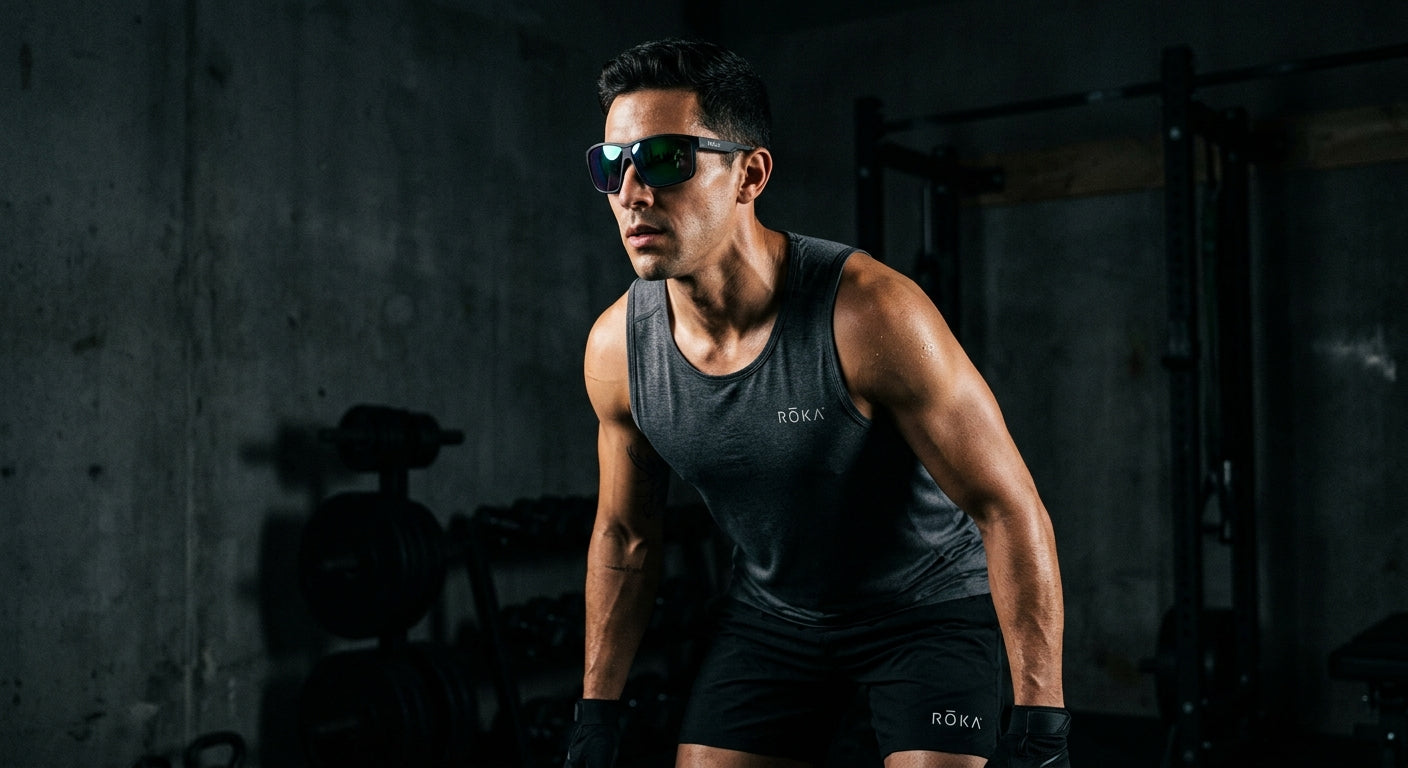
The comfort metrics of ROKA eyewear are largely dictated by their patented Geko™ pads. For the Oslo 2.0, we anticipate a softer durometer elastomer to increase surface contact area. The adjustable temple tips are expected to allow for granular control over the tension against the mastoid bone, a critical factor for long-distance triathletes who require a secure fit without experiencing pressure-point fatigue over five-hour sessions.
Release Date & Pricing Information (UK/USA)
The release window is currently targeted for the upcoming spring season. While official pricing remains under embargo, we expect the US MSRP to sit in the $200–$230 bracket, with UK pricing expected to reflect currency conversion and import duties, likely landing between £185 and £210. These figures reflect the premium material science involved in the manufacturing process.
10 alternative items to try
- Oakley Encoder Strike: These glasses are designed for maximum coverage and airflow. Utilising Prizm lens technology, they excel at high-contrast environments. The physics-based frame design reduces weight while offering a wide, panoramic view, making them a top-tier choice for professional road cyclists and high-performance runners needing stability at speed.
- 100% Hypercraft: Built with UltraCarbon™ technology, these are arguably the lightest sports performance sunglasses available. They offer remarkable strength-to-weight ratios. The rimless design ensures that nothing blocks your vision, particularly when looking upwards in an aerodynamic cycling position, providing an unobstructed experience for competitive speed-oriented activities.
- Smith Shift MAG: Featuring an innovative lens swap system, these provide versatility in changing light conditions. The frame includes two-position adjustable nose pads and proprietary ChromaPop™ lenses which filter light to provide incredible clarity and natural colour. They are highly reliable for mountain biking where lighting changes from forest to open trail.
- Bolle Chronoshield: Taking inspiration from iconic archival designs, these integrate modern performance features. They feature Phantom lens technology that adapts to varying light conditions. The frame geometry provides ample ventilation to prevent fogging, a major concern for endurance athletes dealing with changing temperatures and high humidity during intense, long-duration efforts.
- Scicon Aeroshade Kunken: These leverage Horizon Adapt™ technology, allowing for an adjustable nose piece to change the lens height relative to the face. This provides a custom field of vision, which is essential for athletes who adopt different head positions during varied terrain cycling or running. They remain incredibly stable under heavy sweating.
- Tifosi Rail: A budget-friendly, high-performance option that offers a rimless design to maximise airflow and prevent lens fogging. These are made from Grilamid TR-90, providing excellent durability and flexibility. They are designed for athletes who need a lightweight frame that doesn't compromise on optical clarity or peripheral vision requirements.
- POC Propel: Designed with a focus on aerodynamics, these sunglasses are shaped to reduce drag while maintaining an exceptional field of view. The clarity of the lens is optimised for road cycling, providing the necessary sharpness to spot road hazards quickly while ensuring that the frame remains comfortable during multi-hour rides.
- Adidas Sport SP0056: These provide a wrap-around fit that is incredibly secure, making them ideal for high-intensity movement. The lens vents allow for excellent airflow, which is critical for reducing humidity buildup behind the lens. They balance a sleek aesthetic with the rigorous technical requirements of top-tier professional athletic competition.
- Goodr Mach G: While more lifestyle-focused, these are surprisingly capable for short-duration running. They feature a non-slip grip coating that prevents bouncing and slipping even when wet. For the recreational athlete who wants a pair of sunglasses that transition well from a morning run to a social coffee, these are effective.
- Julbo Rush: Specifically engineered for cycling and endurance sports, these feature 3D-fit temples and a wrap-around design. The photochromic lens technology is among the best in the industry, reacting rapidly to light shifts. They are designed to stay perfectly in place, even when the wearer is sweating profusely during intense efforts.


