

Reebok Floatride Energy 7 vs Under Armour Velociti Pro 2: The Ultimate Hybrid Showdown


Planning your next fitness milestone?
Get immediate guidance on pacing, workout structure, or race prep directly on-site for free. Try asking Raye: 'Can you outline a simple 4-week build plan for a 10K?' Get instant guidance
The Rise of the Hybrid Trainer
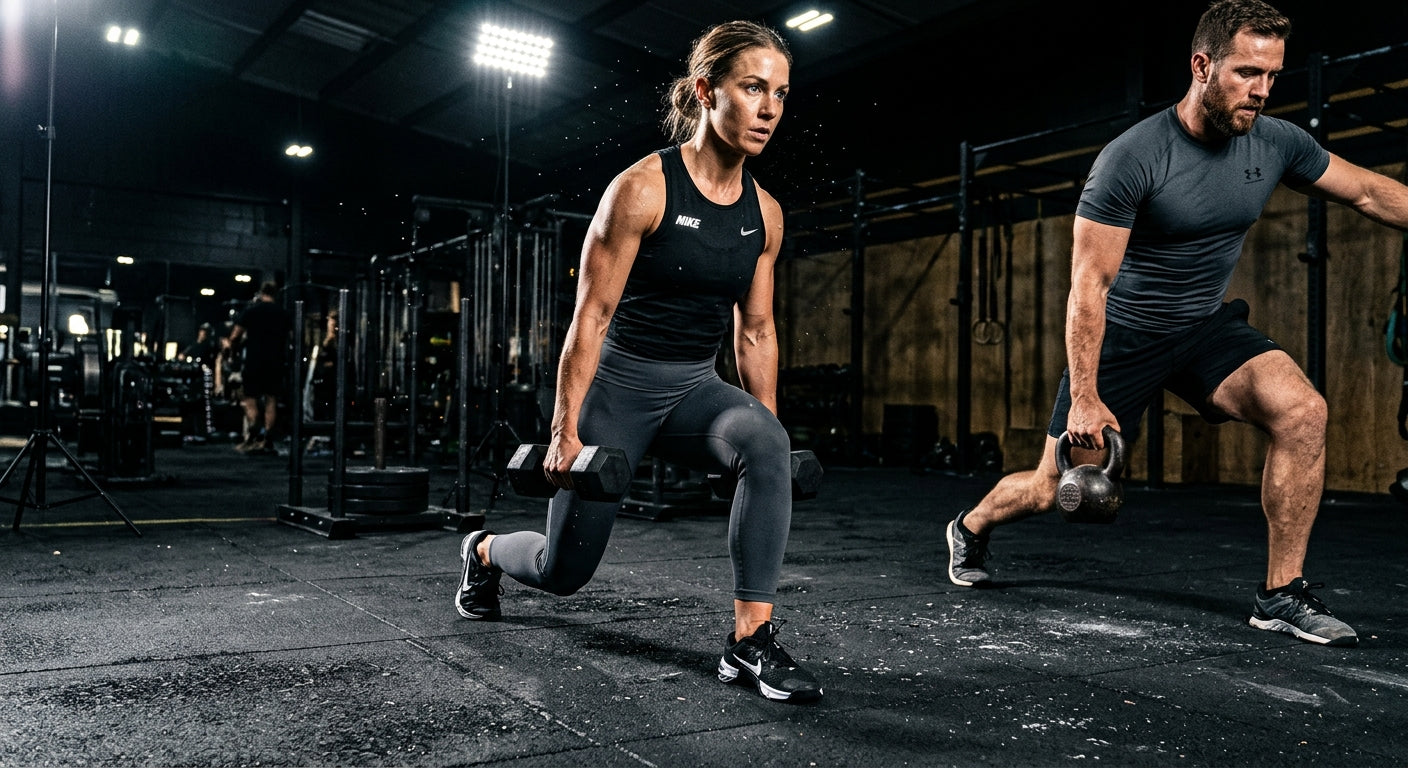
In the modern landscape of fitness, the hybrid athlete is no longer a niche curiosity but a dominant force. Whether you are transitioning from high-intensity treadmill intervals to heavy dumbbell circuits, the footwear requirement has shifted. You need a shoe that offers the propulsion of a racing flat with the lateral stability of a trainer. The Reebok Floatride Energy 7 and the Under Armour Velociti Pro 2 have emerged as the primary contenders for this demanding role.
The Reebok Floatride Energy 7 continues the lineage of a workhorse shoe, prioritising a balanced ride that feels just as home on a 5km run as it does during box jumps. Conversely, the Under Armour Velociti Pro 2 leans into a more aggressive, propulsive geometry, designed for those who prioritise speed and energy return above all else. Understanding the mechanics of these two models is essential for any athlete looking to optimise their training efficiency.
What do I need to buy
To fully capitalise on these shoes, your wardrobe should mirror the versatility of your footwear. Pairing these trainers with high-quality gear is paramount. For those intense sweat sessions, Sundried offers a range of versatile cross-training apparel and joggers that provide the necessary breathability and freedom of movement. Complementing your setup with moisture-wicking workout socks will prevent friction during lateral agility drills, ensuring your feet remain comfortable regardless of the intensity.
When selecting between these two, consider the surface density of your gym. If your facility features high-friction rubber flooring, the exposed foam of the Floatride Energy 7 might show premature wear compared to the strategic outsole rubber coverage of the Velociti Pro 2. Always ensure you have a clean pair designated for indoor use to maintain the integrity of the traction patterns.
Why Should I invest?
Investing in a dedicated hybrid shoe is a strategic move for injury prevention. Traditional running shoes often feature high stack heights that create instability during weightlifting, while basic trainers lack the cushioning required for impact-heavy treadmill work. By choosing a model engineered for both, you reduce the risk of ankle rolls during heavy lifts and alleviate joint stress during running segments.
Beyond performance, the durability factor is significant. Both models utilise advanced TPU-based foams that maintain their structural integrity over hundreds of miles. While the initial cost may be higher than entry-level footwear, the longevity of these materials ensures you are not replacing your gear every three months. It is an investment in your biomechanical health and consistent progress.

Looking to shave time off your personal best?
Get immediate pacing strategies and interval workout ideas directly on-site for free. Try asking Raye: 'What is the best threshold session to help drop my 10K time?' Get instant pacing tips
What are the press saying?
Industry critics have been quick to praise the Reebok Floatride Energy 7 for its incredible value-to-performance ratio. Journalists have noted that the refined upper provides a secure lockdown that rivals much more expensive models. The consensus is that Reebok has successfully maintained the shoe's identity as a reliable, no-nonsense trainer that refuses to overcomplicate the running experience.
Under Armour, meanwhile, has received plaudits for the aggressive rocker geometry of the Velociti Pro 2. Critics highlight that the shoe feels like a 'cheat code' for speed work, though some reports suggest the firm nature of the foam can be jarring during prolonged standing or static lifting sets. The general industry sentiment is that the Velociti Pro 2 is a performance-first shoe, whereas the Floatride is the ultimate versatile companion.
What are the review sites saying?
Public reviews on enthusiast forums paint a nuanced picture. Verified users often report that the Floatride Energy 7 is the superior choice for gym-goers who incorporate significant plyometrics, citing the wider base as a key factor in stability. Rumours continue to circulate regarding a potential midsole update for the next iteration, but for now, the current foam density remains a fan favourite for its predictable feedback.

In contrast, the Under Armour community is vocal about the Velociti Pro 2's outsole durability. While the rubber coverage is light, most users agree it holds up surprisingly well on asphalt and gym tracks alike. There is some speculation regarding the longevity of the upper mesh, with a few reports indicating it may fray if used heavily for rope climbs. However, for standard gym use, the shoe remains a highly recommended piece of kit for the speed-focused athlete.
Ultimately, the choice between these two powerhouses rests on your primary training objective. If your sessions are split 50/50 between lifting and running, the Reebok Floatride Energy 7 is the balanced standard. If you find yourself sprinting more than squatting, the Under Armour Velociti Pro 2 will provide the mechanical advantage you crave. Regardless of your choice, ensure your clothing, like the Sundried range, matches the performance standard of your new footwear.


