

Oakley Meta HSTN Preview


Trying to beat your local Strava segment goals?
Fine-tune your training strategies to hit your target stats without downloading another app. Try asking Raye: 'How can I structure hill repeats to build short-segment power?' Ask how to hit your target
This page is a preview based on early news and info and will be updated with a full hands-on review upon launch.
The fusion of wearable technology and high-performance optics reaches a new zenith with the anticipated Oakley Meta HSTN. As Oakley continues to integrate smart functionality into their iconic silhouettes, the fitness community watches with bated breath to see if this iteration can balance weight, battery density, and visual clarity without compromising the structural integrity that long-distance athletes demand.
Evolution: The history of the sunglasses line
The HSTN line began as a design-led experiment, prioritising a progressive aesthetic while maintaining the rigorous durability standards of Oakley's performance lineage. By blending the classic circular lens geometry with modern triggers, the brand created a frame that felt at home on both the track and the high street. The integration of Meta technology into this specific chassis suggests a shift towards a more seamless, integrated wearable experience rather than the bulky, peripheral-heavy designs of the past.
Top 5 Features to look out for
- Integrated heads-up display integration for real-time biometric data feedback.
- Proprietary Prizm lens technology calibrated for variable light conditions during high-speed movement.
- O-Matter frame construction optimised for extreme thermal stability and sweat resistance.
- Extended battery life architecture designed for ultra-endurance training sessions.
- Unobtainium nose pads and ear socks ensuring a non-slip fit during high-intensity interval training.
Performance Expectations: What improvements are expected?
Athletes are anticipating a significant reduction in total frame mass, despite the inclusion of internal circuitry. Current leaks suggest a move towards a high-density polymer matrix that keeps the centre of gravity low, preventing the dreaded bounce common in heavier wearable tech. The focus remains on optical fidelity; we expect the Meta interface to overlay data without obstructing the wearer's field of vision during technical descents or rapid sprint cycles.
Special Features & Technical Specifications
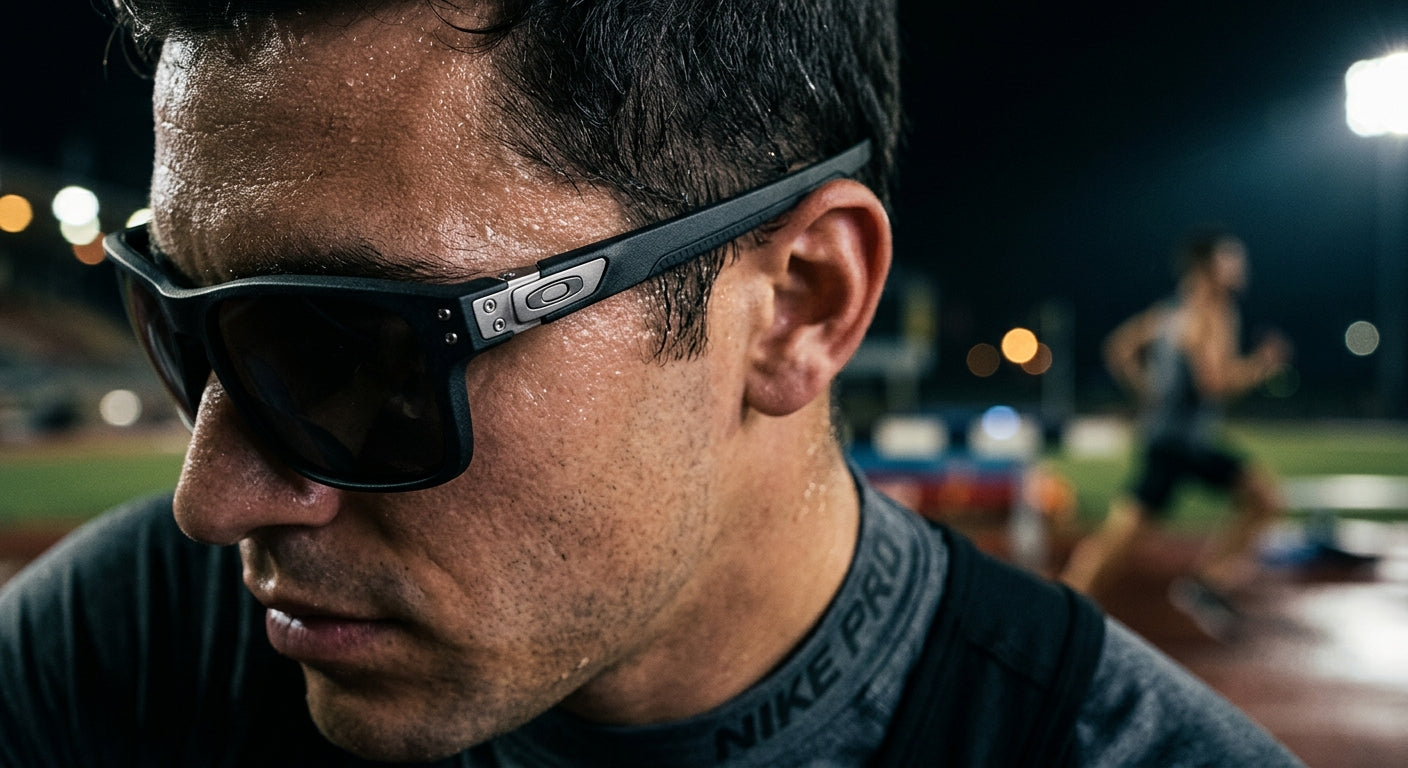
The technical specifications point towards a highly refined audio-visual experience. Rumours indicate a directional speaker array that minimises sound leakage, allowing the user to maintain situational awareness in urban environments. The optical stack is expected to utilise a lightweight polycarbonate base with an anti-fog coating that maintains its hydrophobic properties even under high-humidity conditions.

Hit a wall with form, pacing, or fatigue?
Skip searching forums. Chat directly on this page with our performance coach to solve training issues in seconds: 'How do I prevent side stitches on long runs?' Troubleshoot your run
Comfort & Fit
Ergonomics are central to the Oakley design philosophy. The Meta HSTN is expected to feature a three-point fit system that distributes pressure evenly across the temples and bridge. By adjusting the internal weight distribution to counteract the battery module, Oakley aims to provide a neutral balance that feels indistinguishable from a standard, non-smart frame. This is critical for users who spend three or more hours in the saddle or on the trail.
What are the press saying?
Tech and fitness publications have been largely positive regarding the design direction. Journalists have noted that the leaked CAD schematics show a remarkably slim profile, challenging the notion that smart eyewear must be inherently cumbersome. The consensus is that if the battery density meets the reported benchmarks, this could represent a paradigm shift in how runners and cyclists interact with their metrics.
What are the review sites saying?
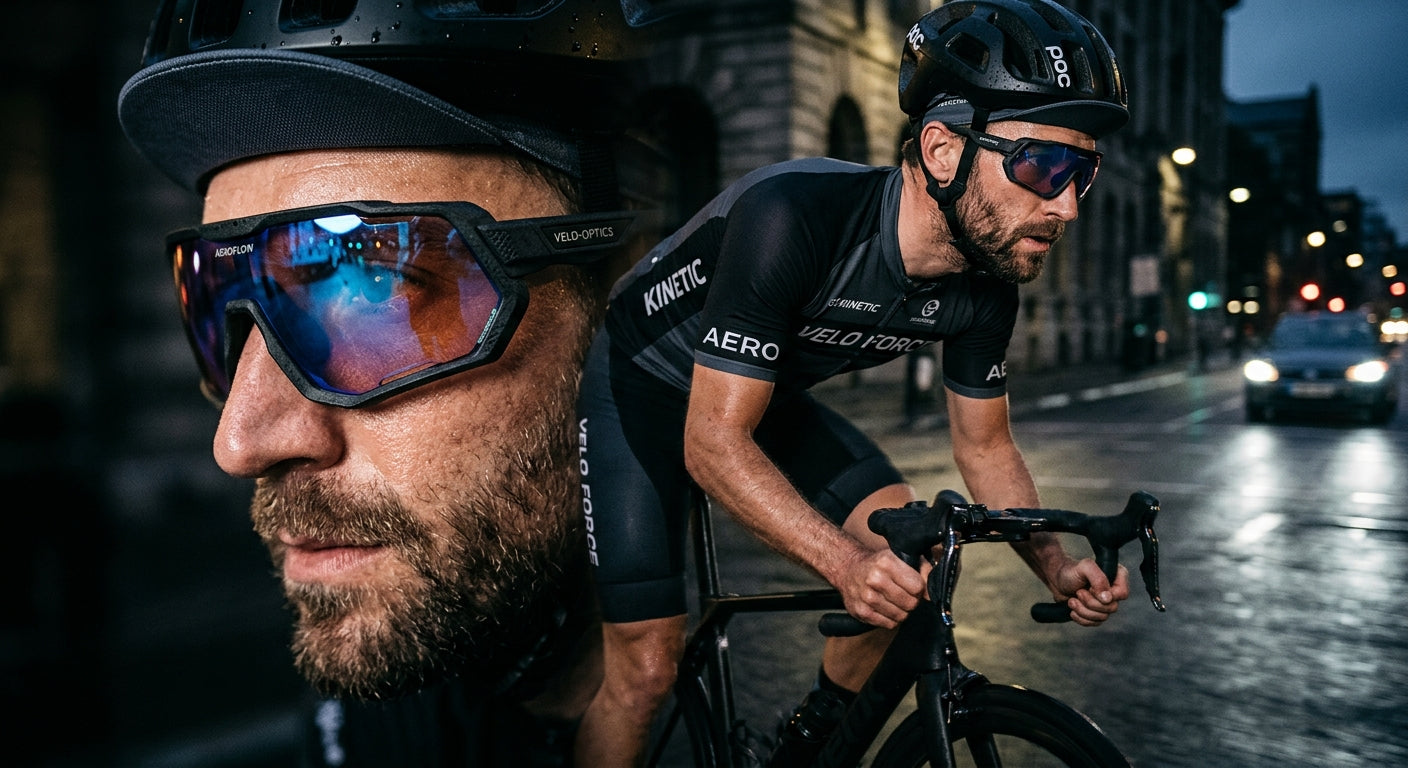
Early speculation from performance-focused review sites centres on the interoperability of the Meta software. Experts are questioning how the device will synchronise with existing fitness ecosystems like Strava or Garmin. The primary concern among testers is the heat dissipation of the internal components during high-intensity outdoor activities, a factor that will be rigorously tested once the units are released.
Release Date & Pricing Information
While an official global launch date remains under wraps, industry analysts expect a staggered release starting in the USA and UK markets. Pricing is speculated to sit within the premium tier, reflecting the advanced sensor suite and material science involved. Consumers should prepare for a launch window in the third quarter, with pre-orders likely to open shortly after the official press event.
10 alternative items to try
- Oakley Radar EV Path: A staple for cyclists, these provide unparalleled peripheral vision and ventilation for high-velocity sports. The O-Matter frame is incredibly robust.
- Smith Shift MAG: Featuring a rapid lens-swap system, these are perfect for athletes transitioning between bright sunlight and shaded forest trails.
- 100% Speedcraft: Favoured by pro peloton riders, these offer a massive field of view and excellent airflow, though they lack the integrated smart features of the Meta line.
- Roka Matador: These sunglasses excel in extreme comfort due to their lightweight design and advanced Geko grip technology for sweat-heavy conditions.
- Alba Optics Delta: A retro-inspired design that uses modern lens technology, providing a unique aesthetic for those who want performance without the futuristic look.
- POC Propel: Designed with aerodynamics at the forefront, these glasses are engineered to manage airflow around the rider's face for marginal gains.
- Tifosi Rail: A budget-friendly alternative that does not compromise on optical clarity, perfect for athletes who need a reliable workhorse for daily training.
- Julbo Density: Engineered for high-speed mountain sports, these feature photochromic lenses that adapt instantly to changing light, essential for alpine environments.
- Goodr Mach G: For those who need a low-cost, durable pair for casual running, these offer a secure fit and polarised lenses at a fraction of the cost.
- Bolle Chronoshield: Combining classic styling with modern lens tech, these are ideal for athletes who want a larger coverage area to protect against debris.


