

Nike Structure Plus Preview


Planning your next fitness milestone?
Get immediate guidance on pacing, workout structure, or race prep directly on-site for free. Try asking Raye: 'Can you outline a simple 4-week build plan for a 10K?' Get instant guidance
This page is a preview based on early news and info and will be updated with a full hands-on review upon launch.
The anticipation surrounding the Nike Structure Plus has reached a fever pitch within the biomechanics community. As the latest iteration in a long-standing line of stability-focused footwear, this model aims to bridge the gap between maximalist cushioning and structural integrity. Initial leaks suggest a complete overhaul of the midsole geometry, prioritising energy return without sacrificing the platform's signature arch support.
Evolution: The history of the shoe line
The Nike Structure series has served as the bedrock of the brand's stability category for over three decades. Historically, these trainers were defined by rigid medial posts and heavy-duty foam densities. However, the last three cycles have seen a shift toward dynamic support systems, replacing intrusive plastic components with intelligent, geometry-based stability that adapts to the runner's gait cycle rather than forcing a correction.
Top 5 Features to look out for
- Next-generation ZoomX foam integration in the forefoot for superior energy return.
- Redesigned wide-base geometry to enhance ground contact stability during heel strike.
- Engineered mono-mesh upper with high-tensile reinforcement zones for breathability.
- Decoupled crash pad for smoother heel-to-toe transitions.
- High-abrasion carbon rubber outsole compound for increased durability in wet conditions.
Performance Expectations: What improvements are expected?
Expectations are high regarding the weight-to-cushion ratio. Industry insiders suggest the shoe will shed approximately 15 grams compared to its predecessor, primarily due to advancements in foam aeration. The focus is on a more responsive ride that maintains the structural confidence users expect from the Structure franchise.
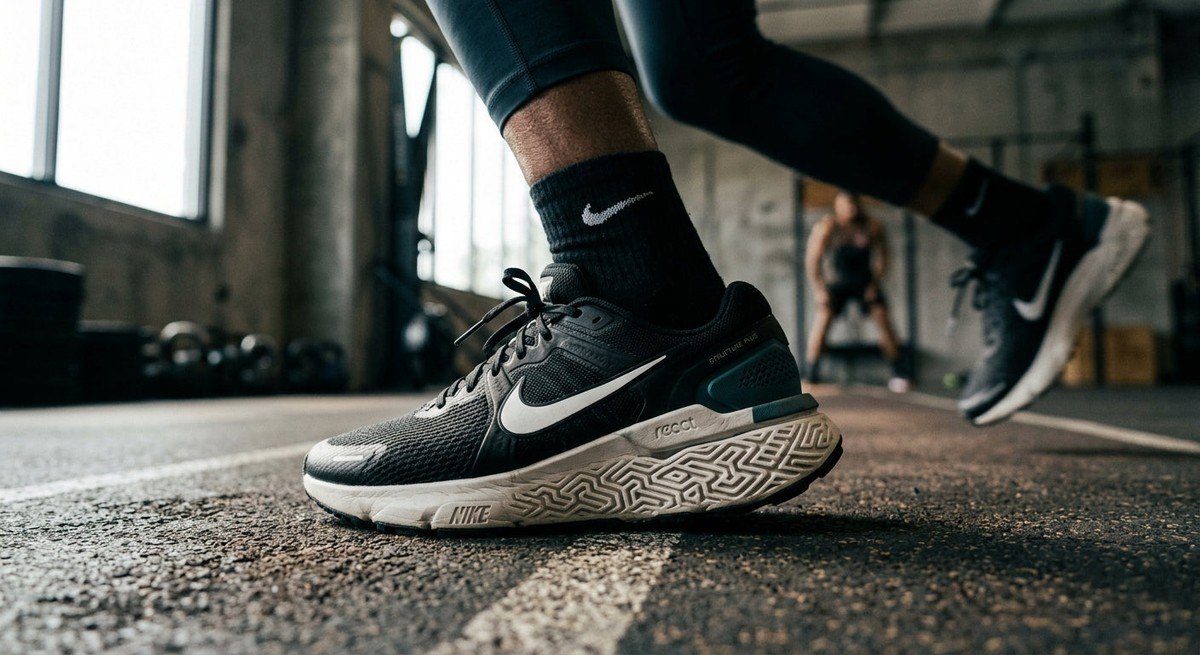
Special Features & Technical Specifications
Technical specifications circulating in leaked documentation point toward an 8mm drop, maintaining a sweet spot for both mid-foot and heel strikers. The inclusion of a full-length internal chassis is rumoured to assist in torsional rigidity, a critical factor for runners who over-pronate during high-intensity intervals. The material science involved in the upper aims to provide a lockdown fit that feels almost anatomical.
What are the press saying?
Athletic trade publications have highlighted the shoe's departure from traditional aesthetics. Many journalists are focusing on the 'aggressive' silhouette, suggesting that Nike is aiming to make the Structure Plus a viable option for speed work as well as daily mileage, effectively challenging the perception that stability shoes are inherently sluggish.

Looking to shave time off your personal best?
Get immediate pacing strategies and interval workout ideas directly on-site for free. Try asking Raye: 'What is the best threshold session to help drop my 10K time?' Get instant pacing tips
What are the review sites saying?
Early speculation from performance-focused review sites centres on the outsole traction patterns. Analysts predict a multi-directional lug configuration that will offer superior grip on varied urban surfaces. While no independent lab tests have been published, the consensus is that this could be the most versatile stability trainer in the current Nike line-up.

Comfort & Fit
The fit is expected to be true to size, with a slightly wider toe box to accommodate natural foot splay. Comfort will likely be driven by a dual-density midsole configuration, where a firmer foam carrier provides the stability, and a softer core provides the plush underfoot sensation. The tongue construction is also rumoured to be gusseted to prevent lateral slippage.
Release Date & Pricing Information (UK/USA)
Current reports suggest a global rollout scheduled for late Q3. Pricing is expected to align with premium daily trainers, hovering around the £145 mark in the UK and $160 in the USA. These figures reflect the investment in proprietary foam technologies and premium upper textiles.
10 alternative items to try
- Asics Gel-Kayano 30: A titan of the stability world, this shoe offers unparalleled cushioning through its 4D Guidance System. It is ideal for runners who require maximum support and a soft landing, proving particularly effective for long-distance recovery runs where joint impact protection is the primary objective for the athlete.
- Brooks Adrenaline GTS 23: Utilising the GuideRails holistic support system, this shoe is a favourite for those who want support only when they need it. It is lighter than previous generations and offers a very consistent, reliable feel that makes it a perfect daily trainer for high-mileage enthusiasts.
- Saucony Guide 16: Known for its balanced ride, the Guide 16 provides a structured feel without feeling overly corrective. It uses a hollow-tech frame that is lightweight, making it an excellent choice for runners who want a responsive trainer that can handle a variety of paces throughout their training week.
- New Balance Fresh Foam X Vongo v6: This shoe provides a unique stability experience by using a wider platform and specific foam densities. It offers a very plush, premium feel underfoot, making it a top contender for runners who prioritise comfort above all else but still need a stable base for their gait.
- Hoka Arahi 7: Featuring the J-Frame support system, this model is remarkably light for a stability shoe. It offers a rocker geometry that encourages a smooth transition, which is perfect for runners who suffer from calf fatigue or those looking to improve their efficiency during long endurance sessions.
- Mizuno Wave Inspire 19: The hallmark of this shoe is the plastic Wave plate, which provides a snappy, responsive feel. It is a great option for runners who find foam-only stability shoes too mushy and prefer a more grounded, stable experience with a distinct sense of propulsion through the gait cycle.
- Adidas Solarglide 6: While not a pure stability shoe, its broad base and stable foam construction offer enough support for mild over-pronators. It features excellent energy return through the Boost midsole, making it a versatile choice for runners who want a bouncy ride combined with a secure, stable fit.
- On Cloudflyer 4: This shoe offers a unique experience with its CloudTec pods. It provides a firm, stable ride that is great for runners who want to feel the ground while still having enough protection to prevent fatigue. It is a stylish and functional option for urban runners.
- Puma ForeverRun Nitro: This shoe is designed to be the perfect blend of support and comfort. Using a dual-density Nitro foam, it provides a very soft landing while the RUNGUIDE system ensures the foot stays in a neutral position. It is highly durable and handles daily training miles with ease.
- Altra Provision 8: For those who prefer a zero-drop platform, the Provision 8 offers a natural, stable experience. It uses the GuideRail system to assist with form when the runner gets tired, making it an excellent choice for those who are transitioning to a more natural, foot-shaped design.


