

Nike Rival Fly 5 Preview


Planning your next fitness milestone?
Get immediate guidance on pacing, workout structure, or race prep directly on-site for free. Try asking Raye: 'Can you outline a simple 4-week build plan for a 10K?' Get instant guidance
This page is a preview based on early news and info and will be updated with a full hands-on review upon launch.
The fitness world is currently abuzz with the impending release of the Nike Rival Fly 5, a shoe that promises to bridge the gap between entry-level speed trainers and elite-tier racing silhouettes. As we move closer to the official launch, the discourse surrounding its engineering has intensified, particularly regarding the evolution of its midsole geometry.
Top 5 Features to look out for
- Upgraded Zoom Air unit placement for enhanced energy return.
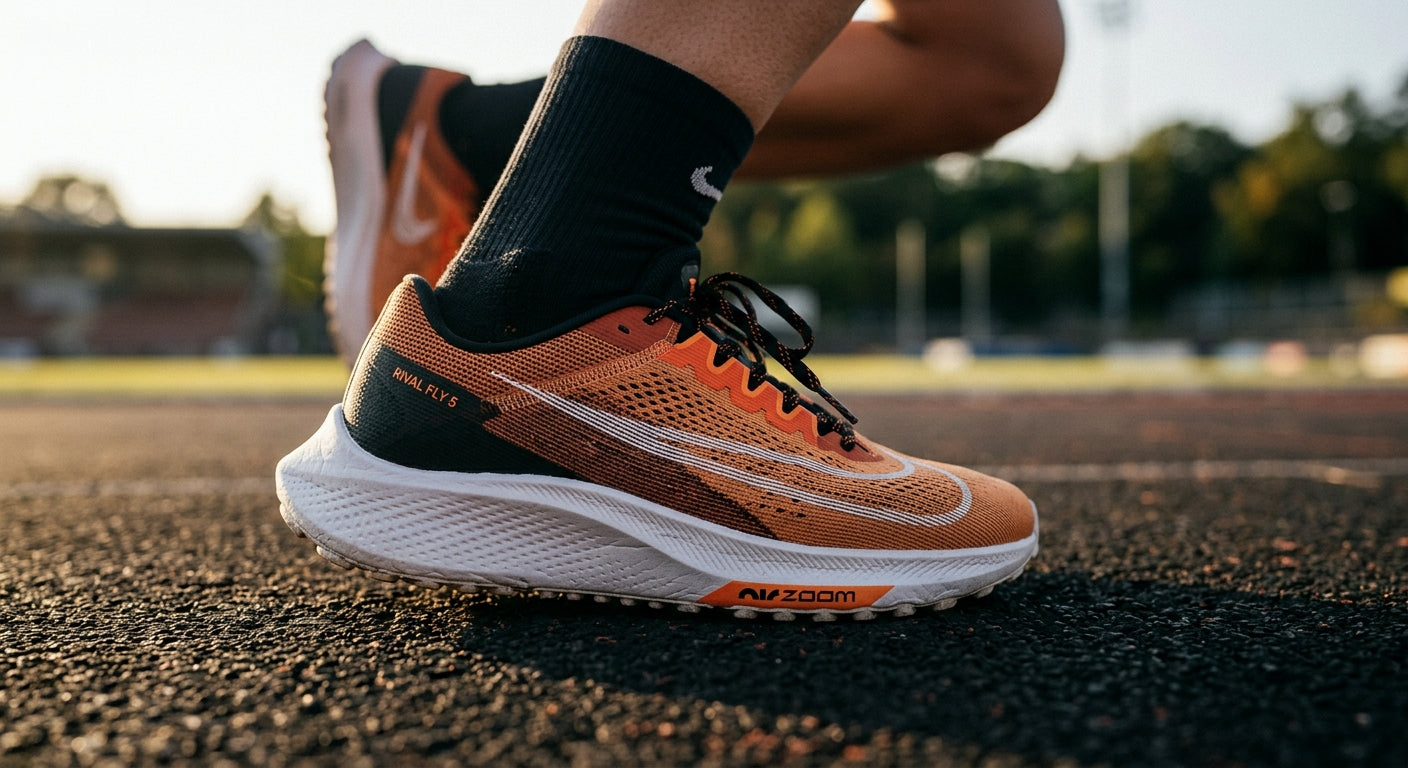
- Refined engineered mesh upper for improved breathability and weight reduction.
- Optimised outsole rubber compound for superior traction in wet conditions.
- Redesigned heel counter to ensure greater stability during high-cadence intervals.
- Increased stack height while maintaining a low-profile aesthetic.
Evolution: The history of the shoe line
The Rival Fly series has long been regarded as the workhorse of Nike’s speed-oriented lineup. Historically, the line prioritised a firm, responsive ride over the maximalist cushioning trends seen in the Vaporfly range. The transition from the second to the fourth iteration saw significant improvements in weight distribution and upper durability, establishing a reputation for longevity that few speed shoes can match.
Performance Expectations: What improvements are expected?
Analysts anticipate that the fifth iteration will focus heavily on weight reduction. Rumours suggest a shift toward a more advanced foam composite, potentially incorporating a variation of ZoomX, to further improve the power-to-weight ratio. The primary goal for the design team appears to be lowering the total grammage while simultaneously increasing the longitudinal stiffness of the chassis.
Special Features & Technical Specifications
Technical leaks point towards a dual-density midsole configuration. The forefoot is expected to feature a high-rebound unit, while the heel will likely utilise a firmer carrier foam to provide the necessary support for heel-strikers. Expect a drop of approximately 8mm, maintaining the classic geometry that fans of the series have come to rely on for tempo runs.
Comfort & Fit
The fit is expected to remain true to the traditional racing-inspired silhouette, offering a snug midfoot lockdown. The integration of an internal lacing system is tipped to reduce pressure points across the dorsum of the foot, which is a significant departure from the previous models that occasionally suffered from lace bite during sustained efforts.

Looking to shave time off your personal best?
Get immediate pacing strategies and interval workout ideas directly on-site for free. Try asking Raye: 'What is the best threshold session to help drop my 10K time?' Get instant pacing tips
What are the press saying?
Industry insiders have praised the leaked images for the sophisticated colour palette and the refined aesthetic of the engineered mesh. The general consensus among the press is that Nike is positioning the Rival Fly 5 as a versatile candidate for both track speed work and daily road training, aiming to capture the market segment that finds the Alphafly too unstable for daily use.

What are the review sites saying?
Review aggregators suggest that expectation management is key. While some speculation suggests a carbon-fibre plate might be included, most credible sources indicate the shoe will remain plate-free to keep the price point competitive. This distinction is crucial for runners who prefer a more natural, flexible ride rather than the rigid propulsion provided by plated super-shoes.
Release Date & Pricing Information (UK/USA)
While an official date remains under wraps, projections place the launch in the third quarter of the fiscal year. In the USA, the price is expected to hover around the $120 mark, while UK consumers should prepare for a retail price point in the region of £100 to £110, accounting for current supply chain fluctuations and regional import duties.
10 alternative items to try
- Adidas Adizero Boston 12: A formidable competitor featuring Lightstrike Pro foam and EnergyRods. It offers a slightly more rigid ride compared to the Rival Fly, making it an excellent choice for runners who prioritise energy return and long-distance stability over pure flexibility. The Continental rubber outsole provides industry-leading grip on varied surfaces.
- Saucony Kinvara 14: Renowned for its lightweight construction and minimal drop, the Kinvara remains a staple for those who prefer a ground-feel approach. Its PWRRUN+ cushioning provides a responsive yet soft landing, making it ideal for high-cadence training sessions where weight is the primary concern for the athlete.
- Brooks Launch 10: A reliable and durable trainer that excels in versatility. It offers a more traditional feel with a focus on responsiveness rather than maximalist cushioning. The updated upper is highly breathable, ensuring comfort during long sessions in warmer conditions, and the outsole is built to endure hundreds of miles of road wear.
- New Balance FuelCell Rebel v4: This shoe is all about high-energy return and a plush, soft ride. The FuelCell foam is incredibly bouncy, which can feel quite different from the firmer Nike Rival Fly series. It is a perfect choice for runners who want a fun, energetic experience during their weekly tempo runs.
- Asics Magic Speed 3: A great entry point into plated footwear. It provides a propulsive ride that feels efficient at high speeds. The carbon plate integrated into the midsole offers a snappy transition, making it a strong contender for runners who want to experience the sensation of a racing shoe without the extreme cost.
- Hoka Mach 6: Known for its exceptional weight-to-cushion ratio, the Mach 6 is a favourite for speed work. The foam is responsive and provides a smooth ride through the gait cycle. It is a lighter option that still offers enough protection for longer runs, making it a balanced choice for many athletes.
- Puma Velocity Nitro 3: Puma has made significant strides in foam technology, and this shoe is no exception. It offers a balanced ride with excellent durability and a very reliable grip on both dry and wet roads. It is a solid, no-nonsense trainer that performs consistently across all types of training runs.
- Mizuno Wave Rebellion Flash: This shoe features a glass-fibre reinforced plate that provides a unique blend of stiffness and flexibility. It is designed for speed and offers a very distinct ride quality that differs from the pure foam setups of its competitors, making it a great alternative for those looking for something different.
- On Cloudflow 4: A lightweight option that focuses on a fast, responsive feeling. The CloudTec pods provide a firm landing that transitions quickly into take-off. It is an excellent choice for track work and shorter intervals where performance and precision are valued over deep, plush cushioning.
- Under Armour Flow Velociti Elite: Featuring a unique foam-based outsole, this shoe eliminates heavy rubber to save weight. It is a very fast, responsive trainer that feels incredibly light on the foot. It is a testament to minimalist engineering and is perfect for runners who want the absolute lightest shoe possible.


