

Nike Pegasus Premium 2.0 Preview


Dealing with a nagging injury or tightness?
Get instant recovery guidance, stretching protocols, and rest advice right now without leaving the site. Try asking Raye: 'What are the best stretches to relieve tight calves after a long run?' Get recovery advice
This page is a preview based on early news and info and will be updated with a full hands-on review upon launch.
The running community is currently abuzz with the impending arrival of the Nike Pegasus Premium 2.0. As the successor to a lineage that has defined the daily trainer category for decades, this iteration promises to bridge the gap between reliable high-mileage workhorses and elite-level racing technology. Early leaks suggest a significant pivot in material science.
Evolution: The history of the shoe line
The Pegasus line has long served as the backbone of Nike's running portfolio. From its inception in the early 1980s, the focus has always been on democratising air-based cushioning. The transition from the standard Pegasus to the 'Premium' designation marks a strategic shift towards higher-end foams and more sophisticated geometry, catering to runners who demand both durability and high energy return.
Top 5 Features to look out for
- Full-length sculpted Zoom Air unit for enhanced propulsion.
- Advanced engineered mesh upper with targeted zonal breathability.
- Optimised rocker geometry to improve gait cycle efficiency.
- Increased stack height utilising upgraded PEBA-based foam compounds.
- Refined outsole lug pattern for superior multi-surface traction.
What are the press saying?
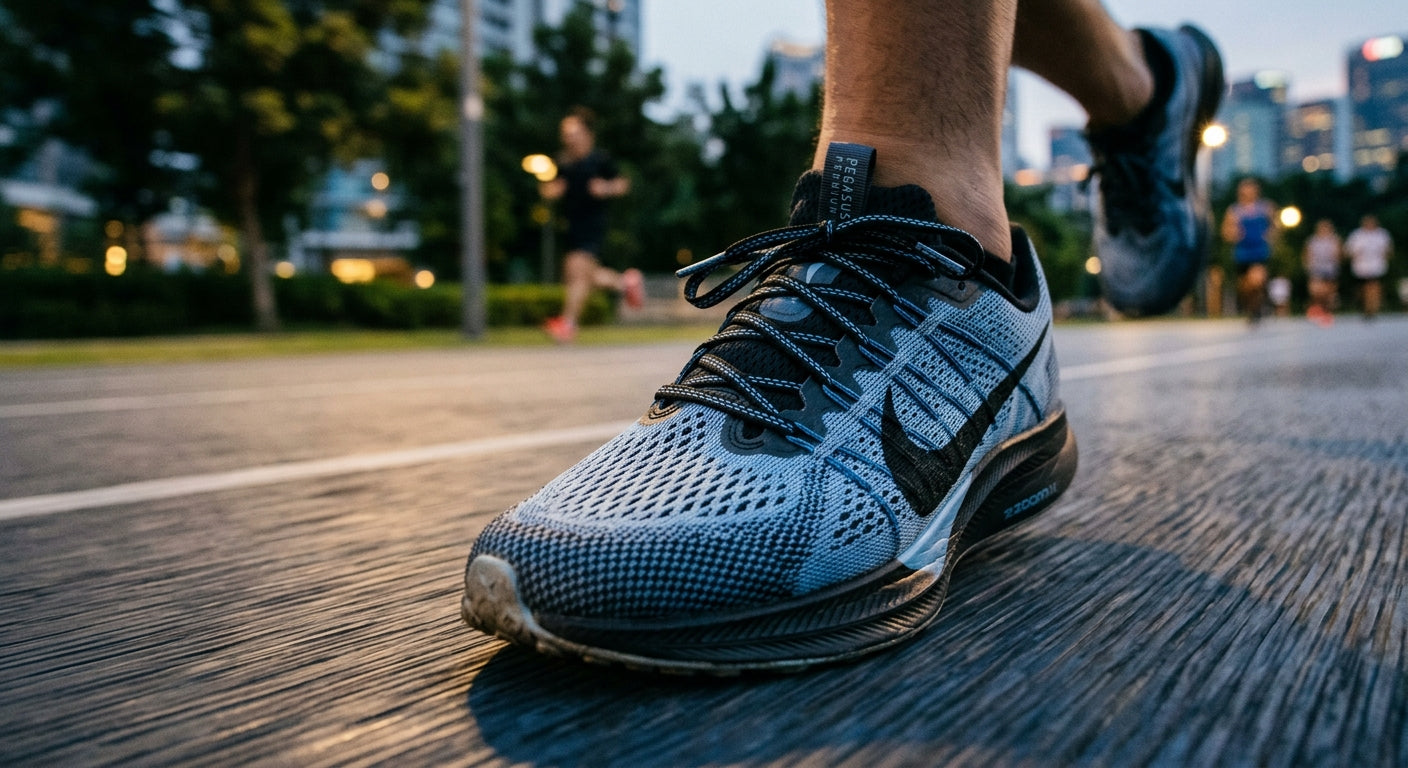
Industry insiders are suggesting that Nike is aiming to reduce the overall weight by approximately 5% compared to the previous iteration. Tech-focused publications have highlighted the potential integration of a more responsive, lighter midsole compound, which would address previous criticisms regarding the shoe’s relative heaviness during high-tempo efforts.
What are the review sites saying?
While formal testing is yet to commence, early speculation from major performance running hubs suggests that the 2.0 will feature a more aggressive toe-spring. Analysts are anticipating a shift in the durometer of the midsole, aiming for a firmer, more propulsive feel compared to the softer, more compliant nature of the standard Pegasus line.
Performance Expectations: What improvements are expected?
The primary performance goal for the 2.0 is the refinement of the energy return profile. By adjusting the internal architecture of the Air unit, engineers aim to provide a more consistent transition from midfoot strike to toe-off. We expect the lateral stability to be bolstered through a wider base platform, accommodating a broader range of biomechanical profiles.
Special Features & Technical Specifications
Technical leaks indicate a stack height increase of 2mm, bringing the total to a significant 36mm in the heel. The use of a proprietary composite carbon-plate or a rigid TPU shank is rumoured to provide the necessary structural integrity for the increased foam volume. The estimated weight sits at approximately 265 grams for a standard UK men's size 9.

Have a quick training or recovery question?
Get fast expert advice right here on the page—no sign-up, account, or app needed. Try asking Raye: 'What's the best way to relieve tight calves after a run?' Ask a question now

Comfort & Fit
The internal heel counter has been redesigned for a more anatomical lock-down, reducing the risk of slippage during high-velocity cornering. The tongue construction appears to be moving towards a gusseted, semi-integrated design to ensure a secure midfoot wrap, which should enhance overall comfort during long-duration runs in varying weather conditions.
Release Date & Pricing Information (UK/USA)
While Nike has remained tight-lipped, global retail calendars point to a late Q3 release. Expected pricing is set at approximately £165 in the UK and $175 in the US, positioning it firmly in the premium daily trainer bracket, competing directly with high-stack models from rival manufacturers.
10 alternative items to try
- Saucony Triumph 22: A fantastic alternative featuring top-tier PWRRUN PB foam. It offers a plush yet snappy ride that excels at long-distance recovery runs. The engineered mesh upper provides excellent lockdown, ensuring your foot remains stable even as fatigue sets in during the final stages of a long training session.
- Asics Novablast 4: Known for its trampoline-like effect, the FF Blast Plus Eco cushioning provides incredible energy return. It is arguably one of the most fun shoes to run in, combining a lightweight build with a unique geometric outsole that promotes a very smooth rolling transition through the gait cycle.
- New Balance Fresh Foam X 1080v13: This shoe offers a luxurious, ultra-soft underfoot experience that prioritises comfort above all else. It is ideal for those who prefer a more relaxed ride for their daily mileage, featuring a highly breathable knit upper that contours perfectly to the shape of the foot.
- Brooks Glycerin 21: A staple in the neutral cushioning category, this model uses DNA LOFT v3 nitrogen-infused foam. It is incredibly durable, making it a perfect candidate for high-mileage athletes who need a shoe that maintains its integrity over hundreds of kilometres of consistent training cycles.
- Hoka Skyward X: For those looking for maximum cushion, this model delivers a massive stack height combined with a carbon plate. It provides a unique, propulsive sensation that is perfect for protecting the joints during heavy training weeks, offering a very stable base despite the significant elevation from the ground.
- Adidas Adizero Boston 12: A versatile trainer that incorporates Lightstrike Pro and durable Lightstrike 2.0 foams. It features glass-fibre Energy Rods that mimic the feeling of a carbon plate, making it an excellent choice for runners who want a shoe that can handle both easy recovery miles and faster tempo work.
- Puma Deviate Nitro 3: This shoe features the highly responsive Nitro Elite foam and a carbon composite plate. It is exceptionally fast and provides a very snappy toe-off, making it a great option for runners who want to push their pace without sacrificing the comfort required for daily training.
- On Cloudmonster 2: Utilising massive CloudTec elements, this shoe offers a very distinct, firm, and propulsive ride. It is excellent for runners who prefer a more structured feel with high energy return, and the updated foam composition provides a much smoother transition than previous iterations of the brand.
- Mizuno Wave Sky 7: Featuring the unique Enerzy Core, this shoe provides a very soft, floating sensation underfoot. It is a fantastic choice for heel strikers who appreciate a well-cushioned landing and a smooth, stable transition, especially when combined with the brand's signature wave-plate technology for added responsiveness.
- Topo Athletic Specter: Offering a wide toe box for natural foot splay, this shoe is perfect for runners who feel restricted in traditional designs. The Pebax-based midsole provides a lightweight and bouncy ride, making it a very efficient daily trainer that doesn't compromise on space or technical performance.


