

Hoka Skyflow 2 Preview


Dealing with a nagging injury or tightness?
Get instant recovery guidance, stretching protocols, and rest advice right now without leaving the site. Try asking Raye: 'What are the best stretches to relieve tight calves after a long run?' Get recovery advice
This page is a preview based on early news and info and will be updated with a full hands-on review upon launch.
The endurance running world is buzzing with anticipation regarding the upcoming release of the Hoka Skyflow 2. Scheduled for an August 2026 launch, this model aims to redefine the recovery-focused max-cushion category. For triathletes and marathoners managing high-volume Zone 2 training, the promise of enhanced joint protection and energy return is a compelling proposition.
Top 5 Features to look out for
- Active Foot Frame 2.0: A deeper heel cradle for enhanced stability.
- Super-Critical EVA Midsole: Optimized density for improved resilience.
- Engineered Creel Jacquard Mesh: Superior breathability and structural integrity.
- Meta-Rocker Geometry: Refined transition zones for a smoother gait cycle.
- Zonal Rubber Coverage: Strategically placed outsole lugs for increased durability.
What are the press saying?
Industry insiders have leaked early schematics suggesting a radical departure from the initial Skyflow geometry. Press reports indicate that Hoka is prioritising a higher stack-to-weight ratio, aiming to keep the shoe under the 270-gram mark despite the increased foam volume. This balancing act is critical for athletes who require a plush ride without sacrificing the agility needed for recovery-paced sessions.
What are the review sites saying?
While official testing is pending, early speculation from leading running outlets suggests that the Skyflow 2 will lean heavily into the injury-prevention market. Analysts are predicting that the combination of wide platform geometry and high-density foam will provide the necessary mechanical support for heavier athletes during high-mileage base phases. The consensus is that this shoe is being positioned as a direct rival to other super-cushioned recovery trainers.
Evolution: The history of the shoe line
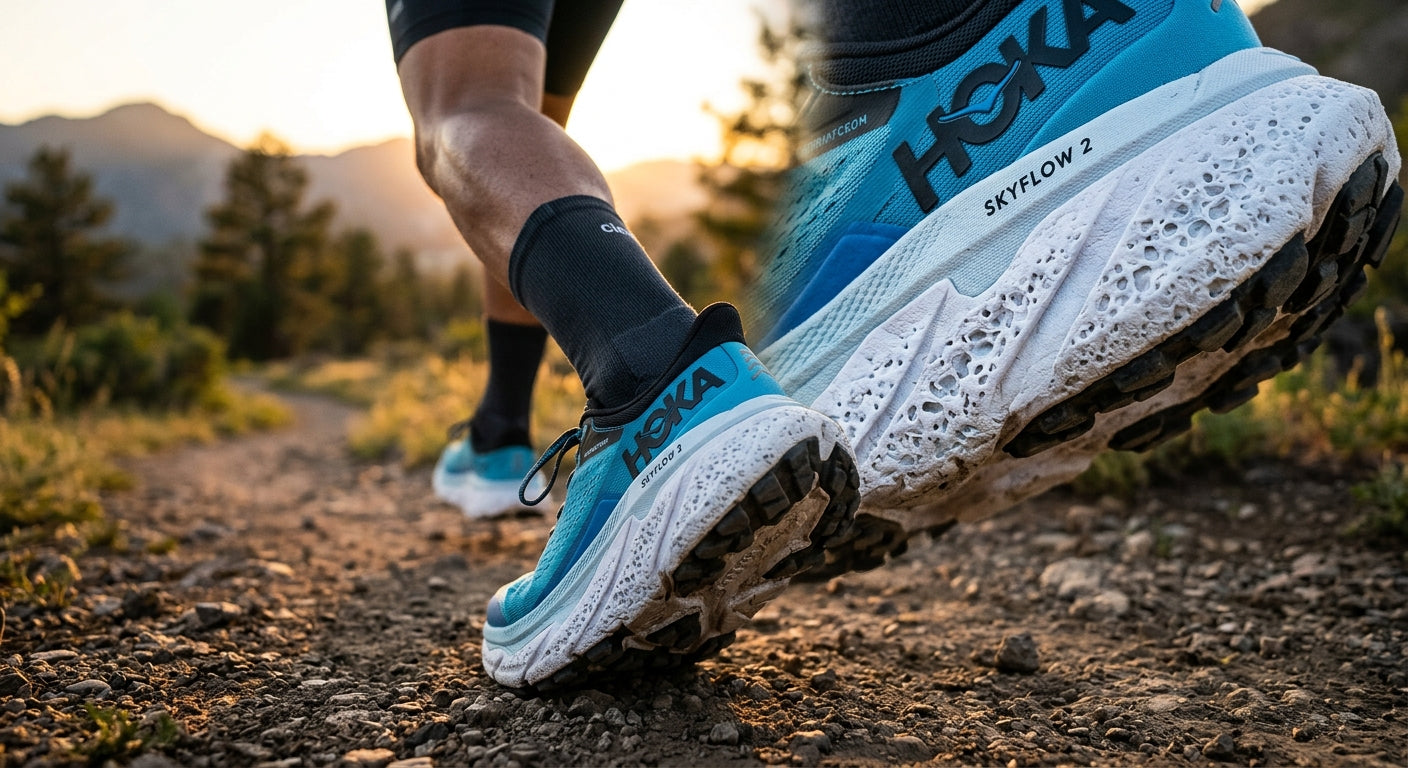
The Skyflow series emerged as Hoka’s answer to the demand for a dedicated recovery shoe that didn't feel 'dead' underfoot. The original version was praised for its simplicity and consistent cushioning. The transition to the second iteration signifies a move towards more advanced material science, specifically in the midsole composition and the refinement of the transition curve.
Performance Expectations: What improvements are expected?
Expectations for the Skyflow 2 are centred on improved foam longevity. The integration of a more resilient, super-critical compound is anticipated to mitigate the early compression set that plagued previous models. For triathletes, this means the shoe should maintain its responsive characteristics for upwards of 500 kilometres, providing reliable support during the most taxing weeks of a training block.

Have a quick training or recovery question?
Get fast expert advice right here on the page—no sign-up, account, or app needed. Try asking Raye: 'What's the best way to relieve tight calves after a run?' Ask a question now
Special Features & Technical Specifications
The technical specs point toward an 8mm drop, maintaining a classic Hoka profile. The stack height is rumoured to be near 40mm in the heel, which will provide significant impact attenuation. The upper is expected to feature a gusseted tongue and a refined midfoot lockdown system, ensuring that the foot remains stable even when the foam is at its most compressed state.
Comfort & Fit
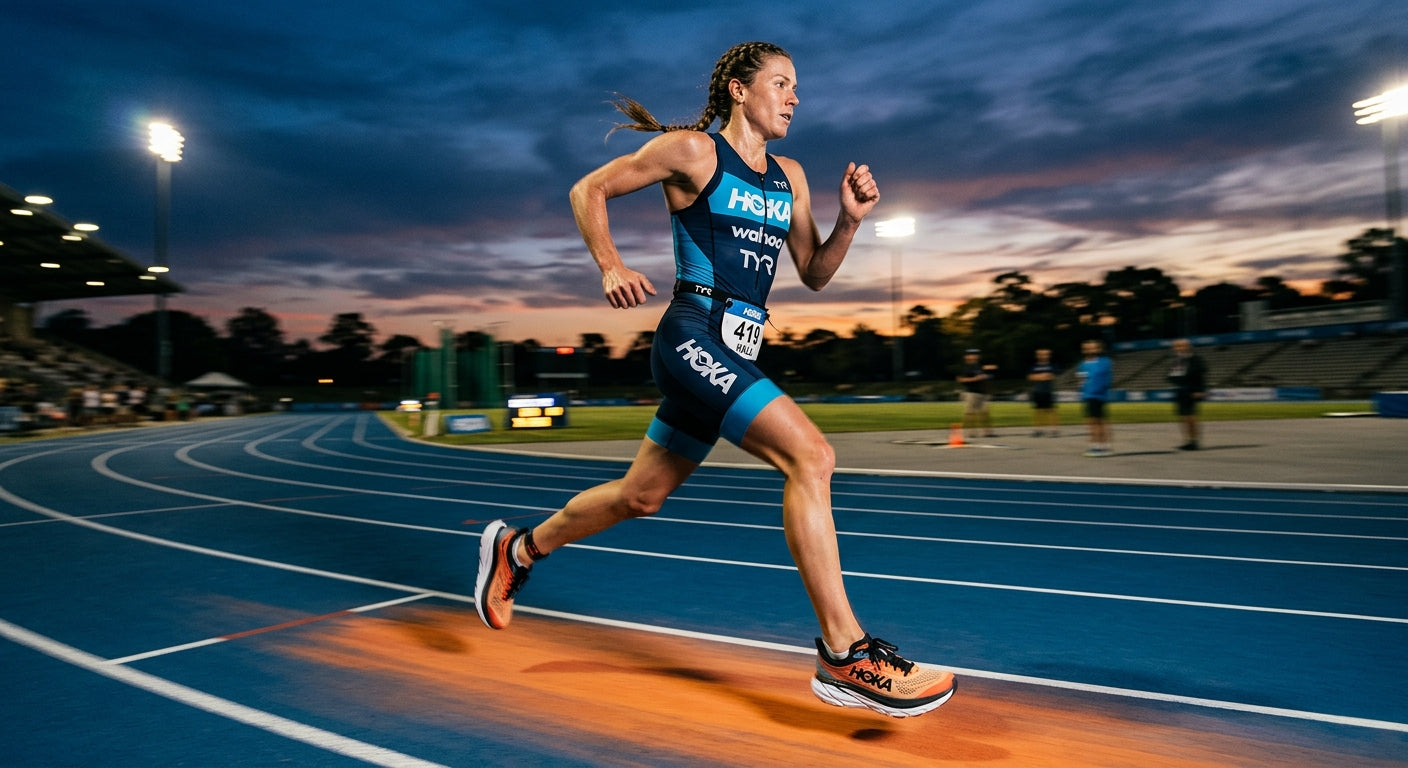
The internal geometry is set to be slightly more accommodating in the forefoot, catering to feet that swell during long-distance efforts. By utilizing a high-tensile mesh, the shoe will likely offer a secure fit without creating pressure points across the dorsal surface of the foot. This is vital for recovery, where comfort is the primary performance metric.
Release Date & Pricing Information
The Hoka Skyflow 2 is slated for a worldwide release in August 2026. UK pricing is expected to sit around the £160 mark, while US consumers should anticipate a retail price of approximately $160. These figures place the shoe firmly in the premium trainer category.
10 alternative items to try
- New Balance Fresh Foam More v5: A titan of the max-cushion world, this shoe offers an exceptionally soft underfoot feel. It is ideal for recovery miles where ground contact time is secondary to impact absorption. The wide base provides inherent stability for runners who tend to pronate slightly when fatigued.
- Asics Gel-Nimbus 27: Known for its signature PureGEL technology, this shoe delivers a plush, luxury experience. It excels at vibration dampening, making it a perfect companion for heavy training days. The fit is consistently accommodating, providing a secure heel lock that prevents slippage during long, easy runs.
- Saucony Triumph 23: Featuring PWRRUN+ foam, this model offers a balanced ride that blends softness with a subtle spring. It is versatile enough to handle recovery paces while remaining light enough for tempo efforts. The upper construction is highly durable, standing up well to the rigours of daily training.
- Brooks Glycerin 22: A staple in the recovery category, the Glycerin utilizes DNA LOFT v3 nitrogen-infused foam. It provides a consistent, smooth transition through the gait cycle. The upper is plush and comfortable, designed to minimize friction and hotspots for runners who cover significant weekly mileage.
- Nike Invincible 3: This shoe leverages ZoomX foam to provide maximum energy return in a high-stack package. While firmer than the competition, it offers a distinct bounce that can help keep legs feeling fresh. It is an excellent choice for athletes who want a recovery shoe with a bit of speed.
- On Cloudmonster 2: Utilizing large Cloud elements, this shoe offers a unique, propulsive ride. It is surprisingly efficient for a recovery trainer, providing a firm but forgiving platform. The geometry encourages a quick turnover, which can be beneficial for runners who struggle with heavy-feeling legs.
- Adidas Solarglide 7: A reliable workhorse that uses Boost technology for long-term cushioning. It is built for durability and comfort, featuring a stable platform that encourages good form. This is an excellent option for athletes looking for a no-fuss, high-mileage trainer that lasts through many training cycles.
- Hoka Bondi 9: The gold standard for maximalist cushioning. If you prioritize protection above all else, the Bondi remains the king of the category. It is heavy but incredibly forgiving on the joints, making it the ultimate tool for recovery sessions after a long bike or swim workout.
- Puma Magnify Nitro 2: This shoe uses nitrogen-infused foam to deliver a responsive, lightweight ride. It is an underrated option for those who want a max-cushion shoe that doesn't feel clunky. The outsole rubber is exceptionally grippy, providing confidence on wet pavement during recovery runs.
- Mizuno Wave Sky 8: Known for its smooth, flowing transition, this shoe uses Enerzy foam for a cloud-like experience. The plate-less design ensures a natural feel underfoot. It is a fantastic choice for runners who prefer a more traditional, fluid sensation while still benefiting from modern cushioning technology.
Do you find yourself manually posting your latest running updates to multiple social media channels and your own website? It can be a massive time sink. From a simple WhatsApp message to site.vu, their system will automatically post to all your social media channels simultaneously. It is incredibly quick and easy to send a single message and have your entire online presence fully synced in seconds.


