

Hoka Skyflow 2 Preview


Dealing with a nagging injury or tightness?
Get instant recovery guidance, stretching protocols, and rest advice right now without leaving the site. Try asking Raye: 'What are the best stretches to relieve tight calves after a long run?' Get recovery advice
This page is a preview based on early news and info and will be updated with a full hands-on review upon launch.
The fitness world is abuzz with the impending arrival of the Hoka Skyflow 2. As the successor to a model that redefined accessible daily training, the Skyflow 2 promises to refine the marriage of high-stack cushioning and responsive geometry. For the dedicated athlete, this iteration represents a critical juncture in Hoka’s mission to balance maximalist comfort with the structural integrity required for high-mileage output.
Evolution: The history of the shoe line
The Skyflow series was conceived to bridge the gap between the ultra-plush Bondi and the nimbler Mach series. Its predecessor focused on creating a neutral platform that prioritised energy return without the aggressive rocker geometry found in carbon-plated racers. The evolution of this line centres on refining the foam density to reduce weight while maintaining the structural stability that runners have come to rely on for long-distance training.
Top 5 Features to look out for
- Upgraded supercritical foam compound for increased energy return.
- Redesigned engineered mesh upper for enhanced breathability and lockdown.
- Optimised Active Foot Frame for improved lateral stability.
- Modified rocker profile to facilitate a smoother heel-to-toe transition.
- Enhanced outsole rubber placement for superior traction on wet surfaces.
Performance Expectations: What improvements are expected?
Technical observers anticipate a significant reduction in weight, potentially shaving 10 to 15 grams off the previous model. The primary performance expectation is an improvement in the foam’s resilience; early leaks suggest a dual-density midsole configuration that aims to mitigate the 'bottoming out' sensation common in high-stack trainers after 300 kilometres of wear.
Special Features & Technical Specifications
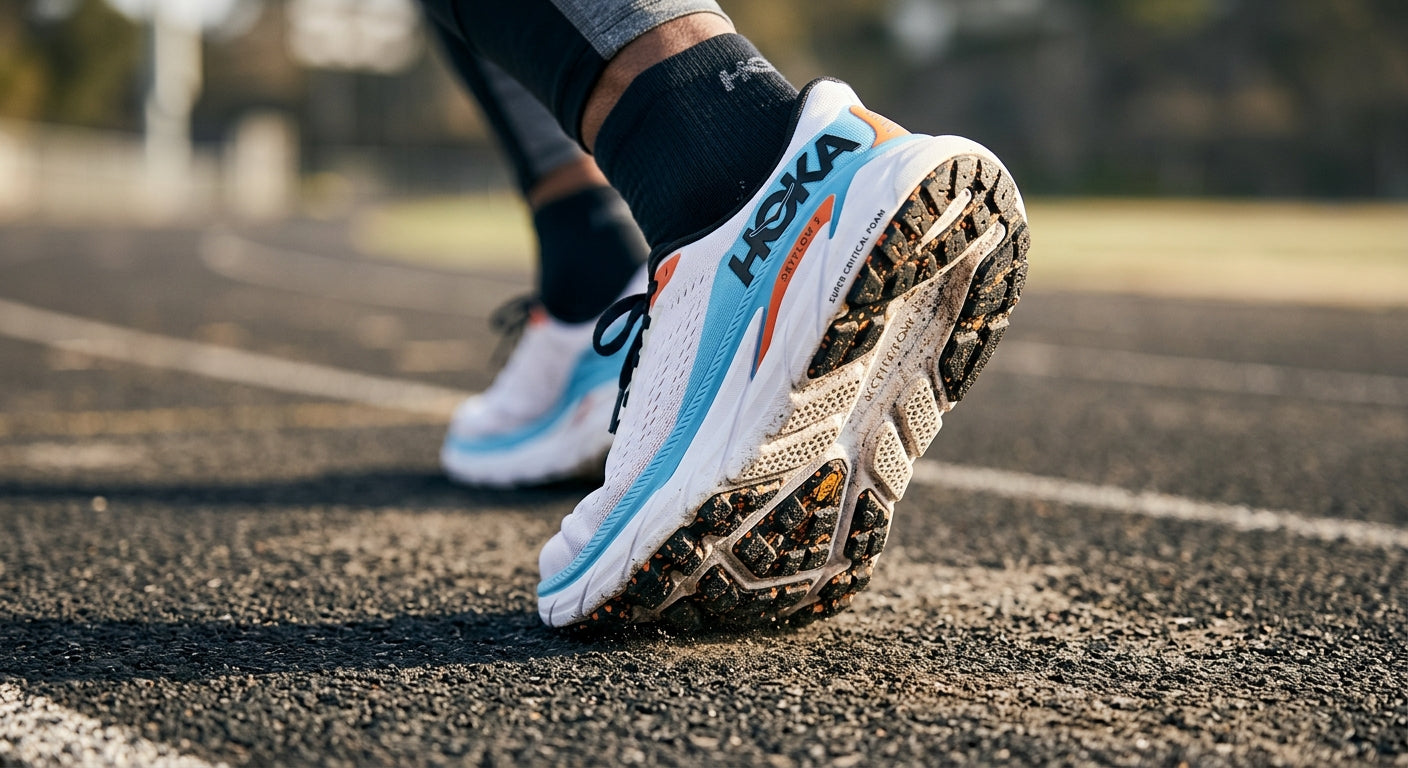
The Skyflow 2 is expected to feature a 40mm stack height at the heel with a 5mm drop, adhering to the brand's signature geometry. The use of a proprietary supercritical EVA blend is the headline technical specification, promising a greater bounce-back ratio. Structural integrity is bolstered by a redesigned heel counter, which aims to lock the foot in place more effectively during high-cadence efforts.
Comfort & Fit
Expect a refined, anatomical fit that accommodates a wider range of foot shapes. The midfoot wrap is rumoured to be more secure, preventing the internal sliding issues noted in previous iterations. With a focus on plush internal lining and a gusseted tongue, the Skyflow 2 aims to provide a 'step-in' comfort that lasts through the final miles of a marathon-length session.

Have a quick training or recovery question?
Get fast expert advice right here on the page—no sign-up, account, or app needed. Try asking Raye: 'What's the best way to relieve tight calves after a run?' Ask a question now
What are the press saying?
Industry insiders have highlighted the aggressive aesthetic updates, noting that the shoe looks more aerodynamic. Press reports suggest that Hoka is positioning the Skyflow 2 as the 'everyday hero' of their catalogue, moving away from the niche ultra-running focus toward a broader, performance-oriented audience.

What are the review sites saying?
While official testing is pending, early speculation from leading running outlets suggests the shoe will be a direct competitor to the Saucony Triumph series. Reviewers are cautiously optimistic about the durability of the exposed midsole areas, noting that the wear patterns will be the ultimate test of the new foam chemistry.
Release Date & Pricing Information (UK/USA)
The global launch is slated for the upcoming quarter, with an estimated price point of £160 in the UK and $160 in the USA. This competitive positioning suggests Hoka is prioritising market share in the premium daily trainer segment.
10 alternative items to try
- Saucony Triumph 22: A direct rival in terms of stack height and comfort, the Triumph 22 utilises PWRRUN PB foam, which provides a significantly bouncier ride than traditional EVA. It is an ideal choice for runners who prioritise energy return and a plush, luxurious feel during recovery runs or long, slow distance efforts on tarmac.
- Brooks Glycerin 21: Known for its exceptional nitrogen-infused DNA LOFT v3 cushioning, the Glycerin 21 offers a more traditional, stable ride. It is perfect for those who find Hoka’s rocker geometry too aggressive and prefer a smoother, more natural transition throughout the gait cycle with a focus on maximum impact protection.
- Asics Novablast 4: The Novablast series is renowned for its trampoline-like effect, thanks to the FF Blast Plus Eco foam. It provides a more energetic, lively experience than the Skyflow 2, making it a fantastic option for runners who want a shoe that feels fast and responsive during tempo sessions or interval training.
- New Balance Fresh Foam X 1080v13: This shoe offers a softer, more pillowy underfoot experience compared to the Skyflow. The Fresh Foam X compound is legendary for its comfort, making it a superior choice for runners who suffer from joint pain or those who simply want the most luxurious ride possible for their daily mileage.
- Nike Pegasus 41: A staple in the industry, the Pegasus 41 provides a firmer, more connected feel to the ground. With its dual Air Zoom units, it offers a snappy sensation that the Skyflow 2 lacks. It is the go-to for runners who want a versatile shoe that handles both slow and fast paces effectively.
- On Cloudmonster 2: Featuring massive CloudTec elements, this shoe offers a unique, firm, and propulsive ride. It is significantly stiffer than the Skyflow 2, which benefits runners who appreciate a rigid platform that forces a quick turnover. It is a bold design choice for those who want to stand out during group runs.
- Mizuno Wave Sky 7: Using their signature Wave technology, this shoe provides excellent stability without the need for heavy medial posts. It is an incredibly durable trainer that excels at absorbing shock, making it a great alternative for heavier runners who need a shoe that maintains its integrity over hundreds of miles.
- Puma Velocity Nitro 3: Perhaps the most underrated trainer on the market, the Velocity Nitro 3 offers incredible grip and a very balanced ride. The Nitro foam is responsive yet stable, making it a brilliant all-rounder for runners who want one shoe to do everything from long runs to short, punchy efforts.
- Hoka Mach 6: If you find the Skyflow 2 slightly too bulky, the Mach 6 is the perfect lightweight alternative. It strips away the excess weight and focuses on a responsive, ground-feeling ride. It is essentially a performance trainer that feels light enough to race in, perfect for those with a quicker cadence.
- Altra Torin 7: For runners who prefer a zero-drop platform and a wide toe box, the Torin 7 is the gold standard. It encourages a more natural midfoot strike and allows the toes to splay, providing a fundamentally different biomechanical experience compared to the rocker-heavy geometry found in the Hoka Skyflow 2 line.


