

Hoka Rincon 5 Preview


What's your next big fitness goal?
Whether you're aiming for a local Parkrun or an Ironman, getting the right advice is crucial. We built our AI coach, Raye, to answer anything about your training and goals. No account needed—just dive in. Ask Raye: 'Can you create a basic 12-week training plan for a half Ironman?' Ask Coach Raye anything about your goals.
This page is a preview based on early news and info and will be updated with a full hands-on review upon launch.
The Hoka Rincon series has long occupied a unique niche within the performance footwear market, acting as the bridge between maximalist cushioning and lightweight race-day agility. As we look towards the release of the Hoka Rincon 5, the industry is buzzing with speculation regarding how Hoka will refine this popular silhouette to compete in an increasingly crowded segment of responsive trainers.
Top 5 Features to look out for
- Next-generation compression-moulded EVA foam density adjustments for increased energy return.
- A redesigned outsole geometry featuring high-abrasion rubber placement at key strike zones.
- An updated engineered mesh upper for improved breathability and midfoot lockdown.
- Refined meta-rocker geometry to promote a more efficient gait cycle transition.
- Sub-200g weight profile targeting the ultra-lightweight endurance market.
Evolution: The history of the shoe line
The Rincon line was birthed from the need for a shoe that offered the signature Hoka cushioning without the bulk associated with the Clifton or Bondi models. Over four iterations, the shoe has maintained a consistent trajectory, prioritising a stripped-back design. Each version has slowly refined the stack height and rubber coverage, moving from a purely disposable high-mileage trainer to a more durable, versatile option.
What are the press saying?
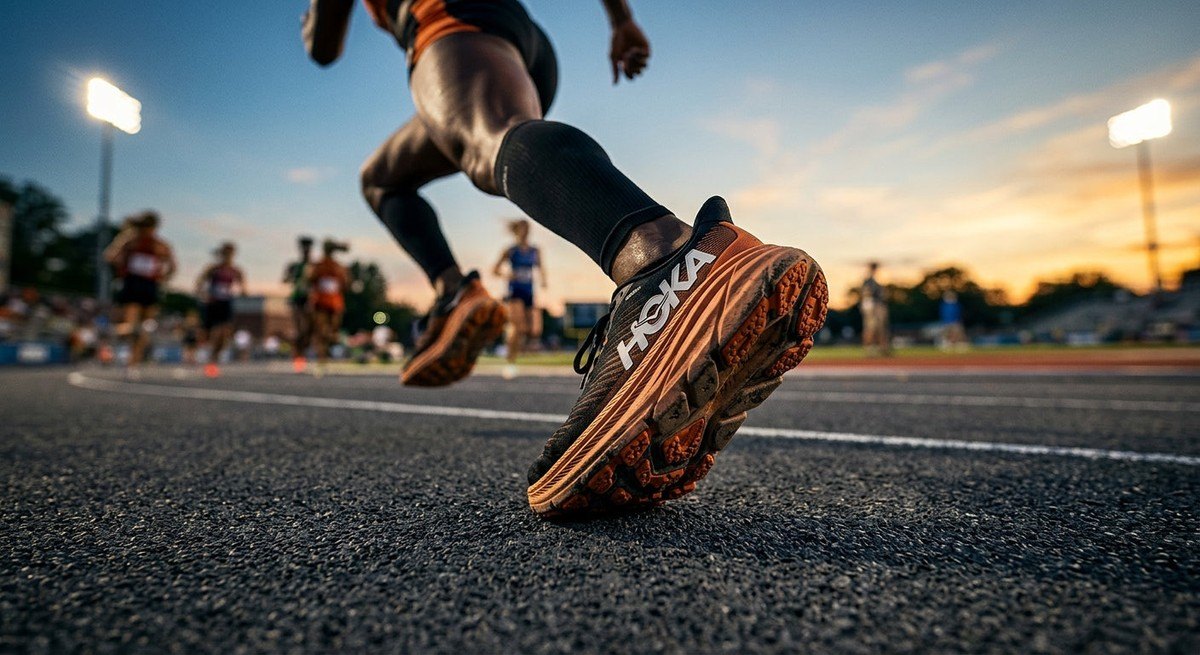
Industry insiders are suggesting that the Rincon 5 will focus heavily on sustainability without compromising on performance. Leaks indicate that Hoka is experimenting with bio-based foam additives, which could change the tactile feedback of the landing phase. Journalists are particularly keen to see if the brand can maintain the sub-200g weight while increasing outsole durability, a common point of contention in previous models.
What are the review sites saying?
Review platforms are currently speculating that the Rincon 5 will adopt some of the structural design language found in the Mach series. While concrete data is scarce, early rumours point toward a slightly wider base to improve lateral stability, addressing user feedback regarding cornering performance. Analysts expect the shoe to remain a firm favourite for tempo runs and interval sessions.
Performance Expectations: What improvements are expected?
The primary expectation for the Rincon 5 is a significant improvement in outsole longevity. By strategically placing high-abrasion rubber in the forefoot and heel, Hoka aims to extend the life of the midsole foam. Furthermore, we expect to see a more responsive, less 'mushy' ride, achieved through higher temperature processing of the EVA compound during manufacturing.

Does running feel harder than it should?
Poor running economy could be causing unnecessary fatigue. Our dedicated AI coach is loaded with technical knowledge to help fix your cadence, breathing, and form. Chat instantly with no sign-up. Ask Raye: 'How can I improve my arm swing to waste less energy?' Find out how to improve your form.
Special Features & Technical Specifications
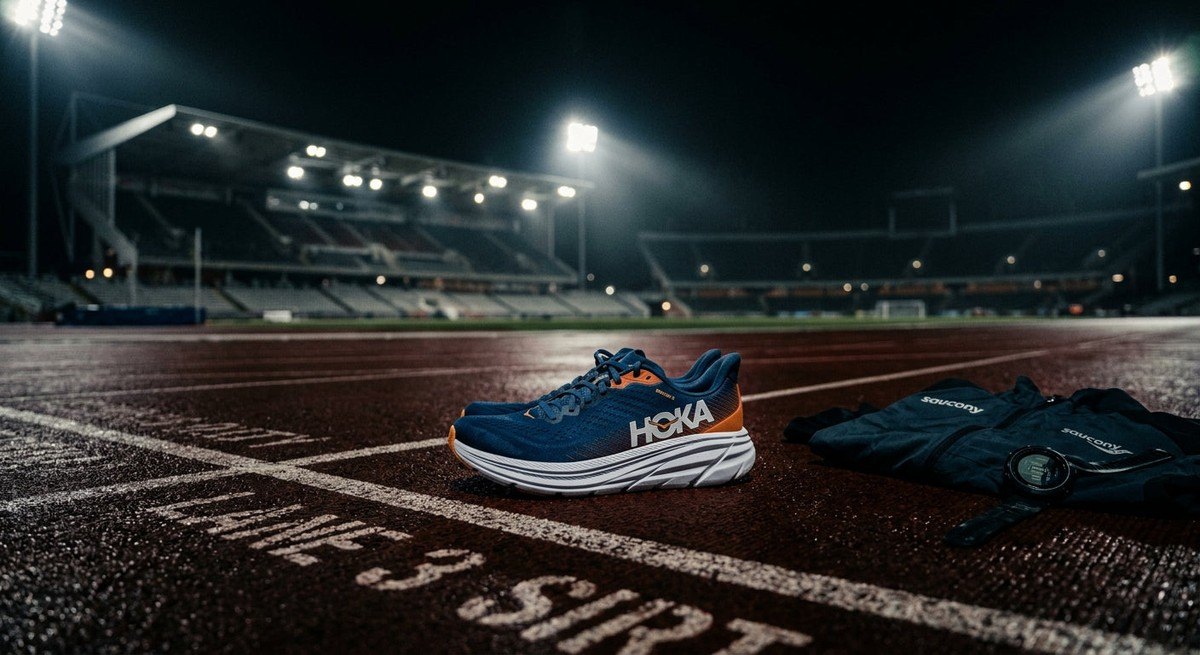
Expect a stack height approximating 29mm in the heel and 24mm in the forefoot, maintaining the 5mm drop. The upper is rumoured to feature a single-layer jacquard mesh, prioritising airflow during high-intensity efforts. The internal gusseted tongue is also expected to be refined for a more secure, glove-like fit that prevents slippage during rapid pace changes.
Comfort & Fit
The Rincon 5 is expected to retain the standard Hoka fit, which caters well to a variety of foot shapes. The heel collar has been redesigned with a more anatomical shape, aiming to reduce Achilles irritation. The overall volume in the toe box will likely remain true to size, providing ample space for natural toe splay during long-distance efforts.
Release Date & Pricing Information (UK/USA)
Anticipated launch dates are currently pegged for early Q2, with a projected retail price of £130 in the UK and $135 in the USA. These figures represent a slight increase due to material upgrades, though the shoe aims to remain the most accessible performance model in the Hoka catalogue.
10 alternative items to try
- Saucony Kinvara 14: A long-standing rival, the Kinvara offers a similar lightweight, low-drop experience. It provides a more flexible ride with a focus on ground feel, making it an excellent choice for runners who prefer a more natural transition compared to the rockered sensation of the Hoka Rincon series.
- Brooks Launch 10: Known for its reliability, the Launch provides a snappy, responsive feel that is ideal for daily speed work. It lacks the extreme cushioning of the Rincon but offers superior durability and a classic, secure fit that many runners find more predictable during fast-paced interval training sessions.
- New Balance FuelCell Rebel v4: This shoe utilises a highly resilient foam that offers significant energy return. It is often cited as the gold standard for lightweight trainers that do not sacrifice comfort. The geometry is slightly more aggressive than the Rincon, providing a more propulsive sensation at higher running velocities.
- ASICS Novablast 4: While slightly heavier than the Rincon, the Novablast offers a distinct 'trampoline' effect due to its unique midsole geometry. It is a fantastic alternative for those who want more impact protection for long runs without moving into the heavy, maximalist category of traditional Hoka models.
- Nike Pegasus 40: A versatile workhorse that balances durability with responsiveness. While it does not offer the same weight savings as the Rincon, the inclusion of Zoom Air units provides a consistent, reliable feel that handles everything from recovery runs to tempo efforts with ease and exceptional comfort.
- Hoka Mach 6: Serving as the more premium sibling to the Rincon, the Mach 6 features a dual-density midsole configuration. It provides a more refined, energetic ride that justifies the higher price point. If you find the Rincon lacking in long-term responsiveness, the Mach 6 is the logical step up.
- Puma Velocity Nitro 3: Puma has made massive strides in foam technology, and the Velocity Nitro 3 is a testament to this. It offers an incredible grip, even on wet surfaces, and a stable, cushioned platform that feels faster than its weight would suggest. It is a very robust daily trainer.
- Altra Escalante 3: For runners who prioritise a zero-drop platform and a wide, foot-shaped toe box, the Escalante 3 is the primary choice. Its knit upper provides a comfortable, sock-like fit that is perfect for those who want to avoid the restrictive sensation found in many performance-oriented running shoes.
- Mizuno Wave Rebellion Flash: This shoe incorporates a glass-fibre plate for added rigidity and propulsion. It is a more aggressive option for those who want to push their limits during race simulations. The ride is firmer than the Rincon, catering to runners who prefer a snappy, responsive ground contact.
- Topo Athletic Cyclone 2: Featuring a highly responsive PEBA midsole, the Cyclone 2 is a hidden gem in the lightweight category. It provides a very smooth transition and a spacious toe box, making it a perfect hybrid for runners who want speed without sacrificing the comfort of a natural foot shape.


