

Brooks Launch 12 Preview


Taking on your first 5K or 10K?
Start your running journey the right way. We created our AI coach to guide beginners safely through building stamina, without the confusing jargon. It's completely free with no sign-up. Try asking Raye: 'How do I build up to running 5K without stopping?' Ask Coach Raye for beginner tips.
This page is a preview based on early news and info and will be updated with a full hands-on review upon launch.
Evolution: The history of the shoe line
The Brooks Launch series has historically occupied a unique niche in the neutral running category. It is defined by its commitment to a responsive, energetic ride without the excessive stack height or over-engineered stability features found in max-cushion models. Since its inception, the Launch has prioritised a lightweight chassis and a streamlined profile, catering to runners who demand ground feel and transition speed.
Top 5 Features to look out for
- Refined DNA FLASH v2 midsole compound for increased energy return.
- Optimised outsole geometry for improved surface traction.
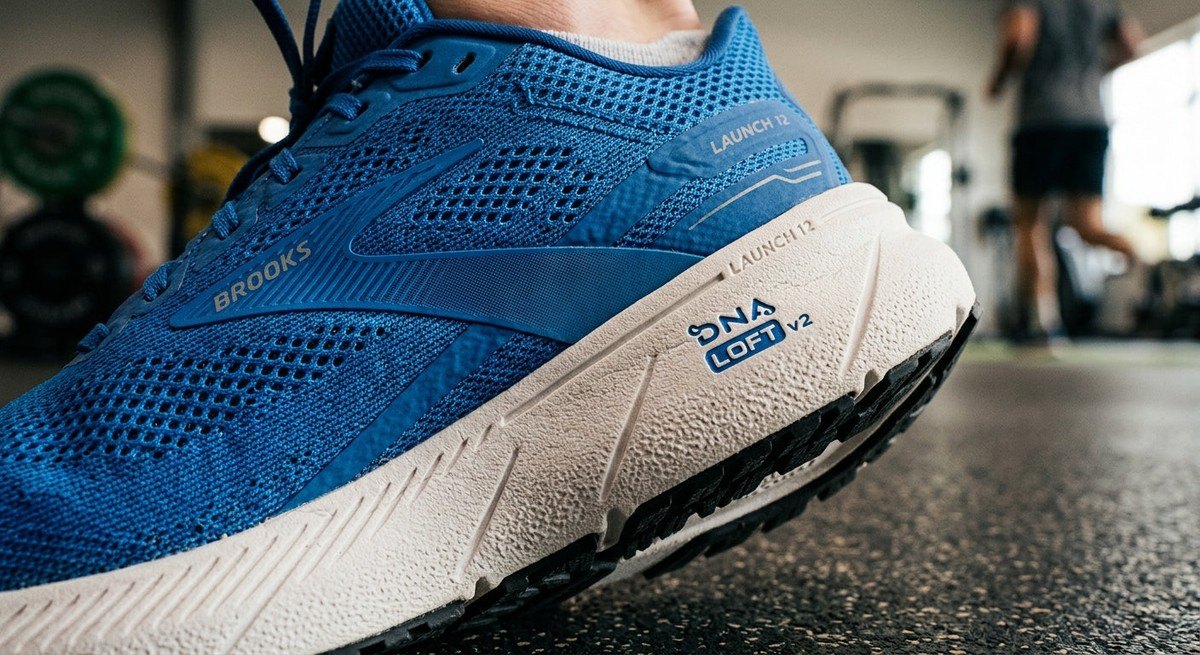
- Redesigned engineered mesh upper for enhanced breathability and lockdown.
- Adjusted drop specifications to favour a more natural gait cycle.
- Weight reduction targets aiming for sub-230g in standard men's sizes.
What are the press saying?
Early leaks and industry bulletins suggest that Brooks is focusing heavily on refining the existing DNA FLASH technology. Press releases indicate a shift towards a more sustainable production process without compromising the structural integrity of the foam. Industry insiders have noted that the brand is attempting to bridge the gap between a daily trainer and a speed-focused racing flat.
What are the review sites saying?
While formal reviews remain under embargo, speculation across performance running forums is focused on the upper construction. Critics are hypothesising that the new mesh will offer a more adaptive fit, specifically targeting midfoot security. There is significant anticipation regarding the outsole durability, with rumours suggesting a harder-wearing rubber compound compared to the previous iteration.
Performance Expectations: What improvements are expected?
The primary performance expectation revolves around the transition from heel-strike to toe-off. By refining the rocker geometry, Brooks aims to facilitate a smoother ride, potentially reducing the load on the Achilles tendon. We anticipate a more aggressive forefoot flex, which should benefit runners who prioritise a snappy turnover during tempo sessions.
Special Features & Technical Specifications
Technically, the shoe is expected to retain a standard 10mm drop, keeping it in line with its predecessors. However, the density of the midsole foam is rumoured to be recalibrated to offer a firmer, more propulsive sensation. The stack height is expected to remain modest, ensuring that the centre of gravity stays low, which is crucial for stability during cornering.

Feeling fatigued on every single run?
You might be overtraining without realising it. We've packed our AI coach with advanced recovery protocols to help you bounce back stronger. It's totally frictionless with no sign-up. Ask Raye: 'What are the early warning signs of overtraining, and how many rest days should I take?' Ask how to balance training & recovery.
Comfort & Fit
The internal fit profile is expected to mirror the wider-than-average forefoot space that Brooks fans appreciate. We anticipate a gusseted tongue design to ensure a locked-in feel, preventing lateral slippage during high-intensity efforts. The heel collar padding is also set to receive an update, utilising a refined microfibre lining for better friction management.

Release Date & Pricing Information (UK/USA)
Current information suggests a global release window in the coming months. Pricing is expected to remain competitive, with a likely RRP of £120 in the UK and $110 in the USA, maintaining its reputation as one of the best value-for-money options in the performance running market.
10 alternative items to try
- Saucony Kinvara 15: A long-standing rival to the Launch series, the Kinvara offers a stripped-back, flexible ride that encourages natural foot movement. Its lightweight construction makes it an excellent choice for speed work and race day, providing a direct feel that allows for precise control on varied surfaces during training.
- New Balance FuelCell Rebel v4: Featuring a highly energetic PEBA-blend foam, this model provides a significantly softer and more propulsive experience than the Launch. It is ideal for runners seeking maximum bounce and a lightweight upper, though it prioritises cushioning over the traditional ground feel found in Brooks models.
- Hoka Mach 6: The Mach 6 utilises a responsive rubberised EVA midsole that balances comfort with a fast, snappy transition. Its rocker geometry is more aggressive than the Launch, making it a fantastic tool for maintaining high cadences during long, sustained efforts where efficiency is the primary concern for the athlete.
- Asics Magic Speed 4: This shoe incorporates a carbon-plate-infused midsole, offering a different performance experience compared to the non-plated Launch. It is designed for those who want to integrate plate technology into their training without the full cost or rigid feel of a dedicated marathon super-shoe, providing significant energy return.
- Adidas Adizero SL: Utilising Lightstrike cushioning, the Adizero SL is a versatile trainer that leans towards a firmer, more stable platform. It is a robust option for daily mileage, offering durability and a secure fit that works well for runners who need a reliable shoe that can handle high-volume training blocks.
- Nike Pegasus 41: The perennial neutral trainer, the Pegasus series offers a more traditional feel with its Air Zoom units. It provides a balanced ride that is suitable for almost any type of run, making it a reliable, albeit heavier, alternative for those who prefer a more cushioned, structured underfoot experience.
- Puma Velocity Nitro 3: Known for its exceptional outsole grip and balanced cushioning, the Velocity Nitro 3 is a highly reliable daily trainer. It offers a slightly different foam density that feels both soft and responsive, making it an excellent all-rounder for runners who value versatility and long-term durability in their footwear.
- Mizuno Wave Rider 28: This model features a unique Wave plate technology that provides a firm, responsive ride with excellent heel stability. It is a great choice for runners who appreciate a more structured feel underfoot and want a shoe that provides consistent performance across a wide range of training paces.
- On Cloudflow 4: Leveraging CloudTec technology, this shoe provides a very distinct, firm, and responsive ride. It is incredibly lightweight and designed specifically for speed, making it a strong competitor for the Launch series for runners who prefer a more rigid platform that feels very connected to the running surface.
- Brooks Ghost 16: If the Launch feels too firm, the Ghost 16 offers a more plush, traditional experience. It features more cushioning in the heel and a slightly wider base, providing a smoother, more forgiving ride for recovery runs or long-distance efforts where comfort is prioritised over pure speed and ground feel.


