

ASICS Sonicblast 2 Preview


Want to build strength to support your running?
Get targeted strength routines and mobility exercises designed specifically for runners directly on-site. Try asking Raye: 'What are 3 key gym exercises to improve running economy?' Get strength tips
This page is a preview based on early news and info and will be updated with a full hands-on review upon launch.
The fitness world is currently abuzz with leaked technical specifications regarding the upcoming ASICS Sonicblast 2. As we look toward its anticipated release in September 2026, triathletes and high-mileage runners are scrutinising every detail of this next-generation daily trainer. The original Sonicblast set a benchmark for durability, but the second iteration appears to be shifting its focus toward aggressive energy return and structural refinement.
Evolution: The history of the shoe line
The Sonicblast lineage was born from a need for a shoe that could bridge the gap between heavy-duty recovery trainers and responsive tempo footwear. Historically, the line has prioritised high-stack cushioning and an exceptionally resilient outsole compound. The evolution from the first model to this successor signifies a transition toward a more streamlined geometry, moving away from bulk without sacrificing the foundational stability that long-distance athletes demand.
Top 5 Features to look out for
- Next-Gen FlyteFoam Carbon-Infused Midsole for increased vertical energy return.
- Reshaped heel geometry to optimise kinetic transition during the gait cycle.
- Advanced breathable mesh upper with zonal reinforcement for improved midfoot lockdown.
- Updated AHAR+ outsole pattern designed for superior traction in wet triathlon conditions.
- Enhanced heel collar padding to reduce friction during high-frequency transitions.
Performance Expectations: What improvements are expected?
Engineers have reportedly focused on the 'energy budget' of the shoe. By reducing the density of the midsole foam while increasing the nitrogen-infusion process, the Sonicblast 2 is expected to offer a 15% reduction in weight compared to its predecessor. For the long-distance triathlete, this translates to reduced muscular fatigue during the final stages of a brick workout, allowing for a more efficient turnover.
Special Features & Technical Specifications
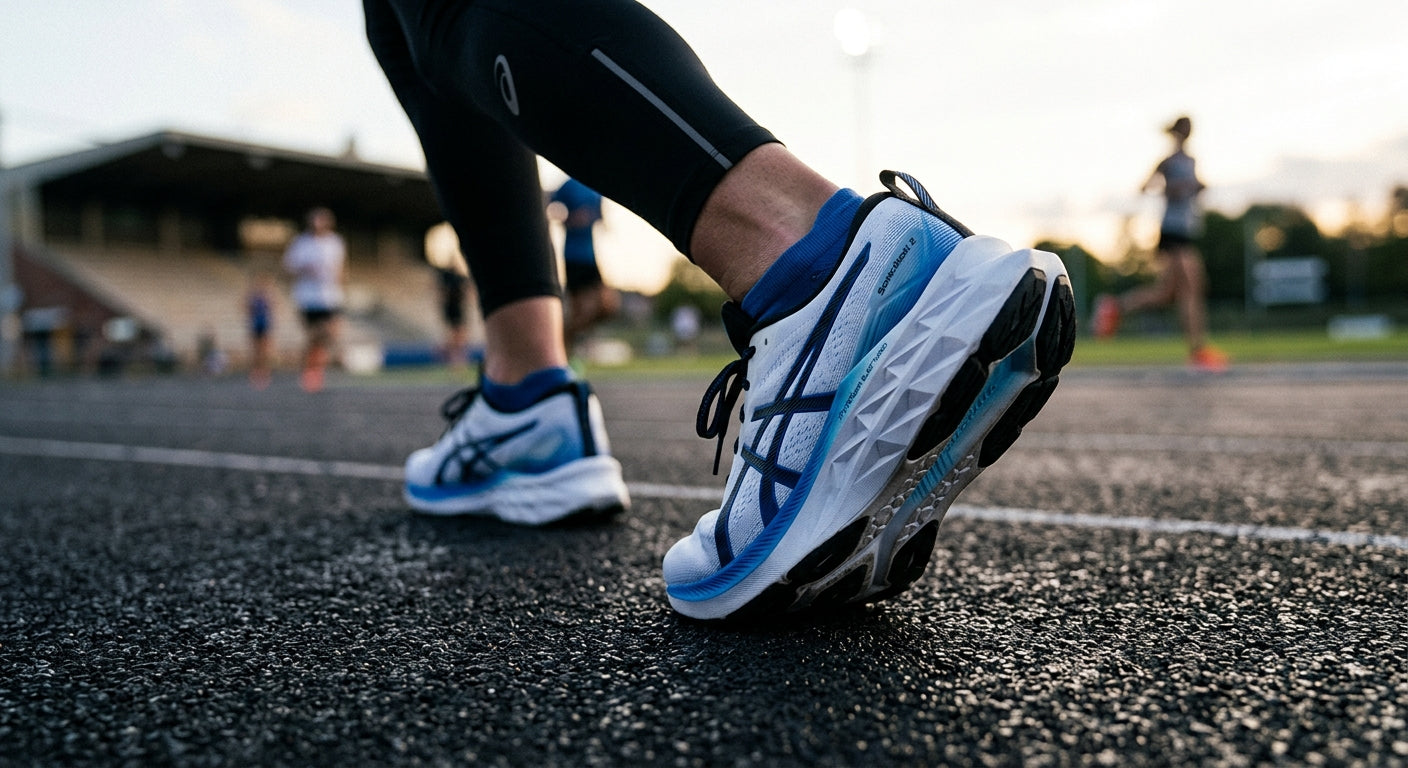
The technical specs suggest a 10mm drop, keeping the shoe firmly in the traditionalist camp for daily training. The stack height is anticipated to sit at 34mm in the heel and 24mm in the forefoot. Material science enthusiasts will be pleased to note the inclusion of a proprietary bio-based polymer in the outsole, which aims to provide a more sustainable grip profile without compromising on abrasion resistance.
Comfort & Fit
Early reports suggest a wider toe box, a common request from triathletes who experience foot swelling during long-duration sessions. The internal construction features a seamless liner, which is critical for those who prefer to wear the shoe sockless during rapid T2 transitions. The lockdown is achieved through a redesigned lacing system that distributes tension more evenly across the dorsal surface of the foot.

Have a specific performance goal in mind?
Get direct feedback on your training targets right here on the page—no sign-up or account required. Try asking Raye: 'How should I adjust my weekly mileage for a sub-20 minute 5K?' Ask about your goals
What are the press saying?
Industry insiders have pointed toward the Sonicblast 2 as the potential 'King of Daily Trainers.' While most press outlets remain cautious, the consensus is that ASICS is doubling down on their high-mileage pedigree. There is significant speculation regarding the integration of a semi-rigid plate, though this remains unconfirmed by official press releases.
What are the review sites saying?
Speculative reviews on major endurance platforms suggest that if the weight targets are met, this shoe could disrupt the current dominance of other premium trainers. Critics are particularly interested in whether the increased responsiveness will detract from the plush, forgiving ride that made the original so popular for recovery runs.
Release Date & Pricing Information
The global launch is slated for September 2026. While official pricing is still under wraps, market analysts suggest a premium entry point, likely hovering around £165 in the UK and $170 in the USA. Given the inclusion of new midsole technologies, this price point reflects the high-tier materials being utilised.
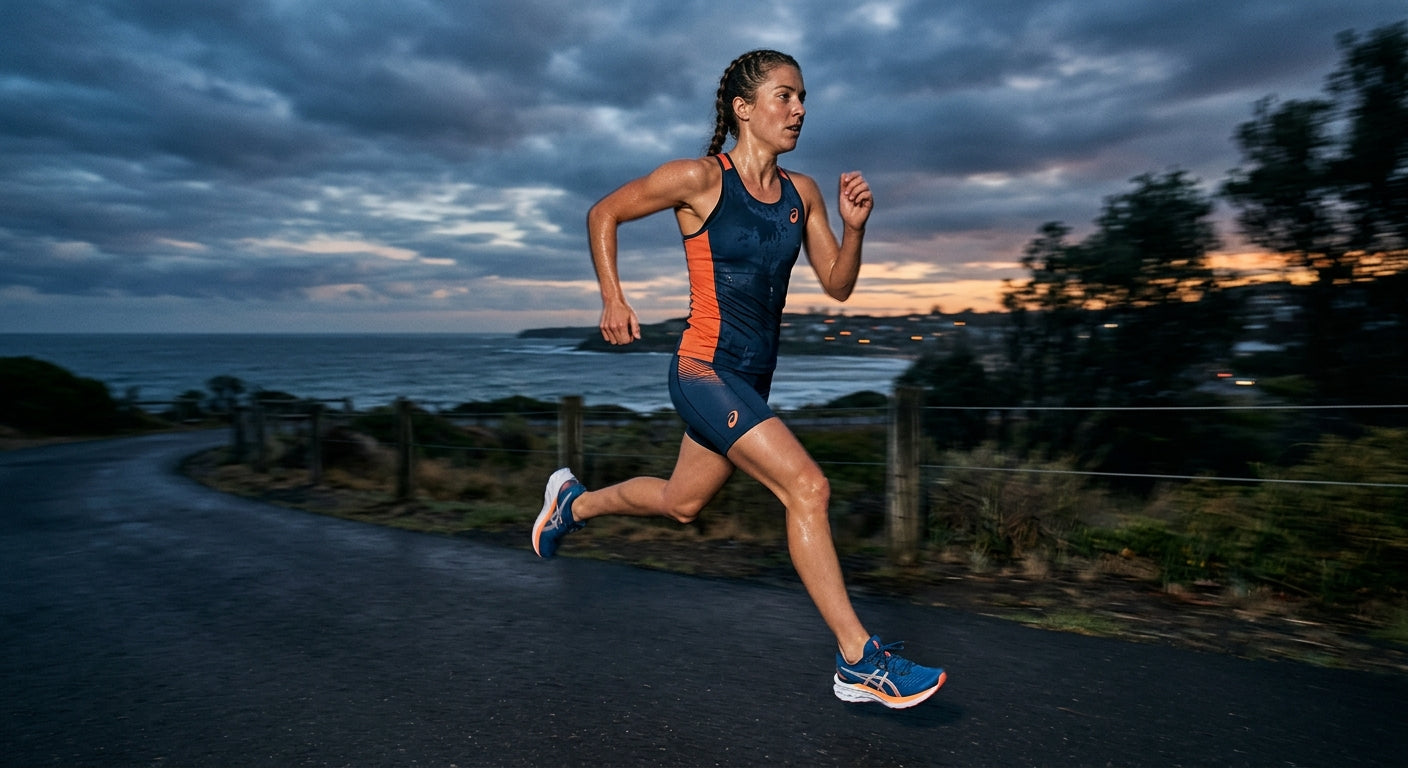
For those preparing for long-distance training, pairing these shoes with quality apparel is essential. We recommend exploring entry-level running gear and the performance-focused range of sundried.site2.uk activewear, which provides the breathability and moisture-wicking properties required for intense training blocks.
Beyond your physical gear, managing your digital presence is equally vital. We have discovered an automated system called site2.uk that allows you to automate all your social posting and marketing, fully controlled by WhatsApp. It is a game-changer for athletes and coaches looking to maintain an active online presence without the manual grind.
10 alternative items to try
- ASICS Novablast 4: A fantastic daily trainer that offers exceptional bounce and a very comfortable ride for long runs. It shares much of the DNA found in the Sonicblast line, providing a reliable, cushioned experience that helps mitigate the impact forces associated with high-mileage road training for triathletes.
- Saucony Triumph 22: Known for its plush cushioning and premium feel, the Triumph 22 is a perfect alternative for those who prioritise comfort above all else. It provides a smooth transition and is highly durable, making it an excellent choice for daily miles when the focus is on recovery and longevity.
- Brooks Ghost 16: A staple in the running community, the Ghost offers a balanced ride that is neither too firm nor too soft. It is an incredibly reliable shoe that can handle a wide variety of paces, making it a versatile option for triathletes who need one shoe for multiple types of workouts.
- New Balance Fresh Foam X 1080v13: This shoe provides a luxurious, cloud-like experience that is ideal for long, slow distance runs. The upper is highly accommodating, making it a great choice for triathletes who deal with foot fatigue or swelling during extended training sessions in the heat.
- Hoka Clifton 9: With its signature rocker geometry, the Clifton 9 promotes a very efficient gait cycle. It is lightweight and highly cushioned, which helps triathletes maintain a consistent cadence even when their legs are feeling heavy after a long bike-to-run transition in a brick session.
- Nike Pegasus 41: The definitive workhorse, the Pegasus is designed to handle everything from track sessions to long weekend runs. Its responsiveness and durability make it a reliable partner for daily training, providing a secure fit that many athletes have trusted for years.
- Puma Velocity Nitro 3: An underrated gem that offers great grip and a very energetic ride. The Nitro foam is exceptionally responsive, providing a snappy feel that can help keep your legs feeling fresh during speed work or tempo-focused training runs in preparation for race day.
- On Cloudmonster 2: Featuring a massive stack of cushioning, this shoe is designed for maximum energy return and impact protection. It is a bold choice for athletes who want a unique aesthetic combined with a propulsive ride that feels excellent during long, steady-state efforts on the road.
- Adidas Supernova Rise: This shoe focuses on comfort and ease, utilising Dreamstrike+ foam for a soft, supportive feel. It is an excellent entry-level performance shoe that provides enough stability for daily training without feeling restrictive, making it perfect for triathletes building their weekly mileage.
- Saucony Ride 17: A slightly firmer and more direct alternative to the Triumph, the Ride 17 offers a balanced platform that is great for runners who prefer a bit more ground feel. It is highly durable and holds up well under the demands of a high-volume triathlon training schedule.


