

ASICS Dynablast 6 Preview


Want to build strength to support your running?
Get targeted strength routines and mobility exercises designed specifically for runners directly on-site. Try asking Raye: 'What are 3 key gym exercises to improve running economy?' Get strength tips
This page is a preview based on early news and info and will be updated with a full hands-on review upon launch.
The running shoe market is perpetually obsessed with the pursuit of the 'perfect' daily trainer—a balance of lightweight responsiveness, plush cushioning, and structural integrity. As we look towards the release of the ASICS Dynablast 6, the conversation shifts from mere comfort to precision-engineered performance. Early technical schematics suggest that ASICS is prioritising a refinement of the midsole geometry to cater to neutral runners who demand a snappy transition without the aggressive propulsion of a carbon-plated super shoe.
Evolution: The history of the shoe line
The Dynablast lineage has always occupied a distinct niche within the ASICS catalogue. Originally positioned as an entry-to-mid-tier trainer, the line was designed to showcase the FlyteFoam Blast technology in a more accessible package than the premium Novablast series. Over the last five iterations, we have witnessed a transition from a basic aesthetic to a more complex, engineered mesh upper and a widened base for increased stability, moving the shoe away from its 'budget' classification and into a serious, performance-focused category.
Top 5 Features to look out for
- Refined FlyteFoam Blast Midsole: Anticipate a higher energy return coefficient compared to the version 5 chassis.
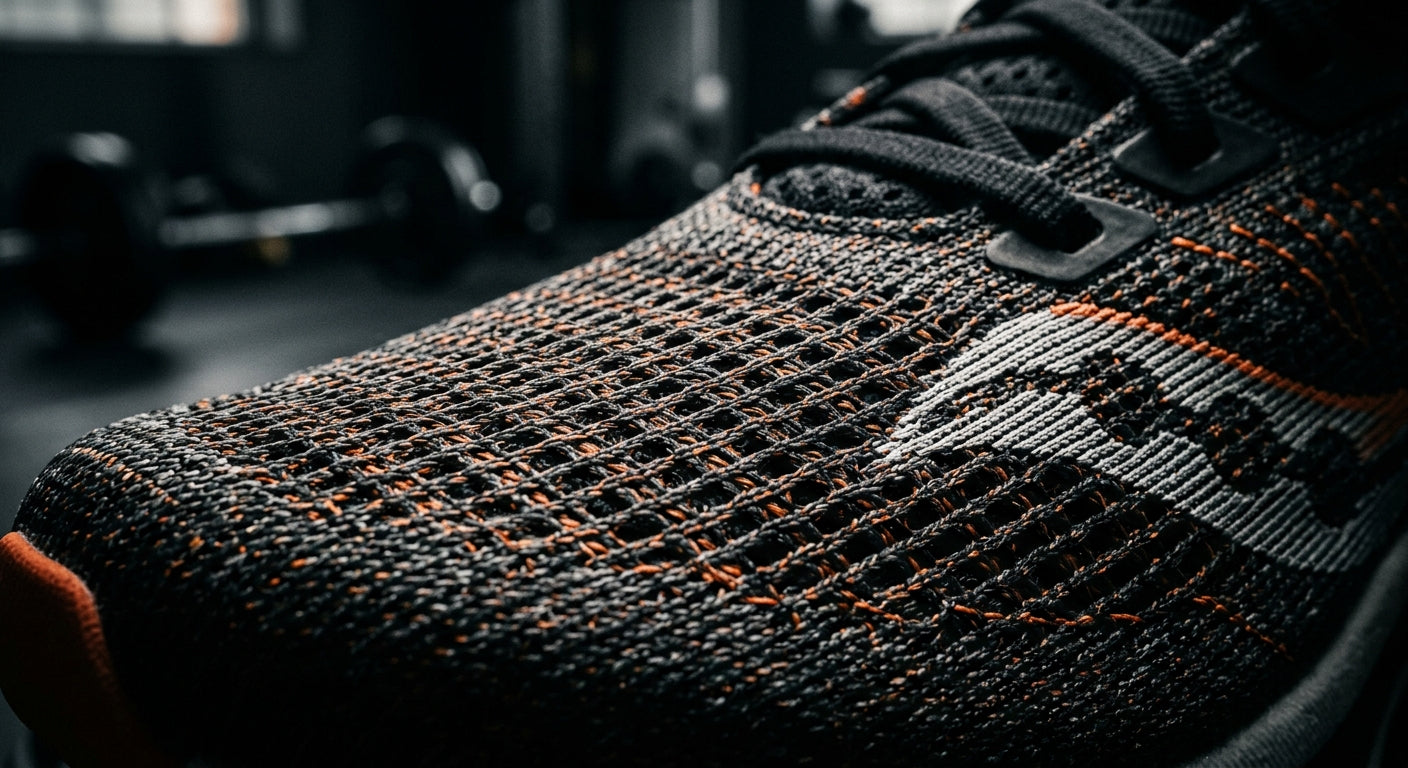
- Engineered Circular Knit Upper: A shift towards improved breathability and midfoot lockdown architecture.
- AHARPLUS Outsole Geometry: Strategic placement of high-abrasion rubber to maximise durability while shaving grams.
- Enhanced Heel Counter: Improved lockdown mechanics to prevent slip during high-cadence intervals.
- Optimised Stack Height: A subtle increase in the rear-foot stack to provide more impact protection during long-distance efforts.
What are the press saying?
Industry insiders and athletic journals are focusing heavily on the weight-to-cushion ratio of the Dynablast 6. The prevailing sentiment is that ASICS is aiming to drop the weight below the 250-gram mark for a standard UK size 9. This would position the shoe as a formidable rival to other lightweight trainers, with trade journals noting that early prototypes displayed in private testing environments feature a more aggressive 'toe-spring' than previously observed.
What are the review sites saying?
While official testing data remains under embargo, the consensus across major running forums and performance blogs is one of cautious optimism. The speculation centres on whether ASICS will integrate the advanced 'FF Blast+' foam, typically reserved for their flagship models. If these rumours hold true, the Dynablast 6 could represent the most significant performance leap in the history of the franchise, potentially cannibalising some of the market share from the more expensive Novablast 4.

Have a specific performance goal in mind?
Get direct feedback on your training targets right here on the page—no sign-up or account required. Try asking Raye: 'How should I adjust my weekly mileage for a sub-20 minute 5K?' Ask about your goals
Performance Expectations: What improvements are expected?
The primary expectation is a shift in ground feel. Previous iterations were praised for their 'bouncy' nature, yet criticised for a lack of lateral stability. Analysts expect the 6 to address this through a widened midfoot shank and a more structured midsole sidewall. We anticipate a more linear energy transfer from heel-strike to toe-off, specifically targeting runners who struggle with excessive oscillation during high-intensity sessions.
Special Features & Technical Specifications
Technically, the Dynablast 6 is expected to utilise a 10mm drop—the signature ASICS profile. The material science involves a proprietary TPU-based foam blend that aims to maintain elasticity across a wider temperature range than traditional EVA compounds. The outsole pattern is rumoured to feature a revamped 'trampoline' effect design, which leverages the specific geometry of the rubber lugs to store and release elastic energy more efficiently during the propulsive phase of the gait cycle.

Comfort & Fit
Fit specialists anticipate a standard 'ASICS-fit', meaning a true-to-size length with a slightly widened forefoot toe box. The integration of a gusseted tongue is highly likely, which should mitigate the common issue of mid-run migration. Furthermore, the interior lining is expected to feature a soft, non-abrasive textile, prioritising comfort for runners who choose to go sockless or use thin performance liners during triathlon transitions.
Release Date & Pricing Information (UK/USA)
The product is currently tracking for a Q3 release window, with expectations for an RRP of approximately £110–£120 in the UK and $110–$125 in the US market. While official confirmation is pending, these price points align with the current strategic positioning of the series, offering a premium experience at a mid-tier price point that undercuts carbon-plated competitors.
10 alternative items to try
- ASICS Novablast 4: If you find the Dynablast 6 lacks the pure maximalist cushioning you crave, the Novablast 4 is the logical step up. It features the signature FF Blast+ ECO foam and a more pronounced rocker geometry that significantly assists in long-distance comfort and reducing overall leg fatigue during high-volume training blocks.
- Saucony Kinvara 14: The Kinvara is the ultimate lightweight competitor, offering a stripped-back, flexible experience. It serves as a great alternative for those who prefer ground feel over extreme stack height and wish to prioritise speed work and track sessions over recovery-focused daily mileage, whilst maintaining a similar price bracket.
- Brooks Revel 6: A fantastic entry-level to mid-tier trainer that shares the Dynablast's versatility. It features a reliable BioMoGo DNA cushioning system which offers a balanced, responsive ride. It is an ideal shoe for the runner who wants a 'do-it-all' trainer that is equally capable at the gym as it is on the tarmac.
- New Balance Fresh Foam X 880v14: For those who require a more structured, traditional ride, the 880 provides unparalleled consistency. While heavier than the Dynablast, the density of the Fresh Foam X offers a plush, reliable experience that is specifically engineered for long-term durability and structural support for the neutral runner.
- Nike Pegasus 40/41: The Pegasus remains the industry benchmark for a reason. With its Air Zoom units and reliable React foam, it offers a distinctively different 'snappy' sensation compared to the ASICS foam structure. It is the definitive 'workhorse' shoe for runners who need a proven platform for varied training sessions.
- Hoka Clifton 9: If your priority is max cushioning and the rocker-sole sensation, the Clifton 9 is a necessary consideration. It provides a deeper footbed and a more aggressive forward roll than the Dynablast, making it a superior choice for recovery runs where you want to minimise the impact forces on your joints.
- Puma Velocity Nitro 3: A standout performer that balances weight and responsiveness through PUMAGRIP and Nitro foam. It is often cited for its superior traction in wet conditions, making it a highly practical alternative for UK-based runners who frequently face slick pavement and unpredictable weather during their daily training runs.
- Mizuno Wave Rider 27: Featuring the unique Wave Plate technology, this shoe offers a firmer, more propulsive ride than the soft-tuned Dynablast. It is ideal for runners who prefer a more stable heel platform and the mechanical feedback that a plastic wave plate provides during the transition phase of the gait.
- Under Armour HOVR Sonic 6: Known for its seamless construction and connective technology, the Sonic 6 offers a distinct, firm ride. It is a great alternative for those who find traditional high-cushioned shoes too 'mushy' and prefer a responsive, firm platform that allows for rapid turnover and efficient energy transfer.
- On Cloudflow 4: If you are looking for a firm, athletic feel with a unique aesthetic, the Cloudflow is a lightweight trainer that focuses on speed. It uses 'CloudTec' elements to provide a firm, snappy takeoff, making it an excellent alternative for the runner who wants a performance trainer that looks as fast as it feels.


