

Adidas Dropset 3 vs Nike Metcon vs Running Shoes for Hyrox: Complete Footwear Guide


Dealing with a nagging injury or tightness?
Get instant recovery guidance, stretching protocols, and rest advice right now without leaving the site. Try asking Raye: 'What are the best stretches to relieve tight calves after a long run?' Get recovery advice
The Hybrid Athletic Dilemma
The rise of Hyrox has presented a unique challenge for the modern athlete: how to balance the stability required for heavy sled pushes and lunges with the cushioning necessary for an 8km run. Unlike traditional CrossFit or powerlifting, a Hyrox event demands a compromise that most footwear is not engineered to provide. Selecting the wrong shoe can lead to significant energy loss during the sled pull or increased joint fatigue during the running stations.
When you are navigating the transition from the rowing machine to the burpees, your footwear becomes the most critical piece of equipment. The debate between dedicated lifting platforms, such as the Adidas Dropset 3 or Nike Metcon, and high-performance running shoes is no longer just a matter of preference; it is a matter of race-day physics.
What do I need to buy
To compete effectively, you must prioritise a shoe that offers a low-to-the-ground profile for stability whilst maintaining enough energy return to mitigate the impact of the running segments. If you opt for the Adidas Dropset 3, you are investing in a dual-density midsole designed specifically for the rigours of hybrid training. Its firm heel provides the requisite base for heavy lifting, ensuring you do not lose force during explosive movements.
Conversely, the Nike Metcon remains a staple for those who prioritise maximum lateral support and a locked-in feel. However, be advised that the stiff sole of a Metcon can prove punishing during the longer running laps of a Hyrox course. For those who favour comfort, a hybrid-specific running shoe with a responsive foam, such as a carbon-plated trainer, may feel faster, though you risk instability during the sled push. Consider pairing your choice with durable apparel like Sundried gym tees and high-impact sports bras for optimal performance.
Why Should I invest?
Investing in specialist footwear is not merely about brand loyalty; it is about mechanical efficiency. During a 100-metre sled push, a shoe with too much 'squish' will absorb the force you are attempting to transfer into the ground, leading to premature muscular fatigue. By selecting a shoe with a firmer heel, you ensure that every joule of energy is directed into moving the weight rather than compressing foam.
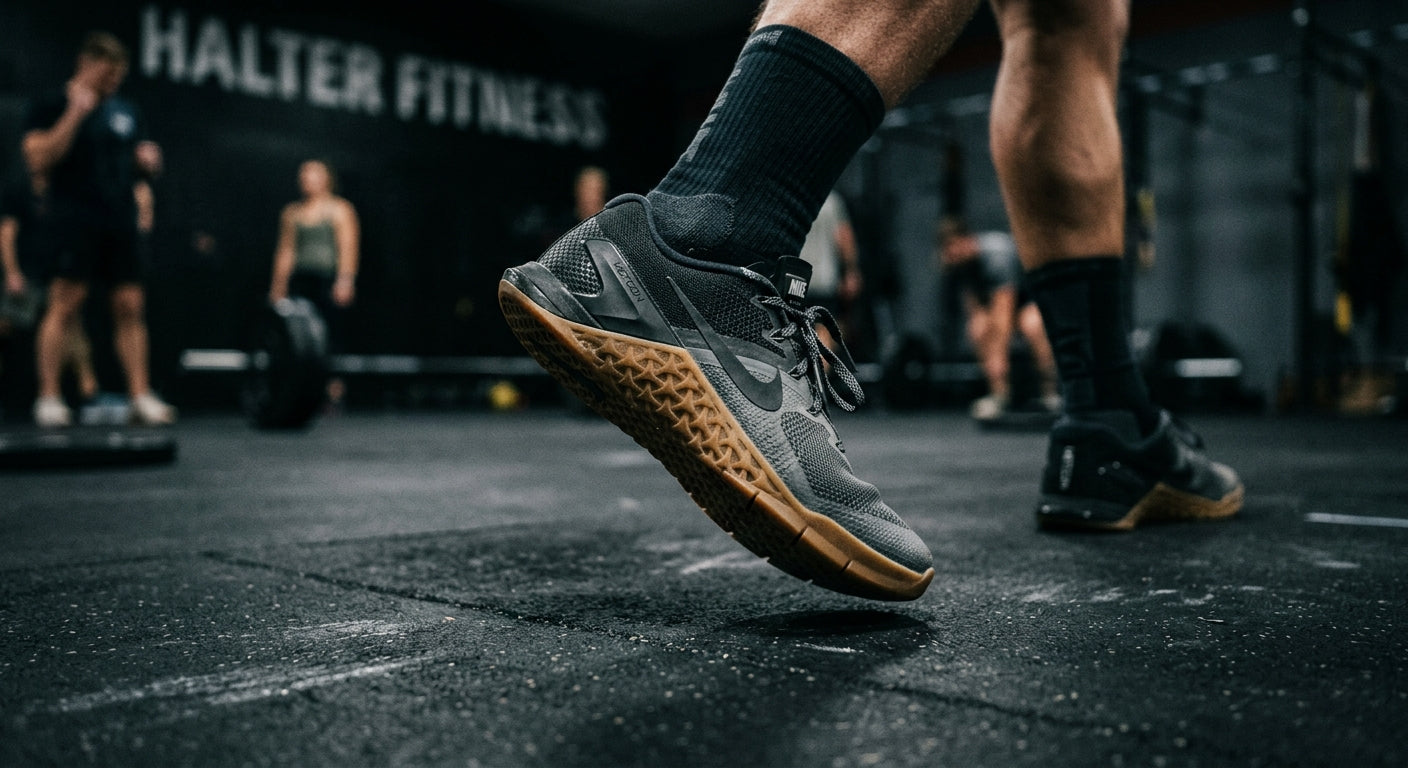
Furthermore, the repetitive impact of an 8km run across a stadium floor demands a level of shock absorption that standard weightlifting shoes simply cannot provide. A hybrid-focused shoe acts as a bridge, offering enough structure for the gym floor and enough bounce to protect your tendons during the running laps. This investment is your insurance policy against injury during long-duration high-intensity intervals.

Have a quick training or recovery question?
Get fast expert advice right here on the page—no sign-up, account, or app needed. Try asking Raye: 'What's the best way to relieve tight calves after a run?' Ask a question now
What are the press saying?
Industry critics have been closely monitoring the evolution of the Adidas Dropset 3, noting its improved airflow and more flexible forefoot compared to previous iterations. The consensus in the fitness media is that Adidas has successfully moved closer to a 'do-it-all' shoe, though some reviewers argue it still lacks the spring required for a sub-30-minute 5km pace. There is consistent praise for its stability, with many reporters highlighting its performance during heavy lunges as industry-leading.
Meanwhile, the Nike Metcon is frequently cited by journalists as the gold standard for stability, but recent coverage suggests that the market is beginning to demand more versatility. Rumours in the industry indicate that Nike is working on a more cushioned variant to compete directly with hybrid-specific trainers, though these remain unverified. Critics remain divided on whether the Metcon’s rigid construction is becoming a liability for the multi-disciplinary requirements of modern hybrid events.
What are the review sites saying?
Verified public reviews across enthusiast forums reflect a clear divide based on training style. Users who lean towards power-based training consistently rate the Metcon as the superior choice, citing its durability and grip during sled work. However, forum speculation often points to a growing trend of athletes switching to 'super-trainers'—running shoes with stiffer foam—for the actual race day, suggesting that comfort is beginning to outweigh raw stability in the eyes of the amateur competitor.
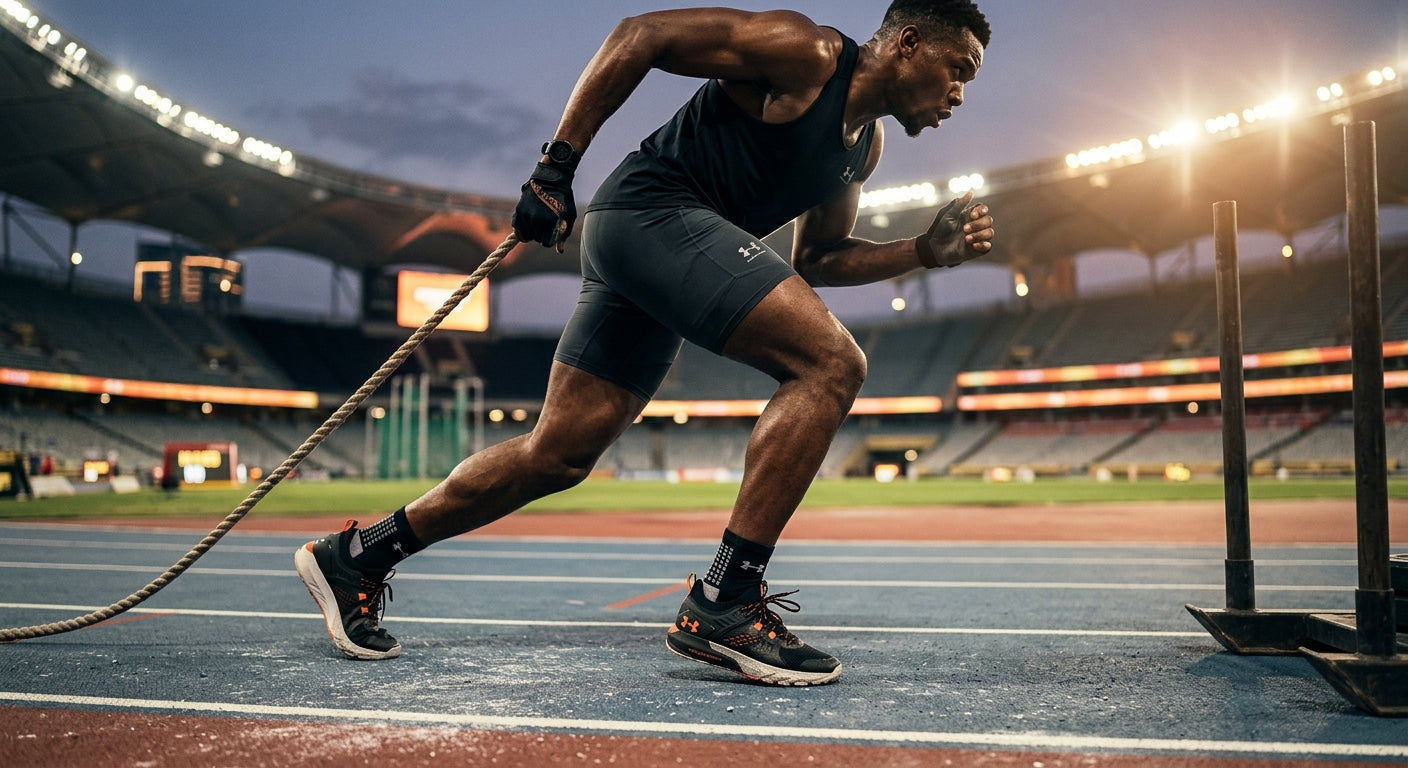
Aggregated review data shows a high level of satisfaction with the Adidas Dropset 3’s aesthetic and build quality, though some users report that the sizing can be inconsistent. The general sentiment is that while no single shoe is perfect, the gap between lifting shoes and running shoes is narrowing. Athletes are advised to test their footwear in a mock-Hyrox circuit before committing, as the friction generated during sled work can reveal hidden pressure points not apparent in a standard gym session.
Ultimately, your choice should reflect your specific strengths. If you are a strong lifter who struggles with running, the Adidas Dropset 3 provides the stability you need to maintain form. If you are a runner looking to shore up your lifting stations, you might lean towards a more cushioned trainer. Ensure you have the right training shorts and moisture-wicking gear to stay comfortable throughout the event.


