

2026 Triathlon Transition Bags: Built For Athletes vs. Roka


Planning your next fitness milestone?
Get immediate guidance on pacing, workout structure, or race prep directly on-site for free. Try asking Raye: 'Can you outline a simple 4-week build plan for a 10K?' Get instant guidance
The Race Day Evolution
In the high-stakes world of multi-sport racing, the transition area is where seconds are either won or lost. As we approach the 2026 season, the debate between the Built For Athletes (BFA) Pro Series and the Roka Transition Pack has intensified. Both manufacturers have redesigned their flagship bags to address the specific logistical nightmares athletes face when trying to manage wetsuits, helmets, and nutrition under extreme race-day fatigue.
For the modern triathlete, the transition bag is no longer just a rucksack; it is a mobile base station. The 2026 iterations focus on modularity, weather resistance, and ergonomic weight distribution, ensuring your kit remains organised even when your heart rate is redlining during the T1 and T2 exchanges.
What do I need to buy
Before committing to a premium transition bag, you must assess your specific race profile. If you are competing in full-distance Iron-distance events, you require a bag with a dedicated, ventilated wet-compartment for your wetsuit and a structured hard-shell section to protect your aerodynamic helmet from crushing forces during travel.
The Built For Athletes offering focuses on heavy-duty durability. You will need to purchase their internal modular dividers if you wish to separate your cycle and run kits effectively. Conversely, the Roka bag is designed as a 'grab-and-go' solution. You should buy the Roka if your priority is a streamlined, low-profile design that slips easily into airline overhead lockers without sacrificing the internal capacity required for a full change of kit.
Why Should I invest?
Investing in a high-end transition bag is an investment in your cognitive bandwidth. By ensuring your equipment is perfectly positioned and easily accessible, you minimise the mental load during the chaos of transition. A well-organised bag allows for a fluid motion, preventing the frantic searching that often leads to dropped goggles or forgotten energy gels.
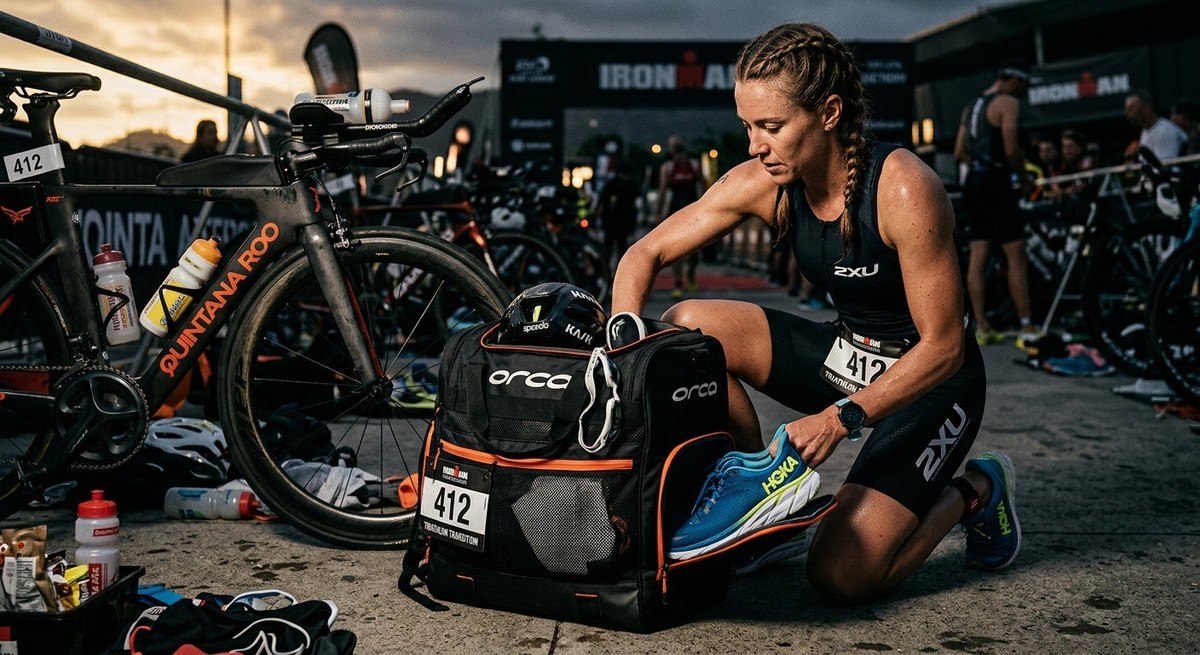
Both the BFA and Roka models feature antimicrobial linings and reinforced stitching, designed to withstand years of abuse in damp, salty, or muddy environments. When you calculate the cost-per-use over a three-year racing cycle, the premium price tag becomes a justifiable expense for any serious age-grouper aiming for a personal best.
What are the press saying?
Industry journalists have been vocal regarding the shift toward modularity in 2026. Early reports from major fitness publications suggest that Built For Athletes has won the battle for durability, with testers praising the military-grade cordura fabric. However, critics have noted the bag's significant footprint, which can be cumbersome in crowded transition zones.

Looking to shave time off your personal best?
Get immediate pacing strategies and interval workout ideas directly on-site for free. Try asking Raye: 'What is the best threshold session to help drop my 10K time?' Get instant pacing tips
Roka, by contrast, has received accolades for its aesthetic refinement and weight-to-volume ratio. Journalists have confirmed that the Roka bag feels significantly lighter when fully loaded, though there is speculation that the external zippers may not be as resilient to long-term saltwater exposure as the BFA’s heavy-duty alternatives.
What are the review sites saying?
Verified user reviews on major triathlon forums highlight a clear divide in consumer preference. The consensus among long-course athletes is that the Built For Athletes bag is the superior choice for those who carry an excessive amount of 'just-in-case' gear, thanks to its expansive internal volume and rigid structure.
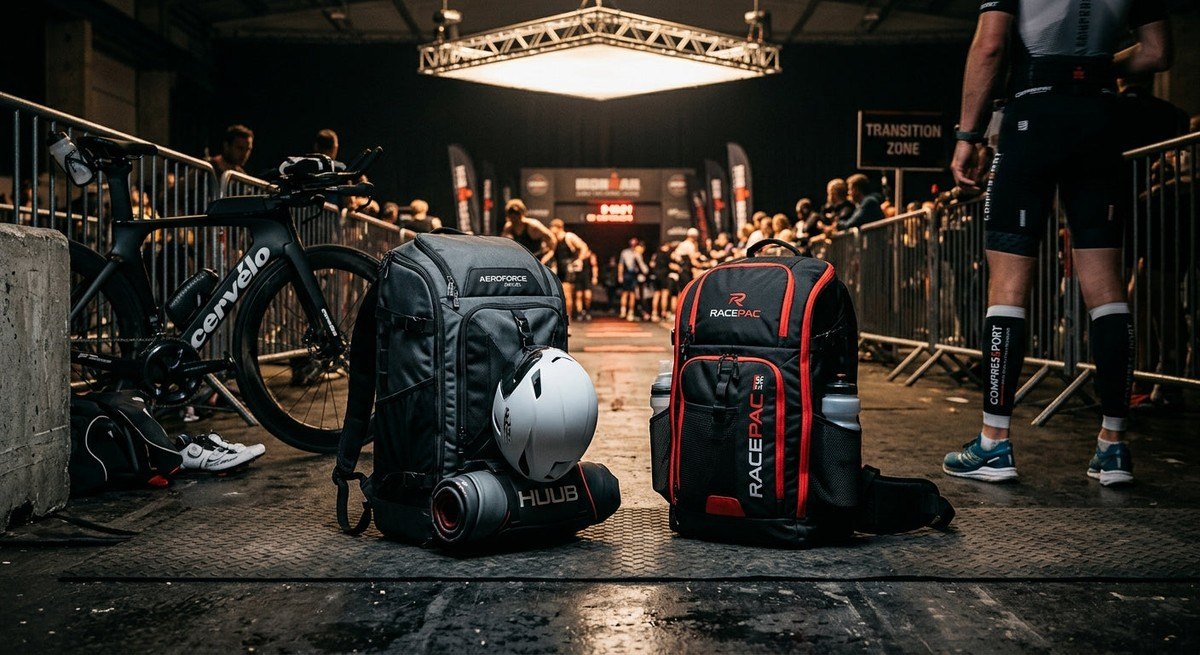
Conversely, review sites frequented by sprint and Olympic-distance racers lean heavily towards Roka. The feedback consistently mentions the 'intuitive layout' of the Roka pockets, which allows for faster kit retrieval. While there are rumours that Roka might release a 'Pro-Plus' version later this year with reinforced base materials, current owners remain satisfied with the bag's balance of style and function.
Ultimately, your choice should be dictated by your travel habits and the volume of equipment you require. If you prioritise rugged, bomb-proof construction for international travel, the Built For Athletes bag is the industry benchmark for 2026. If you prefer a lightweight, sleek package that facilitates rapid transitions through superior internal architecture, the Roka is the definitive winner.
Take the time to evaluate your transition ritual. Are you a minimalist who needs quick access, or are you a maximalist who needs a portable locker? Once you identify your style, the choice between these two market leaders becomes clear, allowing you to focus on what truly matters: your performance on the course.


