

Optimising Exogenous Carbohydrate Oxidation: The Science of 1:0.8 Ratios


Dealing with a nagging injury or tightness?
Get instant recovery guidance, stretching protocols, and rest advice right now without leaving the site. Try asking Raye: 'What are the best stretches to relieve tight calves after a long run?' Get recovery advice
The Evolution of Carbohydrate Transport
For decades, endurance athletes were limited by the physiological ceiling of intestinal carbohydrate absorption. Conventional wisdom dictated a maximum intake of 60g of carbohydrates per hour, primarily relying on glucose. Exceeding this threshold often resulted in severe gastrointestinal distress, as the SGLT1 transporters responsible for glucose uptake became saturated. The breakthrough arrived with the discovery that fructose, when utilised alongside glucose, employs an entirely separate pathway—the GLUT5 transporter—effectively bypassing the glucose-saturated bottleneck.
This dual-transport mechanism allows the body to oxidise exogenous carbohydrates at rates previously thought impossible. Early research suggested a 2:1 glucose-to-fructose ratio was the gold standard. However, recent advancements in sports nutrition science have identified that shifting the ratio to 1:0.8 provides superior oxidation efficiency, reducing the risk of gut-related issues while maximising fuel availability for the working muscles.
How much improvement can I expect?
By transitioning to a 1:0.8 ratio, athletes can comfortably increase their hourly intake from the traditional 60g ceiling to between 100g and 120g per hour. This is not merely a marginal gain; it represents a significant increase in the total energy substrate available for high-intensity efforts during the bike leg of a triathlon or a long-distance cycling event.
Clinical studies indicate that this hyper-loading of carbohydrates preserves endogenous glycogen stores, delaying the onset of central fatigue. Athletes can expect to maintain higher power outputs during the latter stages of a race, where glycogen depletion typically leads to a performance slump. By ensuring the gut is not overwhelmed, the 1:0.8 ratio facilitates consistent energy delivery, which is critical for maintaining cadence and aero efficiency on long, technical cycling courses.

Top 5 Core Features
- Enhanced Absorption Rates: Utilises distinct SGLT1 and GLUT5 pathways to achieve oxidation rates exceeding 100g/hr.
- Reduced GI Distress: Minimises the accumulation of unabsorbed carbohydrates in the small intestine, preventing cramping and bloating.
- Glycogen Sparing: Preserves limited liver and muscle glycogen stores for the final, decisive phases of an endurance event.
- Optimised Osmolality: Formulations designed for rapid gastric emptying, ensuring fuel reaches the bloodstream faster.
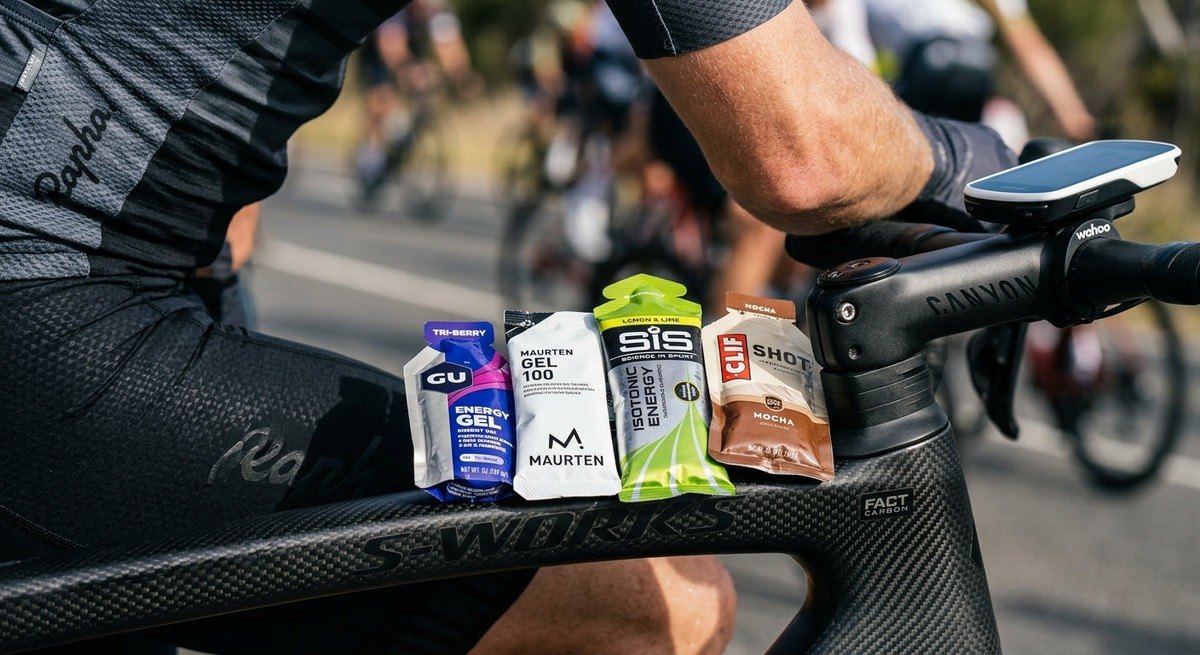
- Versatile Delivery: Engineered for seamless integration into aero cycling frames, top-tube fuel bags, and trisuit storage pockets for high-speed accessibility.
Other Benefits
Beyond pure oxidation, the 1:0.8 ratio supports metabolic homeostasis under extreme stress. As the body enters a state of high-intensity output, the blood flow is shunted away from the digestive tract to the working limbs. A high-efficiency fuel source that requires minimal processing allows the gut to function optimally even under reduced perfusion. This is a game-changer for athletes navigating the aerodynamic demands of an aero cycling frame, where comfort and consistent energy levels are paramount.

Have a quick training or recovery question?
Get fast expert advice right here on the page—no sign-up, account, or app needed. Try asking Raye: 'What's the best way to relieve tight calves after a run?' Ask a question now
Furthermore, the ability to carry concentrated fuel sources in trisuit pockets or top-tube fuel bags means that athletes can maintain their position and focus. The 1:0.8 ratio allows for more compact, nutrient-dense gels and drink mixes, reducing the overall weight and bulk an athlete must carry. This integration of nutritional science and equipment design is essential for the modern endurance competitor.
Identifying high-quality products is crucial. Athletes should look for labels that clearly state the 1:0.8 ratio and confirm the absence of excessive sweeteners or artificial additives that may interfere with gastric emptying. High-quality formulations often use maltodextrin as the glucose source to ensure a rapid rise in blood glucose levels.
As research continues to refine these ratios, the limit of human performance is being redefined. By prioritising digestive efficiency, endurance athletes are now capable of sustaining efforts that were once considered physiologically unsustainable. The era of the 100g-plus hourly intake has arrived, and it is built on the precision of molecular transport.


