

Managing Nutrition on Multi-Day Bikepacking Trips


Planning your next fitness milestone?
Get immediate guidance on pacing, workout structure, or race prep directly on-site for free. Try asking Raye: 'Can you outline a simple 4-week build plan for a 10K?' Get instant guidance
The Physiology of Endurance
Bikepacking represents the ultimate convergence of physical endurance and logistical precision. When you are spending upwards of eight hours a day in the saddle, your body functions less like a commuter and more like a furnace requiring constant, high-octane fuel. Managing nutrition on a multi-day trek is not merely about avoiding hunger; it is a complex exercise in biochemical maintenance.
The primary challenge for the long-distance cyclist is the maintenance of glycogen stores while operating within a restricted weight budget. Every gram carried must justify its existence through caloric density. Failure to account for the metabolic cost of high-intensity climbing or sustained aerobic output results in the dreaded 'bonk,' a state of acute hypoglycaemia that can end an adventure prematurely.
Strategic Calorie Density
To sustain performance, you must prioritise energy-dense foodstuffs. The gold standard for bikepackers is a target of 4,000 to 6,000 calories per day, depending on the terrain and intensity. This requires a shift in mindset: discard the idea of 'healthy' meals in the traditional sense and replace it with a focus on nutrient-dense, easily digestible macronutrients.
Carbohydrates remain the primary fuel source for the muscles. However, relying solely on simple sugars creates insulin spikes and subsequent crashes. Instead, focus on complex carbohydrates combined with healthy fats, which provide a slower, more sustained release of energy throughout the day.
How much improvement can I expect?
When you transition from erratic, convenience-store nutrition to a structured, calorie-dense strategy, the improvements in performance are measurable. Athletes who implement precise fuelling protocols typically report a 15 to 20 per cent increase in sustained power output during the final stages of a multi-day trip. You will notice a significant reduction in muscular fatigue and a marked improvement in cognitive clarity, which is essential for technical navigation.
Beyond physical output, proper nutrition stabilises your mood and emotional resilience. The psychological toll of long-distance cycling is heavy, and blood glucose stability acts as a buffer against the irritability and decision-making errors that often plague tired adventurers. Consistency is the key to unlocking this physiological efficiency.
Top 5 Core Features
- Caloric Density: Prioritising foods like nut butters, olive oil, and dehydrated proteins to maximise energy per gram.
- Glycaemic Management: Utilising a blend of complex carbohydrates and healthy fats to ensure sustained blood sugar levels.
- Hydration Logistics: Integrating electrolyte powders to prevent hyponatremia and ensure optimal muscle function.
- Digestive Ease: Selecting pre-packaged, lightweight meals that minimise gastrointestinal distress during intense exertion.
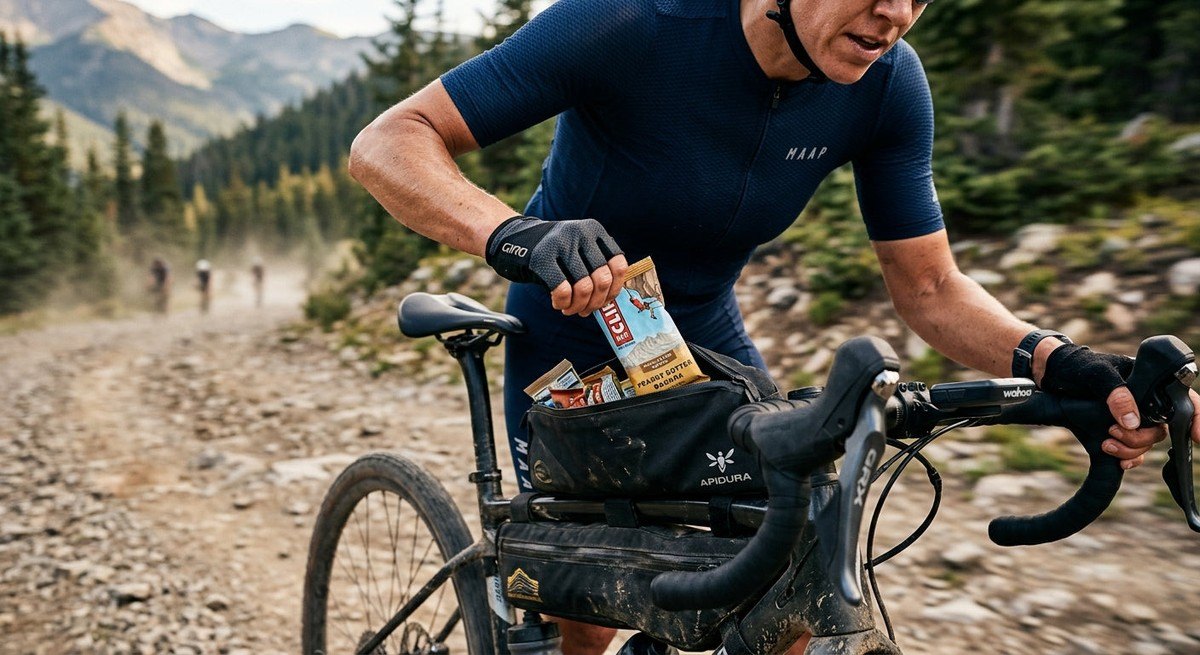
- Accessibility: Designing a food storage system that allows for 'on-the-bike' consumption without the need to stop.
Other Benefits
Beyond the immediate performance gains, a well-managed nutritional strategy facilitates faster recovery. By incorporating high-quality protein sources at the end of each day, you initiate the muscle protein synthesis necessary to repair the micro-tears caused by repetitive pedalling. This accelerates your ability to perform at a high level on consecutive days.

Looking to shave time off your personal best?
Get immediate pacing strategies and interval workout ideas directly on-site for free. Try asking Raye: 'What is the best threshold session to help drop my 10K time?' Get instant pacing tips

Furthermore, a structured nutritional plan simplifies your logistical load. By pre-calculating your caloric requirements, you reduce the time spent in shops and the weight of unnecessary food items. This efficiency allows you to focus on the terrain and the experience rather than the anxiety of running out of supplies.
It is essential to trial your nutritional strategy during shorter training rides before embarking on a multi-day excursion. The gut is a trainable organ, and understanding how your system reacts to specific food sources under pressure is a critical component of your preparation. Do not introduce novel, high-fibre, or complex foods during a long-distance event.
Finally, consider the environmental impact of your choices. Opt for bulk-packaged supplies to reduce plastic waste and seek out sustainable energy sources. By managing your nutrition with the same rigour as you maintain your bicycle, you ensure that you remain strong, focused, and capable of conquering the most demanding routes.


