

Humidity and Sweat Sodium Concentration: Transitioning Hydration Mixes from Dry Heat to Arena Environments


Dealing with a nagging injury or tightness?
Get instant recovery guidance, stretching protocols, and rest advice right now without leaving the site. Try asking Raye: 'What are the best stretches to relieve tight calves after a long run?' Get recovery advice
The Physics of Sweat in Confined Arenas
For the elite fitness racer, the transition from outdoor training to the high-intensity, humidity-saturated air of an indoor arena is a physiological shock. While dry heat relies on efficient evaporative cooling, indoor arenas often trap moisture, creating a high vapour pressure deficit that inhibits the body’s primary cooling mechanism: sweat evaporation. When sweat sits on the skin rather than evaporating, core temperature rises, forcing the body to produce even more fluid to compensate, thereby accelerating the loss of vital electrolytes.
Vapour Pressure Deficit and Thermoregulation
Vapour pressure deficit (VPD) represents the difference between the moisture in the air and the moisture the air can hold when saturated. In a dry, outdoor setting, your sweat evaporates instantly, pulling heat away from the skin. In the stagnant, humid air of an indoor racing venue, this process stalls. Your body responds by increasing the sweat rate, which shifts the electrolyte balance significantly. Understanding this shift is the difference between maintaining output and hitting a metabolic wall during the final sled pull.
The Science of Sodium Concentration
Sodium is the primary electrolyte lost in sweat, and its concentration varies wildly between individuals—ranging from 200mg to over 2,000mg per litre of sweat. In high-humidity arena environments, the sheer volume of fluid loss can lead to rapid hyponatremia if replaced solely with water. Research indicates that the sodium-glucose cotransport system requires precise concentrations of sodium to facilitate water absorption in the small intestine. When you train in an arena, your hydration mix must be calibrated to account for higher volume loss and the reduced efficiency of your internal cooling systems.
How much improvement can I expect?
Athletes who transition from a 'one-size-fits-all' hydration approach to a data-backed, sodium-calibrated protocol often report a 10-15% increase in sustained power output during the latter stages of a race. By maintaining plasma volume through adequate sodium intake, you delay the onset of cardiovascular drift, where heart rate climbs while pace declines. This is critical for maintaining your target split times throughout an endurance-heavy event like a Hyrox race.
Top 5 Core Features
- High-Density Electrolyte Profiling: Formulations that provide at least 500mg of sodium per 500ml of fluid to match the high sweat rates triggered by arena humidity.
- Glucose-Sodium Co-transport: Leveraging specific ratios of glucose to sodium to maximise the rate of fluid uptake, ensuring the stomach empties quickly during high-intensity bouts.
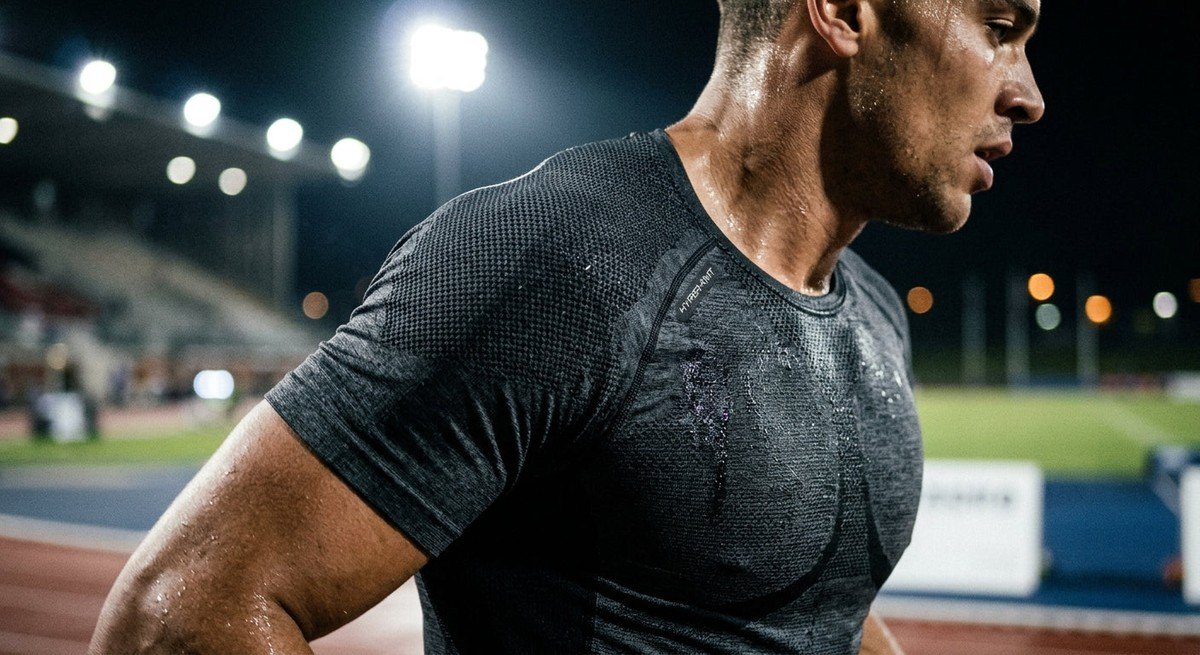
- Moisture-Wicking Fabric Technology: Utilising synthetic, hydrophobic fibres in arena tops and shorts to actively move moisture away from the skin, assisting in the cooling process where evaporation is limited.
- High-Absorbency Microfibre Towels: Professional-grade gym towels that remove excess moisture from the skin, preventing the 'insulation effect' caused by thick layers of sweat.
- Osmolality Calibration: Ensuring the hydration mix remains isotonic or slightly hypotonic to prevent gastrointestinal distress while under the physical strain of heavy lifting and running.
Other Benefits
Beyond simple performance metrics, a refined hydration and gear strategy significantly reduces the risk of exercise-associated muscle cramps. Cramping is rarely just a lack of salt; it is often a breakdown in the communication between the central nervous system and the peripheral muscles, exacerbated by dehydration. By stabilising your fluid balance, you protect neural function. Furthermore, using moisture-wicking apparel prevents the chafing and skin maceration often caused by heavy, sweat-soaked cotton, allowing you to focus entirely on your transitions.

Have a quick training or recovery question?
Get fast expert advice right here on the page—no sign-up, account, or app needed. Try asking Raye: 'What's the best way to relieve tight calves after a run?' Ask a question now
Equipping for the Arena
Your gear is an extension of your thermoregulatory system. In an arena, prioritise lightweight, laser-cut apparel that promotes maximum airflow. If the air in the venue is stagnant, your clothing becomes your primary cooling aid. Match this with a high-quality gym towel designed to pull moisture away from the skin during the transition zones. Every gram of moisture removed from your body surface is a step towards better heat management.
Identifying High-Quality Hydration
When selecting a hydration product, ignore the marketing fluff and look at the ingredient label. A high-quality mix should explicitly list the sodium content in milligrams, not just as a percentage of a daily value. Prioritise formulas that avoid excessive artificial sweeteners, as these can cause gastrointestinal issues under the stress of a race. Look for third-party testing certifications, ensuring that what is on the label is exactly what is in the sachet.
The Role of Sweat Wicking in Humidity
In a high-humidity environment, the fabric you wear can either be a partner or a hindrance. Standard cotton absorbs moisture, becoming heavy and clinging to the skin, which traps heat against your body. Modern athletic wear, engineered with hydrophobic polymers, pulls sweat away from the dermis to the outer surface of the fabric, where it has a higher chance of exposure to whatever airflow exists. This is non-negotiable for competitive fitness racers.
Strategic Hydration Timing
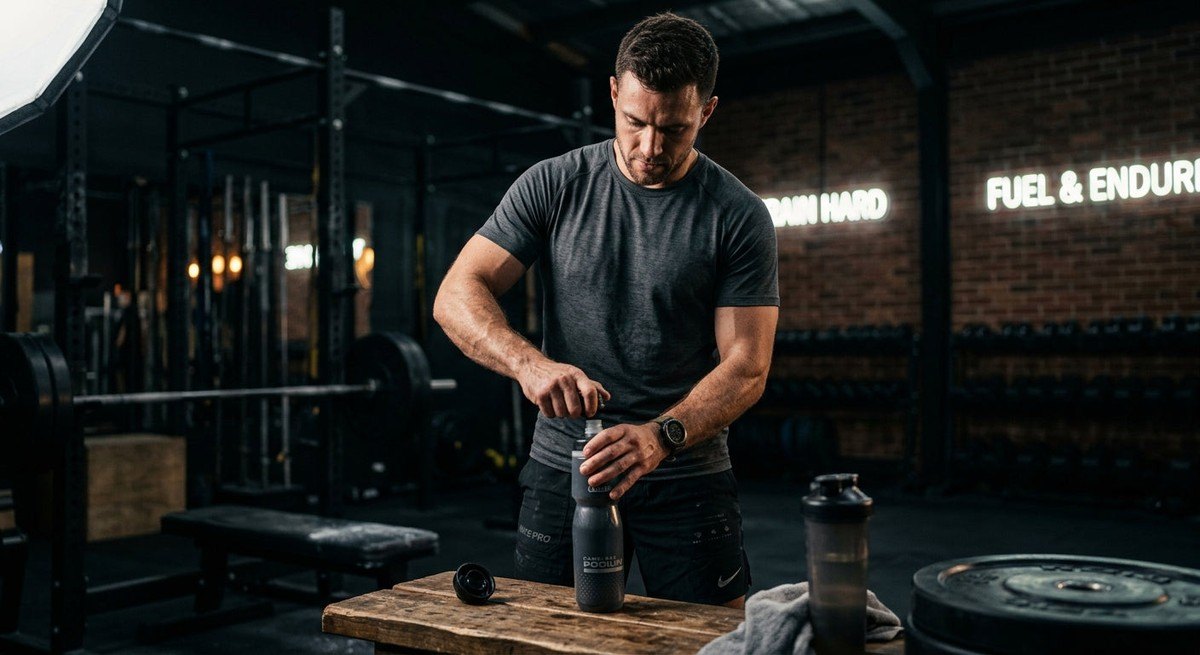
Do not wait until the race day to test your hydration strategy. Use your simulation training sessions to mimic the arena environment. If you are training in a dry climate, consider using a sauna or a heated gym space to induce higher sweat rates. Test different sodium concentrations to find the 'sweet spot' where you feel hydrated but not bloated. Precision is earned in the training centre, not found on the race day floor.
The Future of Performance Nutrition
As sports science continues to evolve, we are moving toward a future of personalised hydration. Sweat testing kits that measure your specific sodium loss are becoming more accessible. By understanding your unique biological profile, you can shift from general guidelines to a bespoke strategy that accounts for your body’s specific response to the oppressive humidity of an arena. The science is clear: those who manage their internal and external environment with the most precision will dominate the podium.


