

Female Triathlete Nutrition: Adapting Fuelling to the Menstrual Cycle


Want to build strength to support your running?
Get targeted strength routines and mobility exercises designed specifically for runners directly on-site. Try asking Raye: 'What are 3 key gym exercises to improve running economy?' Get strength tips
The Physiological Landscape of the Female Triathlete
For decades, sports nutrition research has predominantly featured male subjects, leaving female endurance athletes to extrapolate data that rarely accounts for the complex hormonal fluctuations of the menstrual cycle. As the participation rate of women in triathlon continues to surge, the necessity for sex-specific fuelling strategies has moved from a niche interest to a performance imperative. The interplay between oestrogen and progesterone dictates more than just reproductive health; it fundamentally alters substrate utilisation, thermoregulation, and muscle recovery.
The menstrual cycle is generally categorised into two primary phases: the follicular phase, which begins on the first day of menstruation, and the luteal phase, which follows ovulation. Understanding how these phases influence your metabolic engine is the first step toward achieving a new personal best on the course.
The Follicular Phase: A Window for Intensity
During the early follicular phase, oestrogen and progesterone levels are at their nadir. As the body transitions through this stage, oestrogen levels begin to rise. This hormonal profile is remarkably favourable for high-intensity training. Research suggests that during this phase, women are more insulin sensitive and better equipped to utilise glycogen as a primary fuel source, making it the ideal time to prioritise threshold sessions and interval training.
The Luteal Phase: The Metabolic Shift
Post-ovulation, the luteal phase is characterised by a dominant rise in progesterone, which has a catabolic effect on muscle protein and an thermogenic effect on core body temperature. During this time, the body tends to rely more heavily on lipid oxidation and may experience a reduction in glycogen storage capacity. For the triathlete, this means that nutritional strategies must pivot to maintain power output during long, steady-state endurance efforts.
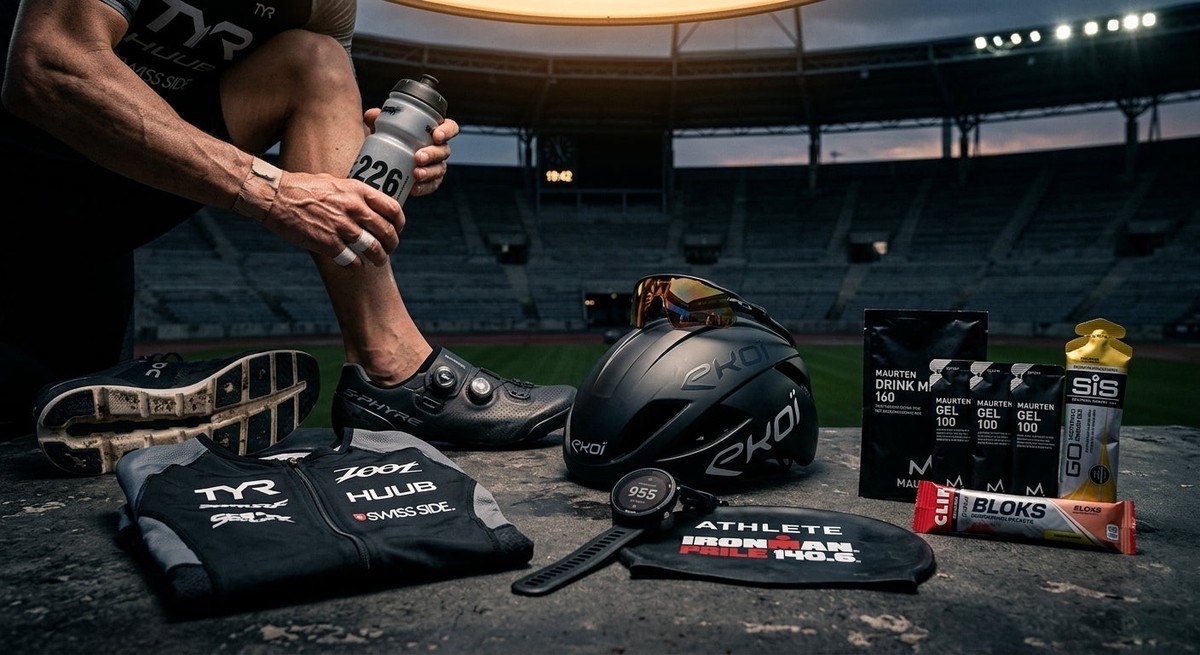
How much improvement can I expect?
While individual responses vary, athletes who synchronise their nutrition with their cycle report significant improvements in perceived exertion and recovery speed. By front-loading carbohydrates during the luteal phase to compensate for decreased glycogen availability, many triathletes avoid the dreaded late-race 'wall'. Optimising intake during the follicular phase can lead to a 5-10% improvement in time-trial performance, primarily due to better glycogen sparing and reduced metabolic stress.
Other Benefits
Beyond pure speed, cycle-syncing nutrition acts as a safeguard against the Relative Energy Deficiency in Sport (RED-S) syndrome. By ensuring adequate caloric intake during the luteal phase, when basal metabolic rate naturally increases, athletes can better regulate their hormonal health, support bone density, and ensure consistent training adaptation. Furthermore, strategic hydration to combat the luteal-phase rise in core temperature can significantly mitigate the risk of heat-related performance decline.

Have a specific performance goal in mind?
Get direct feedback on your training targets right here on the page—no sign-up or account required. Try asking Raye: 'How should I adjust my weekly mileage for a sub-20 minute 5K?' Ask about your goals
Top 5 Core Features
- Glycogen Optimisation: Prioritising carbohydrate intake during the follicular phase to fuel high-intensity efforts.
- Progesterone Mitigation: Increasing protein intake during the luteal phase to counteract catabolic hormonal effects.
- Thermogenic Hydration: Adjusting electrolyte and fluid protocols to manage increased core temperatures during the mid-luteal phase.
- Metabolic Flexibility: Training the body to transition between lipid and glycogen oxidation based on hormonal states.
- Hormonal Recovery: Ensuring sufficient energy availability to preserve endocrine function and long-term athletic longevity.
Identifying high-quality nutritional support requires looking beyond generic sports drinks. Seek formulations that offer precise carbohydrate-to-electrolyte ratios, ensuring that your supplements are backed by third-party testing for purity and efficacy. Quality products should not rely on excessive caffeine or fillers but rather provide clean, consistent energy sources that can be titrated based on your specific training block.
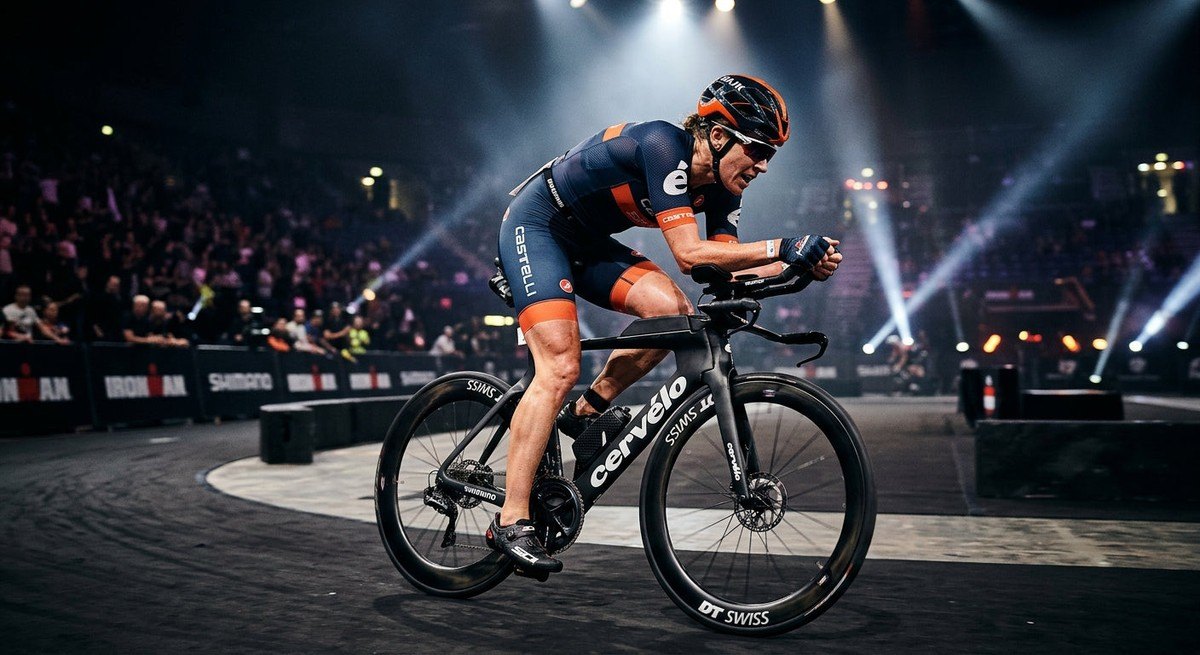
Ultimately, the goal is to stop fighting your biology and start working with it. By tracking your cycle and adjusting your nutrition, you are not merely fuelling for the next session; you are building a more resilient, efficient, and powerful version of yourself.
As you refine your approach, keep a detailed training log that correlates your cycle phase with your power output and subjective recovery markers. Over the course of three to four months, the patterns will emerge, providing you with a bespoke nutritional blueprint that is as unique as your own physiology.


