

Female Hybrid Athlete Nutrition: Balancing Luteal Muscle Protein Breakdown with Hypertrophy Goals


Dealing with a nagging injury or tightness?
Get instant recovery guidance, stretching protocols, and rest advice right now without leaving the site. Try asking Raye: 'What are the best stretches to relieve tight calves after a long run?' Get recovery advice
The Physiological Challenge of the Luteal Phase
For the female hybrid athlete, the menstrual cycle is not merely a background process but a primary variable in performance capacity. During the luteal phase—the period following ovulation and preceding menstruation—the body experiences a significant rise in progesterone and a fluctuating oestrogen profile. This hormonal shift creates a catabolic environment that can challenge even the most disciplined training regimen.
Research indicates that during this phase, the body’s resting metabolic rate increases, and there is a documented rise in muscle protein breakdown (MPB). For those juggling heavy compound lifts with endurance sessions, this period represents a precarious tightrope walk between maintaining lean mass and sustaining aerobic output. Understanding the biochemical shift is the first step toward reclaiming your gains.
The Leucine Threshold and MPS
To counteract the heightened catabolic state, one must prioritise the stimulation of muscle protein synthesis (MPS). The primary trigger for MPS is the branched-chain amino acid leucine. During the luteal phase, systemic sensitivity to amino acids may decrease, necessitating a more precise approach to protein intake.
Athletes should aim for a leucine threshold of approximately 2.5 to 3.0 grams per meal to effectively signal the mTOR pathway, the body’s primary regulator of muscle growth. By ensuring every protein-rich meal meets this specific threshold, you provide the necessary structural building blocks to mitigate the muscle-wasting effects of elevated progesterone.
Timing Intra-Workout Amino Acids
On dual-strain days—where a morning track session is coupled with an evening hypertrophy session—the risk of muscle degradation is at its peak. Intra-workout supplementation of essential amino acids (EAAs) serves as a critical buffer during these high-demand periods.
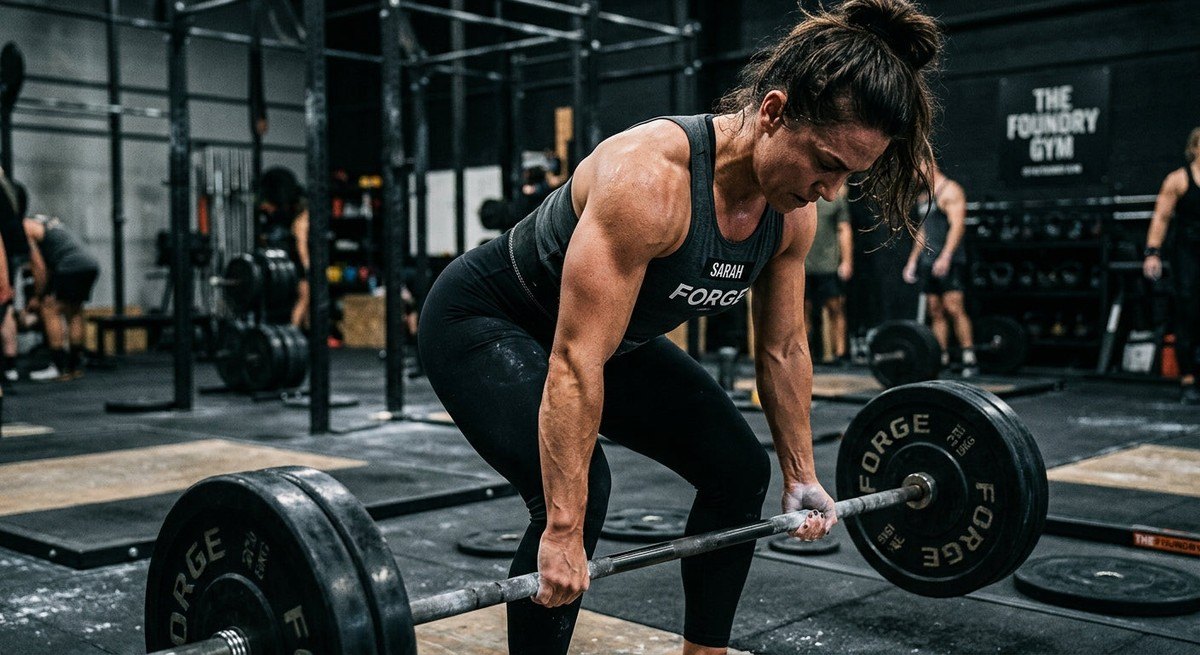
Consuming a high-quality EAA blend during your training session helps maintain a positive nitrogen balance in the blood, preventing the body from resorting to muscle tissue for fuel. This strategy is particularly effective for hybrid athletes who find that their recovery capacity wanes as they approach the onset of their cycle.
How much improvement can I expect?
By implementing a strategic nutritional framework, athletes often report a stabilisation in energy levels and a reduction in the 'heavy-legged' feeling common during the luteal phase. While results vary, those who consistently hit their leucine targets and utilise intra-workout EAAs typically observe a 10-15% improvement in recovery markers within two cycles.

Have a quick training or recovery question?
Get fast expert advice right here on the page—no sign-up, account, or app needed. Try asking Raye: 'What's the best way to relieve tight calves after a run?' Ask a question now
Furthermore, managing the catabolic shift allows for more consistent intensity in the weight room. You are not just preserving muscle; you are ensuring that your hypertrophy goals remain on an upward trajectory despite the inherent physiological hurdles of your cycle.
Top 5 Core Features
- Leucine-Rich Protein Loading: Prioritising 3g of leucine per meal to activate the mTOR pathway.
- Intra-Workout EAA Buffering: Protecting muscle fibres from catabolism during dual-strain training days.
- Performance-Driven Apparel: Utilising moisture-wicking gym leggings and cross-training shorts for optimal range of motion.
- Breathable Technical Tees: Ensuring thermoregulation during intense endurance bursts.
- Hormonal-Sync Periodisation: Adjusting macro-nutrient intake to match the body’s fluctuating metabolic demand.
Other Benefits
Beyond muscle retention, this nutritional precision enhances overall metabolic health. Stabilising blood glucose through balanced amino acid intake can alleviate some of the mood fluctuations and food cravings associated with the luteal phase. This creates a psychological advantage, allowing for greater focus during training.
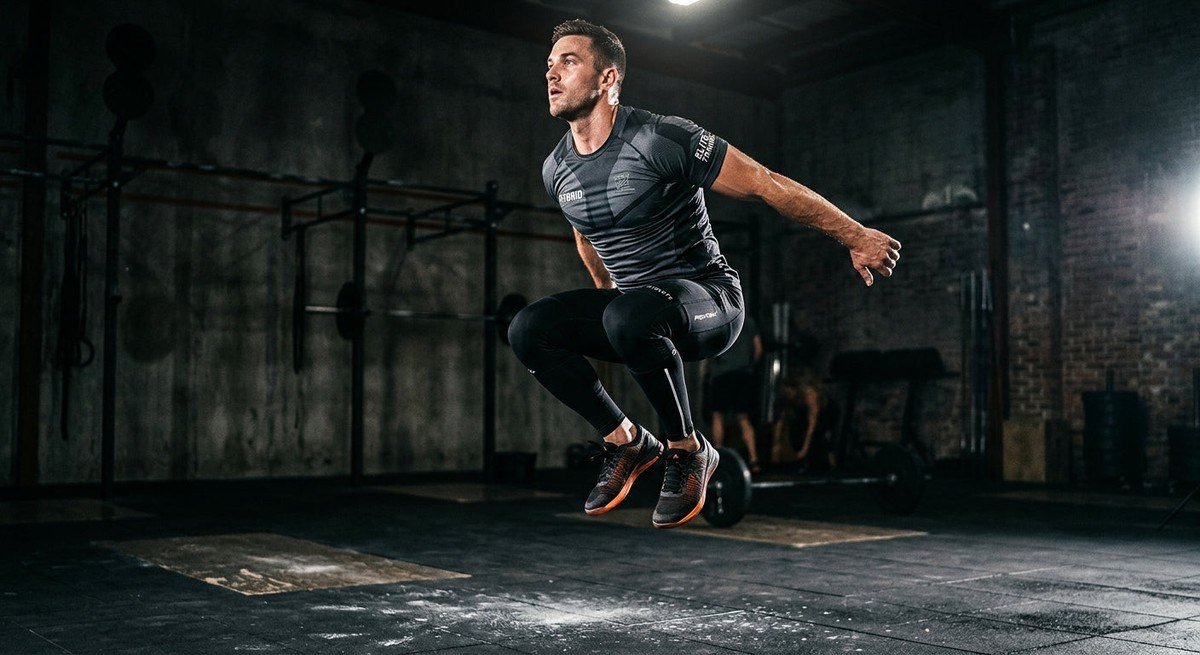
Pairing this nutritional approach with high-performance gear is essential. When the body is under stress, the last thing you need is restrictive clothing. High-quality performance tees and durable gym leggings allow for the fluid, explosive movements required in hybrid training, ensuring your focus remains entirely on your biomechanical output.
Ultimately, the hybrid athlete who masters this balance transforms a period of potential weakness into a testament to their physiological resilience. By viewing nutrition as an active tool rather than a passive habit, you can continue to push the boundaries of strength and endurance, regardless of where you are in your cycle.


