

Continuous Glucose Monitors (CGMs) in Cycling Training


Planning your next fitness milestone?
Get immediate guidance on pacing, workout structure, or race prep directly on-site for free. Try asking Raye: 'Can you outline a simple 4-week build plan for a 10K?' Get instant guidance
The Metabolic Revolution in Cycling
The landscape of professional and amateur cycling is undergoing a radical shift, moving away from subjective 'feel' and towards the absolute precision of real-time metabolic monitoring. Continuous Glucose Monitors (CGMs), once the exclusive domain of clinical diabetes management, have emerged as the ultimate biohacking tool for endurance athletes. By providing a minute-by-minute window into blood glucose dynamics, cyclists can now decode the complex relationship between fuel intake, intensity, and physiological output.
At its core, a CGM consists of a small, subcutaneous sensor that measures interstitial fluid glucose levels. Unlike the traditional finger-prick method, which offers only a static snapshot, the CGM provides a continuous data stream. For the cyclist, this means observing the immediate impact of a gel, a drink mix, or a high-intensity interval effort on internal fuel availability, effectively removing the guesswork from race-day nutrition.
The biological mechanism relies on glucose oxidase technology. When glucose enters the interstitial fluid, it triggers an electrochemical reaction, creating an electrical current proportional to the glucose concentration. This signal is transmitted via Bluetooth to a smartphone application, allowing riders to visualise their 'metabolic fuel gauge' during long training rides or gruelling climbs.
How much improvement can I expect?
The performance gains derived from CGM integration are rarely overnight miracles, but rather the result of cumulative optimisation. By fine-tuning carbohydrate intake to match specific metabolic demands, riders can expect to see a significant reduction in 'bonking' or hypoglycaemic episodes. Data indicates that athletes who utilise CGMs can maintain higher average wattages for longer durations by keeping their glucose levels within the optimal aerobic zone.
Furthermore, the data allows for precise 'refuelling windows'. Instead of consuming calories on a fixed timer, cyclists can feed based on their actual rate of glucose depletion. This level of granular control can increase time-to-exhaustion by as much as 15% in elite cohorts, as the body is kept in a state of consistent energy availability rather than experiencing the volatility of blood sugar spikes and crashes.
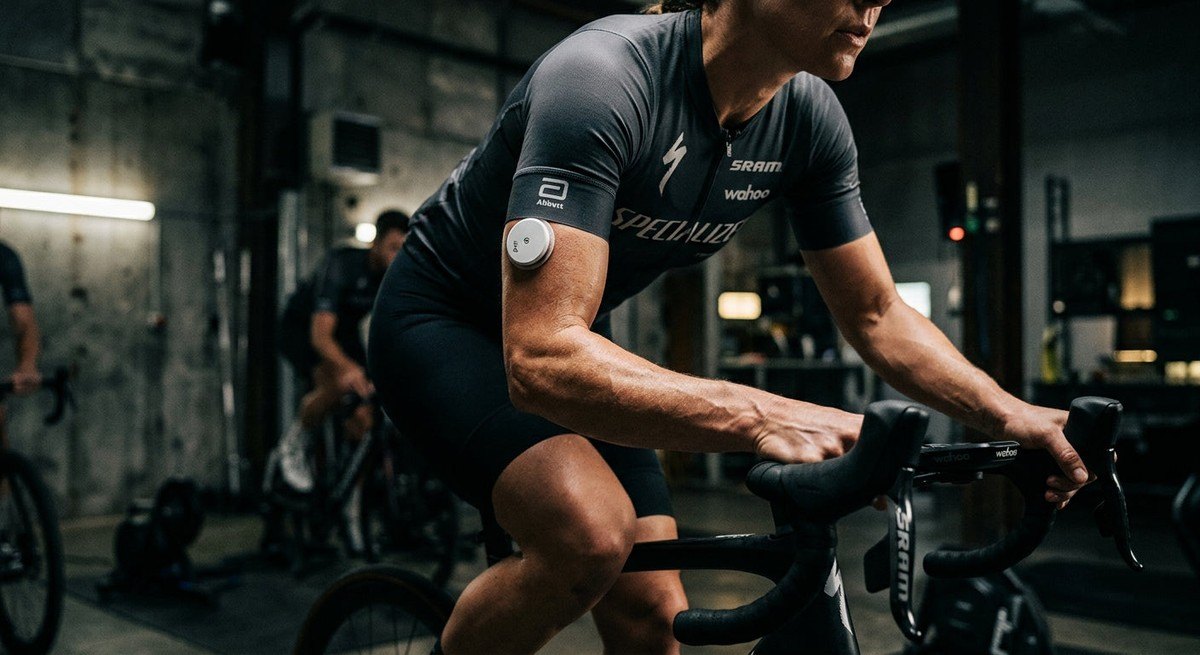
Identifying high-quality CGM systems requires looking for sensors with minimal latency and robust data-syncing capabilities. The industry standard currently favours devices that integrate seamlessly with cycling computers such as Garmin or Wahoo, ensuring the athlete can monitor their glucose levels alongside power, heart rate, and cadence in one central interface.

Looking to shave time off your personal best?
Get immediate pacing strategies and interval workout ideas directly on-site for free. Try asking Raye: 'What is the best threshold session to help drop my 10K time?' Get instant pacing tips
Top 5 Core Features
- Real-time Metabolic Feedback: Instant visibility into how specific carbohydrate types impact your blood sugar levels during exertion.
- Hypoglycaemia Prevention: Early detection of falling glucose levels, allowing for proactive refuelling before performance degradation occurs.
- Individualised Nutrition Protocols: Tailoring your intake to your unique metabolic rate, rather than following generic 'grams per hour' guidelines.
- Recovery Optimisation: Monitoring post-ride glucose responses to ensure efficient glycogen replenishment and reduced systemic inflammation.
- Integration Ecosystem: Seamless synchronisation with existing training platforms and head units for a consolidated view of athletic performance.
Other Benefits
Beyond the immediate performance metrics, CGMs offer profound insights into long-term metabolic health. By observing how the body responds to different food sources during recovery, cyclists can better manage their overall dietary composition. This awareness often leads to improved insulin sensitivity and more stable energy levels throughout the day, far beyond the confines of the bike.
The psychological benefit of 'data-driven confidence' cannot be overstated. Knowing exactly how your body reacts to a specific energy gel under race conditions removes the anxiety associated with mid-event fuelling. It shifts the focus from 'hoping for the best' to executing a scientifically validated nutrition strategy, which is often the decisive factor in competitive cycling environments.
However, it is crucial to interpret this data with professional oversight. A CGM is a tool for pattern recognition, not a replacement for fundamental training principles. The most successful cyclists use the data to validate their training load and recovery cycles, ensuring their nutrition supports the intense physical stress imposed on the body.
As the market for these biohacking tools expands, we are seeing more sophisticated subscription services that provide automated analysis of the raw data. These services can highlight trends in glucose variability that the human eye might miss, offering actionable advice on everything from pre-race meal timing to the ideal composition of post-ride recovery drinks.
Ultimately, the adoption of CGM technology represents the professionalisation of the amateur experience. It narrows the gap between the weekend warrior and the WorldTour professional, providing an objective metric that was previously unavailable. In the pursuit of marginal gains, this technology is arguably the most impactful advancement in endurance sports nutrition of the current decade.
Whether you are preparing for a gran fondo or simply looking to optimise your daily training, the insight provided by a CGM is unparalleled. By prioritising metabolic data, you are not just riding faster; you are training smarter, ensuring that every pedal stroke is supported by an efficient and precisely managed energy supply.


