

Coenzyme Q10 and PQQ: Dual Stacking for Mitochondrial Electron Transport in Cyclists


Trying to beat your local Strava segment goals?
Fine-tune your training strategies to hit your target stats without downloading another app. Try asking Raye: 'How can I structure hill repeats to build short-segment power?' Ask how to hit your target
The Bio-Energetic Foundation of Cycling Performance
For the competitive road cyclist or time-trial specialist, performance is ultimately a game of mitochondrial efficiency. Every watt pushed through the crankset is the result of Adenosine Triphosphate (ATP) generation within the mitochondria, the cellular powerhouses that drive muscular contraction. As athletes push into the red zone during high-intensity intervals or sustained climbs, the demand for ATP accelerates, placing immense strain on the mitochondrial electron transport chain (ETC).
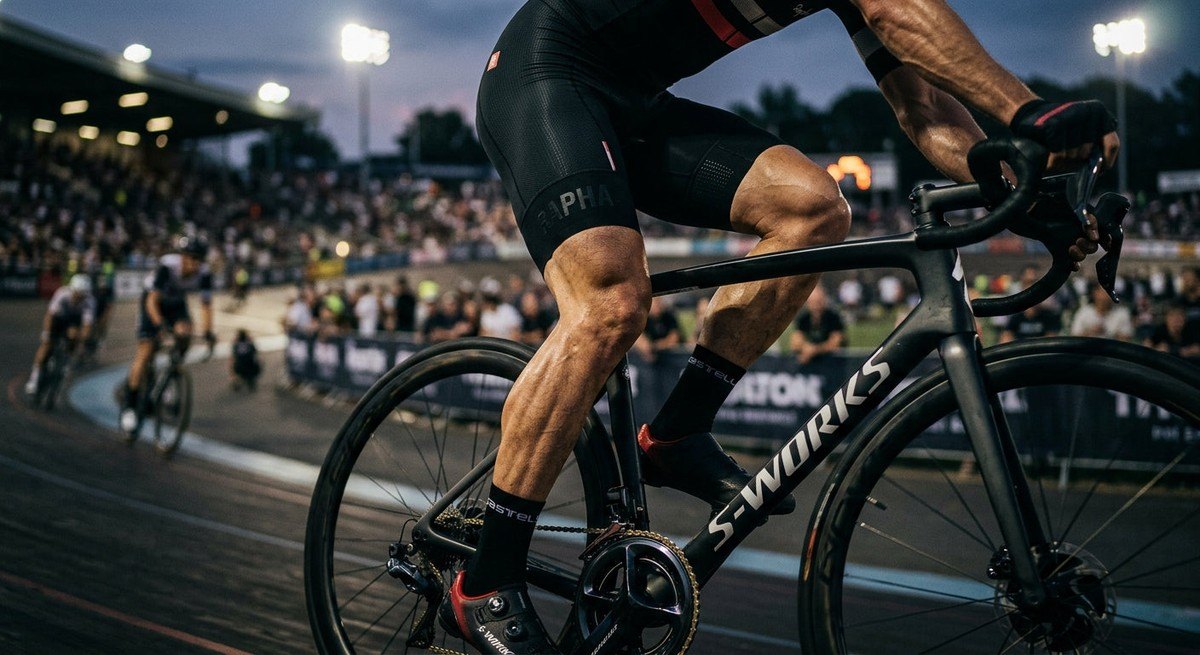
The integration of Coenzyme Q10 (CoQ10) and Pyrroloquinoline Quinone (PQQ) represents a sophisticated, evidence-based strategy to fortify this metabolic infrastructure. While cycling gear such as aerodynamic helmets, stiff-soled carbon shoes, and high-compression bib shorts are essential for reducing drag and mechanical loss, the engine inside the cyclist—the mitochondria—requires its own form of precision tuning.
The Mechanism of CoQ10 and PQQ Synergy
Coenzyme Q10, or ubiquinone, is a lipid-soluble benzoquinone that serves as a vital electron carrier within the ETC. It facilitates the movement of electrons from complex I and II to complex III, a rate-limiting step in the production of cellular energy. Without sufficient CoQ10, the efficiency of ATP synthesis drops, leading to premature fatigue and diminished power output during long-distance efforts.
PQQ acts as a complementary redox cofactor. Its primary distinction is its capacity to stimulate mitochondrial biogenesis—the growth of entirely new mitochondria—via the activation of the PGC-1alpha pathway. By stacking PQQ with CoQ10, cyclists are not only optimising the efficiency of their existing mitochondrial pool but are also increasing the total mitochondrial density within their type-I and type-IIa muscle fibres.
How much improvement can I expect?
Clinical data suggests that consistent supplementation can improve sub-maximal exercise capacity by mitigating the oxidative stress that typically degrades mitochondrial membranes during intense training blocks. For the time-trialist, this translates to a more stable power profile toward the end of a race, where the 'burn' of metabolic byproducts is usually most pronounced.
While improvements in VO2 max are often incremental, the real-world performance gains are observed in the maintenance of threshold power. Studies have indicated that users often report a reduction in perceived exertion at specific wattage outputs, effectively allowing the athlete to sustain higher speeds for longer durations before reaching the point of metabolic failure.

Hit a wall with form, pacing, or fatigue?
Skip searching forums. Chat directly on this page with our performance coach to solve training issues in seconds: 'How do I prevent side stitches on long runs?' Troubleshoot your run
Top 5 Core Features
- Enhanced ATP Synthesis: CoQ10 facilitates seamless electron flow, ensuring maximum energy yield per breath.
- Mitochondrial Biogenesis: PQQ triggers the proliferation of new mitochondria, increasing overall aerobic capacity.
- Oxidative Stress Mitigation: Both compounds act as potent antioxidants, protecting the ETC from damage during high-intensity training.
- Improved Recovery Kinetics: By supporting mitochondrial repair, the stack accelerates the clearance of metabolic waste between training sessions.
- Cognitive Clarity: Improved cerebral blood flow and mitochondrial function contribute to heightened focus during technical descents and tactical manoeuvres.
Other Benefits
Beyond the immediate energetic demands of the bike, this dual-stack approach offers systemic cardiovascular benefits. CoQ10 is well-documented for its role in maintaining arterial elasticity and supporting endothelium function, which is critical for the peripheral circulation required to perfuse working muscles during a heavy training load. By ensuring that the cardiovascular system is operating at peak efficiency, the athlete can better manage the thermoregulatory demands of racing in hot, humid conditions.
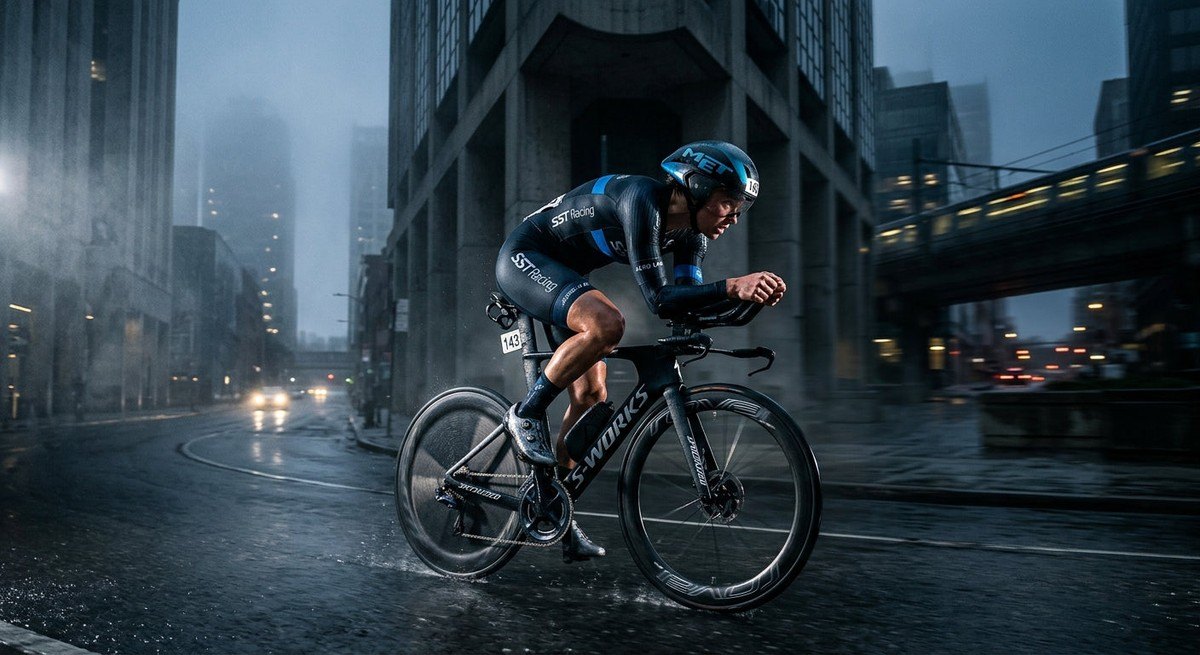
Furthermore, the anti-inflammatory properties of PQQ have shown potential in systemic recovery. For the athlete who demands consistent performance day after day, reducing systemic inflammation is as important as the training itself. When paired with high-quality performance apparel—like bib shorts designed to reduce friction and aero helmets that minimise cervical fatigue—the metabolic support provided by CoQ10 and PQQ completes the holistic performance picture.
When selecting a formulation, prioritise ubiquinol over ubiquinone, as the former demonstrates significantly higher bioavailability. Ensure the PQQ is sourced from high-purity fermentation processes to guarantee the structural integrity of the molecule. Look for products that utilise lipid-based delivery systems, as these compounds require dietary fats for optimal intestinal absorption.
In conclusion, the intersection of cutting-edge cycling technology and advanced cellular supplementation is where modern records are broken. By treating the mitochondrial electron transport chain with the same level of analytical rigour applied to wind-tunnel testing and power-meter data, the modern cyclist can unlock a new tier of bio-energetic potential.


