

Understanding the Impact Resistance of Polycarbonate Lenses


Trying to beat your local Strava segment goals?
Fine-tune your training strategies to hit your target stats without downloading another app. Try asking Raye: 'How can I structure hill repeats to build short-segment power?' Ask how to hit your target
Why Your Eyes Need a Shield
If you are anything like me, your training sessions are where you feel most alive. Whether you are sprinting on a track, cycling through rugged terrain, or lifting heavy in a high-intensity gym, you are constantly pushing your physical limits. However, one aspect of performance that often gets overlooked is eye safety. I have seen far too many athletes suffer from preventable debris-related injuries. That is why I have become a massive advocate for polycarbonate lenses. They are not just an accessory; they are a critical piece of your kit.
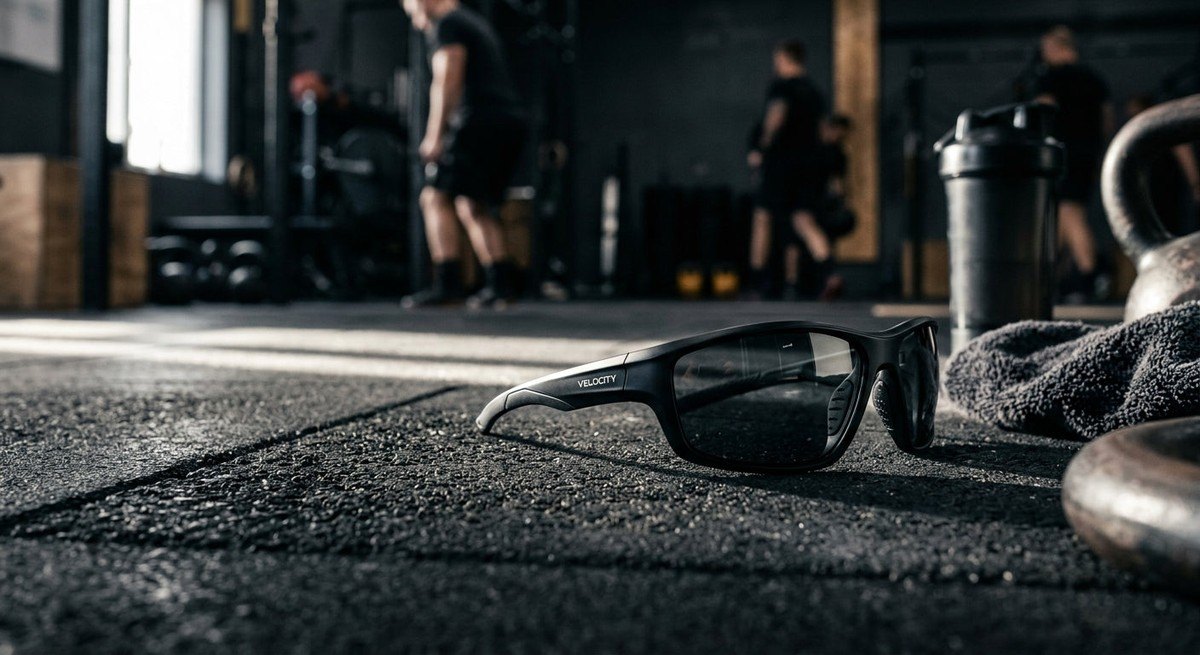
Polycarbonate is a unique thermoplastic material known for its incredible strength-to-weight ratio. Unlike standard optical plastic or glass, which can shatter upon a high-velocity impact, polycarbonate is engineered to deform rather than break. This makes it the absolute gold standard for any sport where impact risk is a reality. When you wear these, you are essentially putting a bulletproof barrier between your eyes and the unpredictable elements of your environment.
Step by Step Starting Out
Starting out with protective eyewear is simpler than you might think. First, prioritise a pair that features a wraparound design. This ensures that you have peripheral coverage, preventing dust, grit, or stray equipment from entering the sides of your vision. Once you have identified a frame style that fits your facial structure, check the safety rating. You want lenses that meet the high-velocity impact standards for your specific sport.
Next, consider the lens tint. For outdoor runners or cyclists, a photochromic lens is a game-changer. These lenses automatically adjust their level of darkness based on the ambient light conditions. This means you do not have to swap your glasses during a long session when the clouds roll in or the sun hits its peak. Consistency is the key to maintaining focus, and these lenses allow you to keep your eyes on the prize without fiddling with your gear.
Finally, ensure the fit is snug but comfortable. If they are too loose, they will bounce during your high-intensity movements, which is a major distraction. If they are too tight, you will end up with pressure marks at the temples. Take the time to adjust the nose pads and ear socks properly. A perfect fit is one you eventually forget you are wearing, allowing you to fully immerse yourself in your workout.

How to Build this into my life
Integrating protective eyewear into your daily routine is all about habit stacking. Keep your glasses in a dedicated, high-visibility case right next to your trainers. If you see them every time you lace up, you are far more likely to put them on before you even step out the door. Treat your eyewear with the same level of importance as you treat your pre-workout nutrition or your warm-up stretches.

Hit a wall with form, pacing, or fatigue?
Skip searching forums. Chat directly on this page with our performance coach to solve training issues in seconds: 'How do I prevent side stitches on long runs?' Troubleshoot your run
I personally make it a rule never to start a high-intensity session without my protective lenses. By making this a non-negotiable part of my routine, I have eliminated the stress of worrying about eye injuries. Whether it is a windy day at the track or a dusty afternoon on the trails, I know my vision is protected. You might find it helpful to keep a secondary pair in your gym bag as a backup, just in case you forget your primary set.
Remember that maintenance is part of the build. After every session, rinse your lenses with lukewarm water and a mild, neutral soap. Avoid using your shirt or a rough towel, as this can create micro-scratches over time. Use a dedicated microfibre cloth to gently buff them dry. This small effort extends the life of your lenses and ensures your vision remains crystal clear for every training session.
Essential Kit
Beyond the lenses themselves, your essential kit should include a hard-shell protective case, a microfibre cleaning cloth, and perhaps a neck strap if you are doing particularly vigorous movement. These items protect your investment when you are not using them. Investing in quality gear is a form of self-care; it shows you respect your body enough to protect your most vital sensory organ.
If you wear prescription glasses, look for brands that offer custom polycarbonate inserts. You do not have to sacrifice clarity for safety. Modern technology allows for high-index polycarbonate prescriptions that are lightweight and virtually indestructible. Consult with your optician to find the right balance of protection and visual acuity tailored to your specific needs.
Lastly, pay attention to the ventilation of your frames. High-intensity training generates heat and sweat, which can lead to fogging. Look for frames with anti-fog coatings or integrated airflow channels. These features make a massive difference during those gruelling sessions where you are really pushing your heart rate. Stay safe, stay focused, and keep pushing those boundaries.
10 alternative items to try
- Oakley Radar EV Path: These are a classic for a reason. They offer an extended field of view in the upper peripheral region, which is ideal for cyclists. The polycarbonate lenses are exceptionally durable, and the ventilation ports prevent fogging during high-exertion climbs. They feel incredibly light on the face, almost as if they are part of your skin.
- Smith Optics Attack MTB: Designed specifically for mountain biking, these lenses provide incredible clarity and impact protection. They feature a unique magnetic lens-change system, which makes switching tints a breeze. The frame is robust enough to handle crashes while remaining lightweight, making them a top-tier choice for any serious off-road enthusiast.
- Bolle Shifter: These glasses combine a retro aesthetic with modern lens technology. The polycarbonate lenses are treated with an anti-fog and anti-scratch coating that is remarkably resilient. I love how they fit securely during long runs. They offer a very stable platform, meaning you rarely have to adjust them, even when you are sweating profusely.
- Tifosi Sledge: If you want maximum coverage, the Sledge is an excellent option. The massive lens provides a barrier that keeps out wind, dust, and debris. They are highly customisable, with adjustable nose and ear pieces, ensuring they stay put during intense sprints. They are a fantastic value for the level of protection they provide.
- Rudy Project Defender: These are built for the most demanding athletes. The bumpers at the bottom of the lens add an extra layer of protection for your face in the event of an impact. The airflow system is one of the best I have tested, keeping your vision clear even during the most humid, intense workouts.
- Julbo Aero: Specifically designed for endurance athletes, these glasses are incredibly light. The lenses are photochromic, adapting to changing light conditions instantly. They are designed to stay perfectly in place on your face, whether you are running a marathon or cycling up a mountain pass. The ventilation is superb, preventing any heat build-up.
- 100% Speedcraft: These are favoured by professional cyclists for their high-quality polycarbonate lenses. The wrap-around design provides excellent protection against debris. They look sharp and feel incredibly secure. The lens clarity is top-notch, allowing you to spot hazards on the road with precision. They are a bold, functional choice for any athlete.
- POC Aspire: These glasses are designed with a focus on style and safety. The polycarbonate lenses are optimized for contrast, helping you see details on the road or trail more clearly. They are lightweight and durable, making them perfect for all-day wear. The frame design is minimalist yet highly effective at protecting your eyes from flying debris.
- Shimano S-Phyre X: These are designed for ultimate performance. The lens is a single-piece polycarbonate construction that offers a wide field of vision. The frame is adjustable, allowing for a tailored fit. They are very lightweight and provide excellent protection against wind and grit. A great choice for those who value precision engineering and reliable safety.
- Goodr Wrap Gs: If you want something affordable yet effective, these are a fun option. They provide decent impact protection and have a quirky, stylish design. While they might not be as high-tech as some of the others on this list, they are perfect for casual athletes who need basic eye protection for their daily runs.
