

The Ultimate Guide to Finding Your Face Shape for Sports Frames


Want to build strength to support your running?
Get targeted strength routines and mobility exercises designed specifically for runners directly on-site. Try asking Raye: 'What are 3 key gym exercises to improve running economy?' Get strength tips
Step by Step Starting Out
Listen, we’ve all been there. You’re halfway through a gruelling cycle or hitting a personal best on the track, and your sunglasses decide to stage a coup. They’re sliding down your nose, pinching your temples, or fogging up just when you need to focus on your path. It’s not just annoying; it’s a distraction that messes with your flow. Finding the perfect sports frame starts with a bit of honest self-analysis: your face shape.
First, grab a mirror and a bit of window soap or a dry-erase marker. Pull your hair back—yes, even if it looks a bit silly—and trace the outline of your face directly onto the mirror. Step back and look at the shape you’ve drawn. Does it have a strong, square jaw? Is it rounded with soft curves? Or perhaps it’s long and oval? Identifying this is the absolute foundation of getting a frame that doesn’t just look good, but stays put during high-intensity movement.
For those with a round face, the goal is to add structure. You want rectangular or squared-off frames to contrast with your soft facial curves. Avoid circular frames, as they’ll only accentuate the roundness. If you’re square-faced, do the opposite. You’ve got a strong jawline, so look for rounded or oval lenses to soften your features and provide balance.
If your face is oval, honestly, you’ve hit the jackpot. Most styles will suit you perfectly, so focus on the technical performance specs like grip and ventilation. Finally, for heart-shaped faces—those with a broader forehead and narrower chin—look for frames that are wider at the bottom or have rimless designs to avoid drawing too much attention to the upper portion of your face.
How to Build this into my life
Integrating the right eyewear into your training routine shouldn’t feel like a chore; it should feel like an upgrade. Once you’ve identified your shape, think about your ‘sporting environment’. If you’re a trail runner, you need frames that prioritise peripheral vision and have deep, wrap-around lenses to protect against debris. If you’re a golfer or cricketer, focus on lens clarity and high-contrast technology to track that ball against the sky or turf.
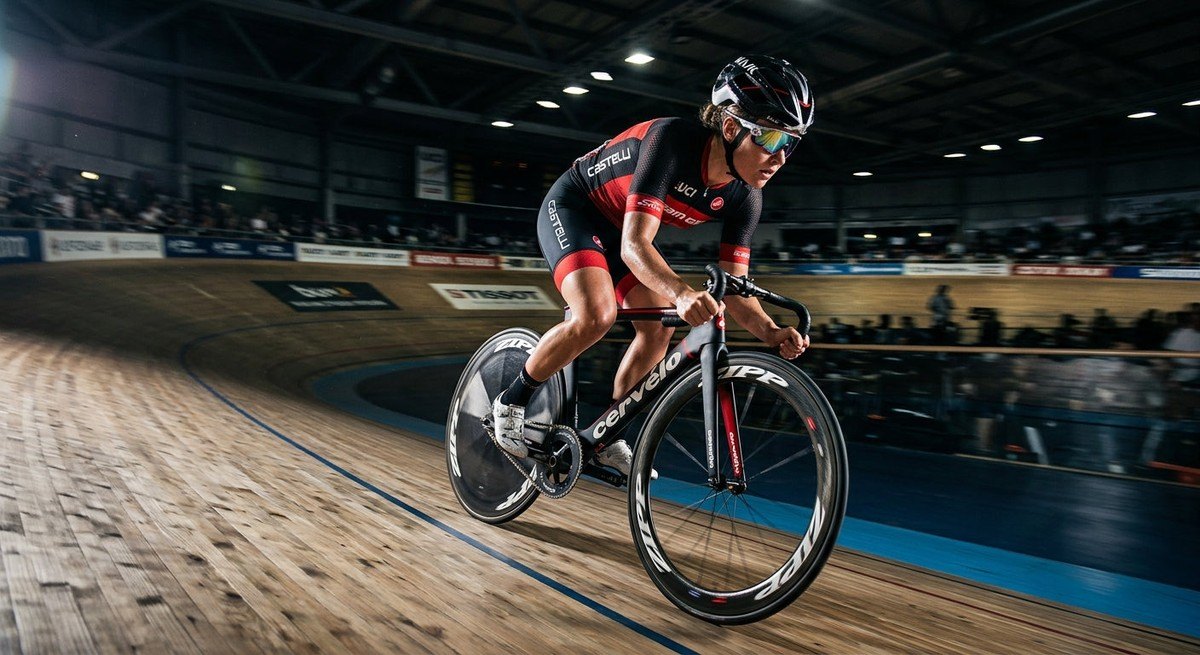
Building this into your lifestyle is about consistency. Don’t just wear your frames for the big race. Wear them during your warm-ups and standard cardio sessions. This allows you to ‘break in’ the fit. Just like your favourite running trainers, sports frames need to be adjusted to your unique facial contours. Ensure the rubberised nose pads are snug but not pinching, and the temple arms wrap comfortably around your ears without causing pressure headaches.

Have a specific performance goal in mind?
Get direct feedback on your training targets right here on the page—no sign-up or account required. Try asking Raye: 'How should I adjust my weekly mileage for a sub-20 minute 5K?' Ask about your goals
Don't be afraid to adjust. Most modern sports frames are engineered with adjustable components. Spend five minutes after your next workout tinkering with the arms or nose bridge. If they slide when you’re sweating, check if the grip material is still tacky. If it’s worn down, it might be time for a refresh. Consistency in maintenance—like a quick rinse after a salty, sweaty run—will keep your frames performing at their best for years.
It’s also worth considering the weight. In the heat of the moment, the last thing you want is a heavy frame weighing down the bridge of your nose. Aim for lightweight, high-performance materials like TR90 nylon or titanium. If you feel like you're wearing nothing at all, you've found the sweet spot.
Essential Kit
Your ‘essential kit’ isn’t just the sunglasses; it’s the supporting ecosystem. First, invest in a hard-shell protective case. It sounds basic, but tossing your £200 frames into a kit bag with your keys is a recipe for heartbreak. Always have a microfibre cloth handy, but ensure it’s clean. Dust and grit trapped in the cloth are the number one cause of micro-scratches on premium lenses.
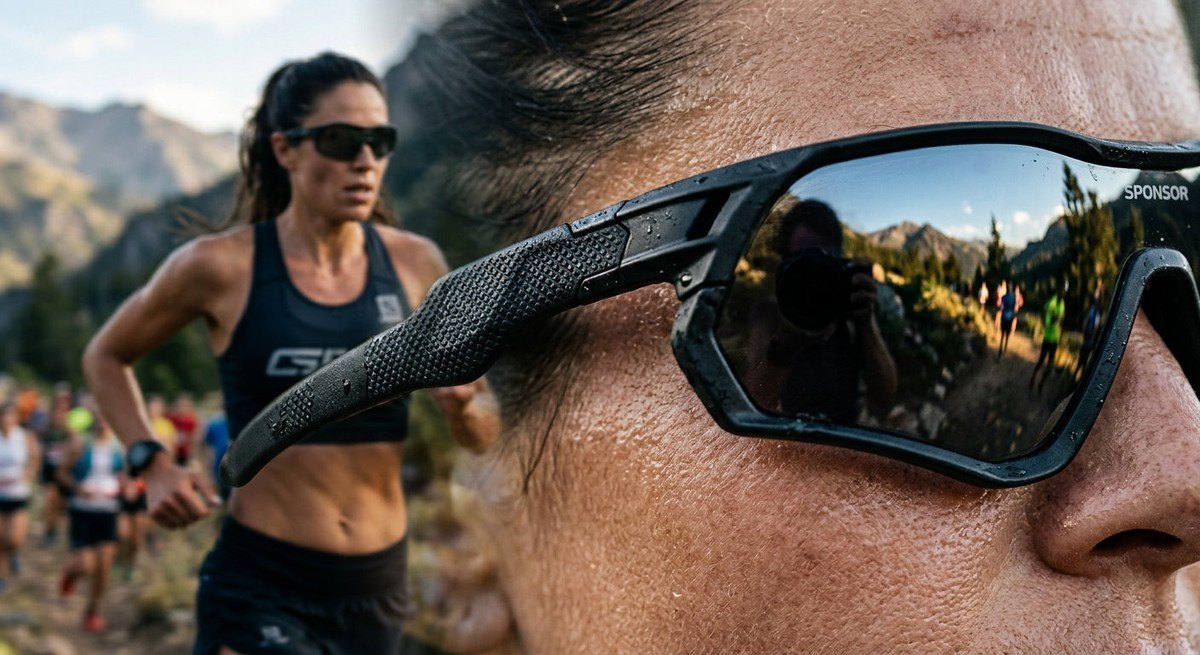
Consider the lens colour carefully as well. Grey lenses are neutral and great for everyday light, while rose or copper lenses can help enhance contrast, which is brilliant for seeing contours in the road or trail. Having a pair with interchangeable lenses can be a total game-changer, allowing you to swap from low-light conditions to bright, sun-drenched afternoons without needing a whole new set of frames.
Finally, remember that empathy for yourself is key. If you’ve bought a pair that doesn’t work, don’t force it. Your face shape, your sweat rate, and your sport are unique. Sometimes, it takes a few tries to find the perfect fit. Listen to your body—if the frames are giving you a headache or slipping constantly, it’s not you, it’s the fit. Move on, adjust, and keep pushing.
10 alternative items to try
- Oakley Radar EV Path: These are the gold standard for many elite athletes. The extended range of view in the upper peripheral region is perfect for cyclists who spend a lot of time in the drops. They provide incredible clarity and the frame geometry fits a wide variety of face shapes, offering a secure, stable fit.
- Smith Optics Attack MAG: The standout feature here is the magnet-based lens interchange system, which is faster and easier than any other on the market. It allows you to adapt to changing weather conditions in seconds. They are exceptionally lightweight and offer brilliant colour enhancement through their proprietary ChromaPop lens technology, which makes details really pop.
- 100% Speedcraft: If you want that bold, shield-style aesthetic that offers maximum coverage, these are the ones. They provide excellent ventilation to prevent fogging, which is essential during high-exertion workouts. The wrap-around design is particularly good for shielding your eyes from wind and dust, making them a top pick for mountain bikers and triathletes.
- Julbo Aero: Designed specifically for those who love endurance sports like trail running and mountaineering, these frames are incredibly light. They feature a unique suspension system that keeps them perfectly in place, even when you're moving at a high pace over uneven ground. The photochromic lenses automatically adjust to changing light conditions seamlessly.
- Tifosi Sledge: This is a fantastic value-for-money option for athletes who don't want to compromise on performance. The adjustable nose and ear pieces ensure a custom fit for almost any face shape. They are durable, have great ventilation slots to prevent fogging, and include multiple lenses in the box, giving you excellent versatility.
- Bollé Chronoshield: These frames offer a retro-inspired look with modern technical specs. They provide an incredibly wide field of vision, which is great for sports that require high spatial awareness. The adjustable nose pads and temple tips make them very comfortable for longer training sessions where you need a secure, non-slip fit all day.
- Rudy Project Tralyx: These are highly regarded for their airflow engineering, which makes them practically impossible to fog up. The frame design is minimalist yet highly durable, providing a very lightweight feel. They are a favourite among professional cyclists because they sit comfortably under a helmet without creating any pressure points on the sides of your head.
- Goodr Mach Gs: If you’re looking for something affordable for casual running or training, Goodr is the go-to. They are inexpensive but don't slip, thanks to the special grip coating on the frame. While they might not have the advanced optical engineering of professional racing frames, they are incredibly fun and do the job for everyday athletes.
- POC Do Blade: Developed specifically for road cycling, these frames provide optimal vision and protection. The frame is designed to be very flexible, which makes it durable during impacts. The tint is specifically optimised for road surfaces, helping you spot gravel or cracks earlier, which is a massive safety plus for any cyclist on a budget.
- Native Eyewear Dash XP: These are a great all-rounder for anyone who enjoys various outdoor activities. They are known for being very comfortable even after hours of wear. The frame is constructed from a lightweight, eco-friendly material, and the lenses provide excellent protection from UV rays. It’s a solid, reliable choice for athletes who need gear that lasts.


